Grange Cavern Military Museum - Wales
I came across old reports of this site dating back to as early as 2008, although I’m sure there are earlier ones. I located where I suspected it to still be and saved the pin for a couple of years, neglecting to give it the attention it deserved as I assumed it had either vanished or been cleared out and repurposed as underground storage by the landowner.
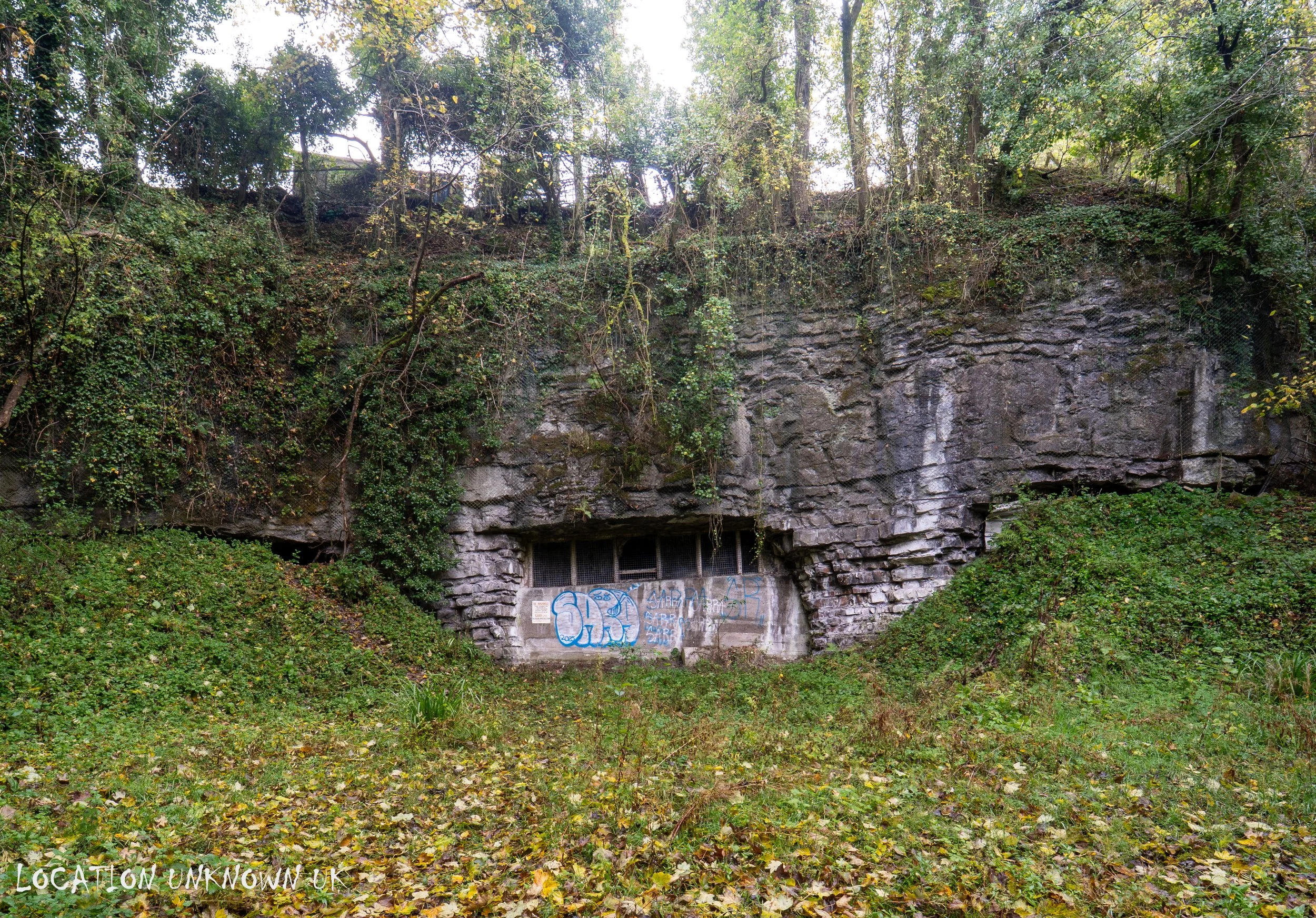
One morning, while heading over the border to check out a Welsh morgue with gronk, we decided to stop off on the way and settle our suspicions. We were pleasantly surprised to find it still there, and even being maintained to some degree, with a bat-access grille fitted to the former main entrance. This may be one reason the place remains dormant, given the exceptionally strong legal protections all 16 UK bat species have regarding disturbance to their roosts.
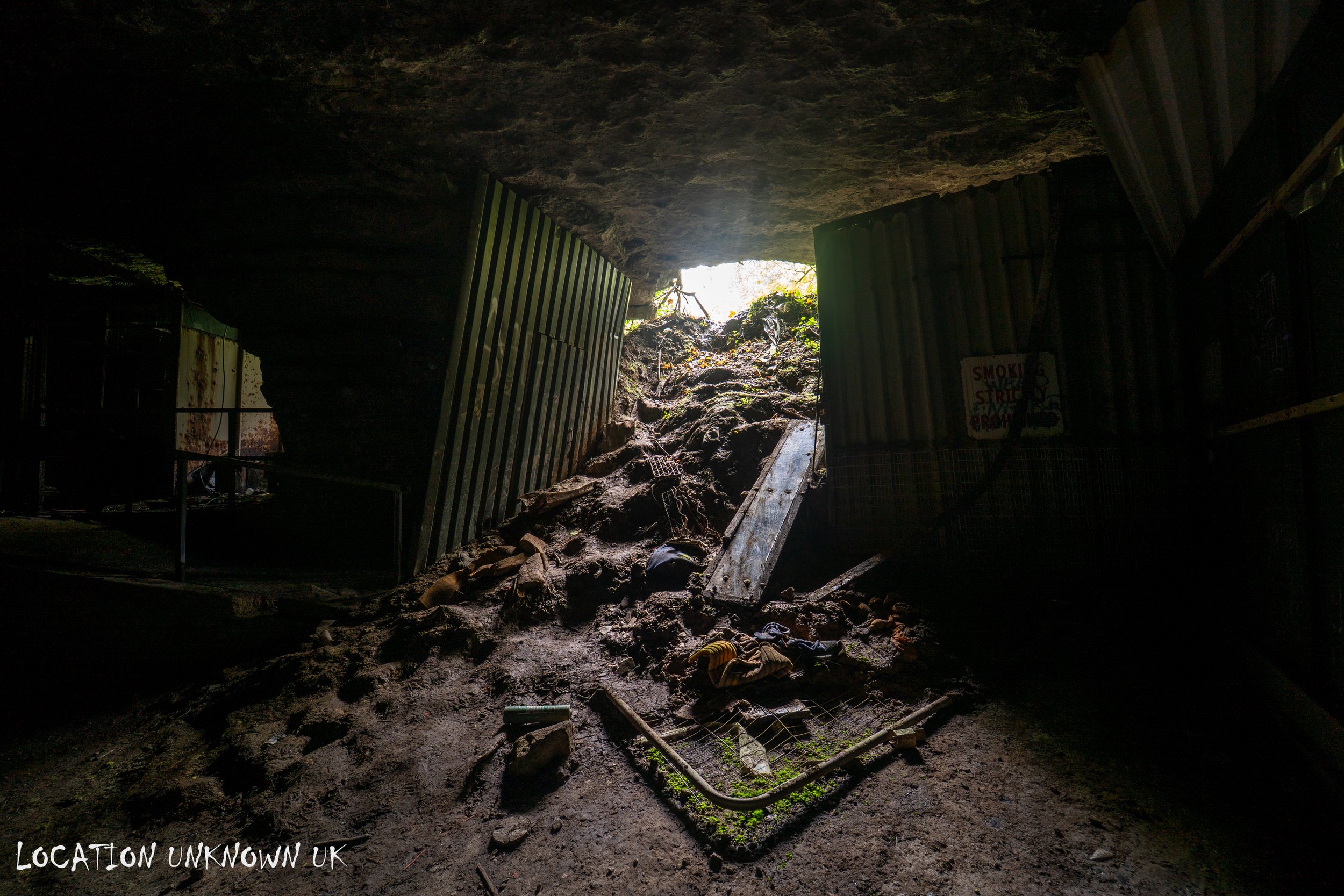
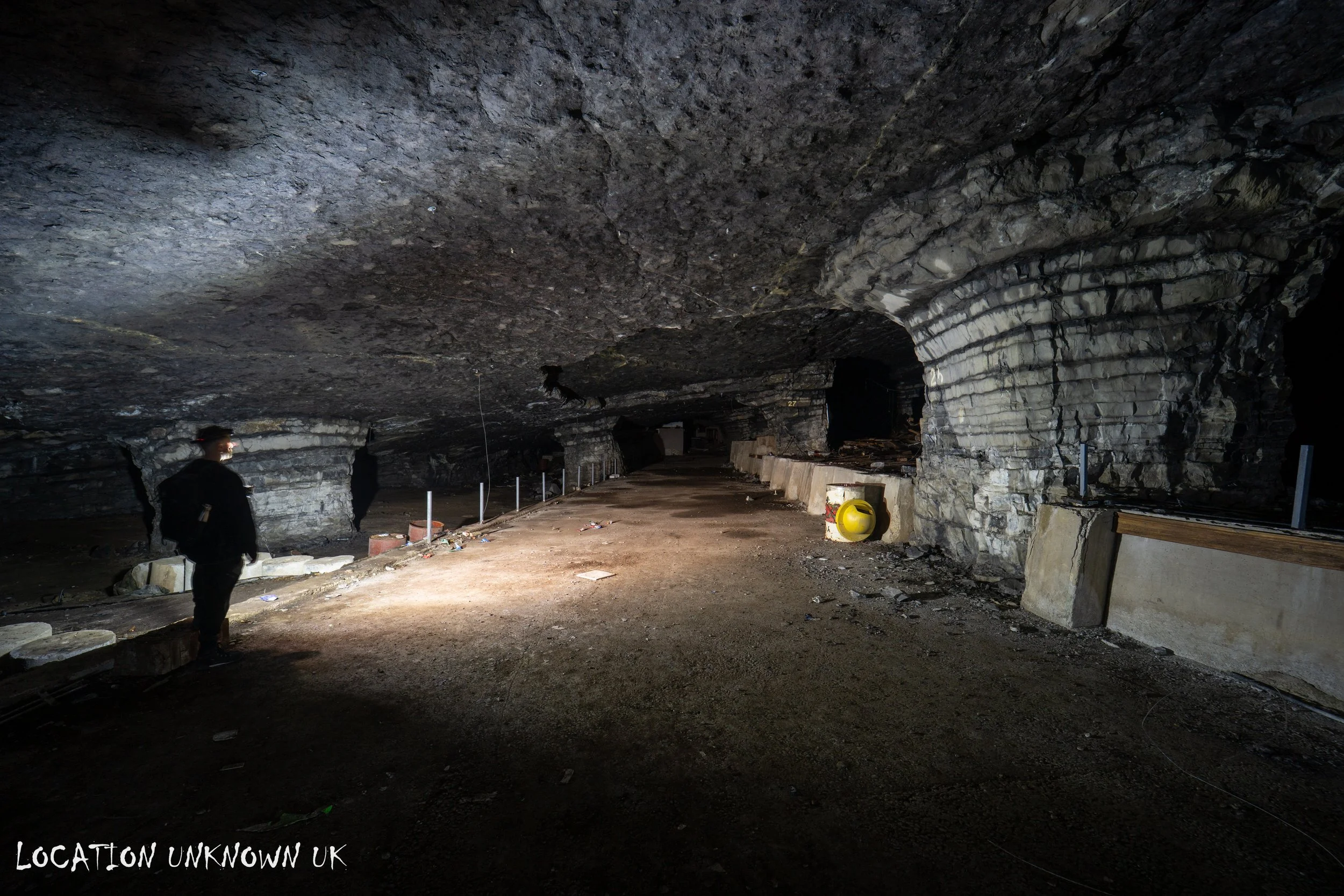
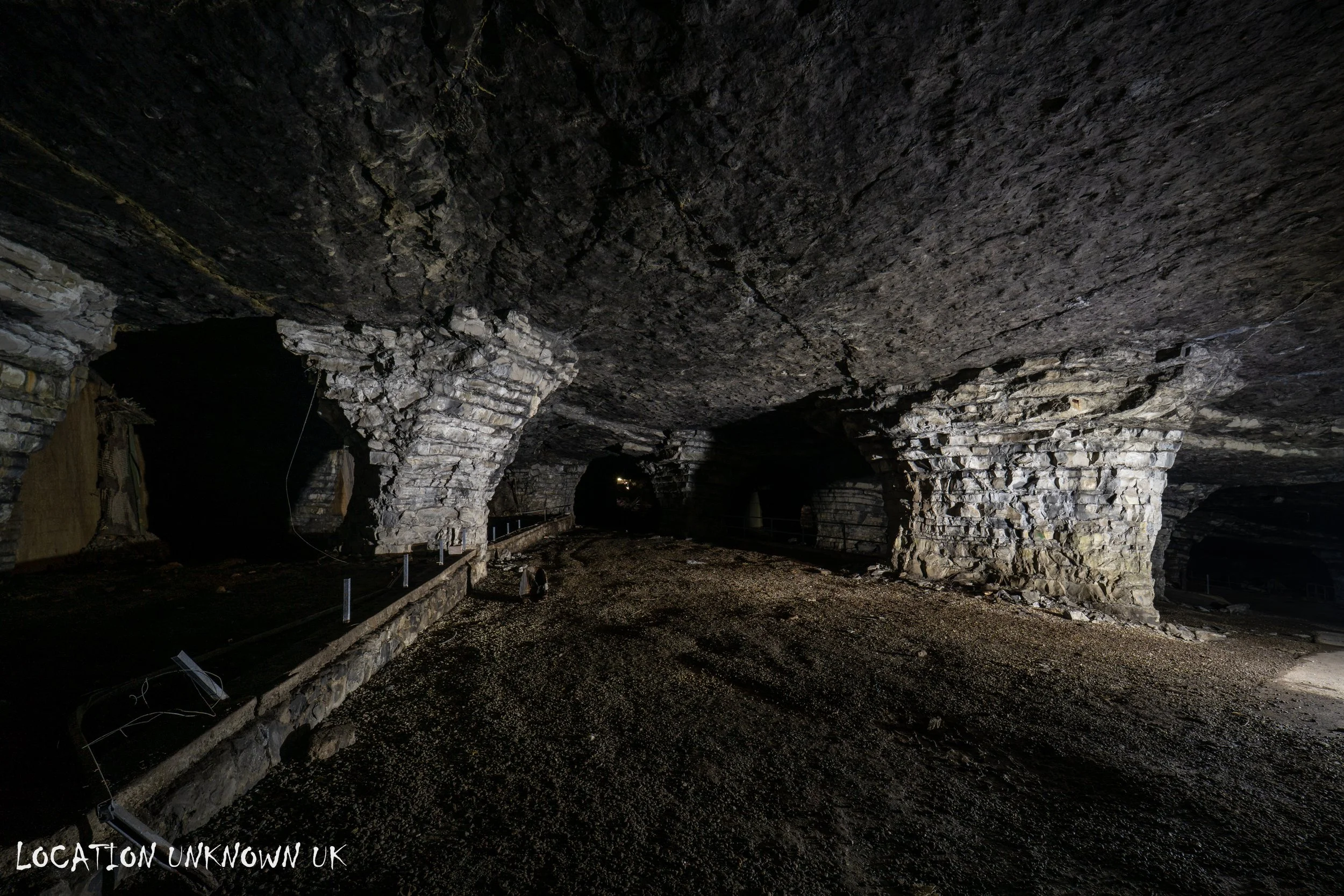
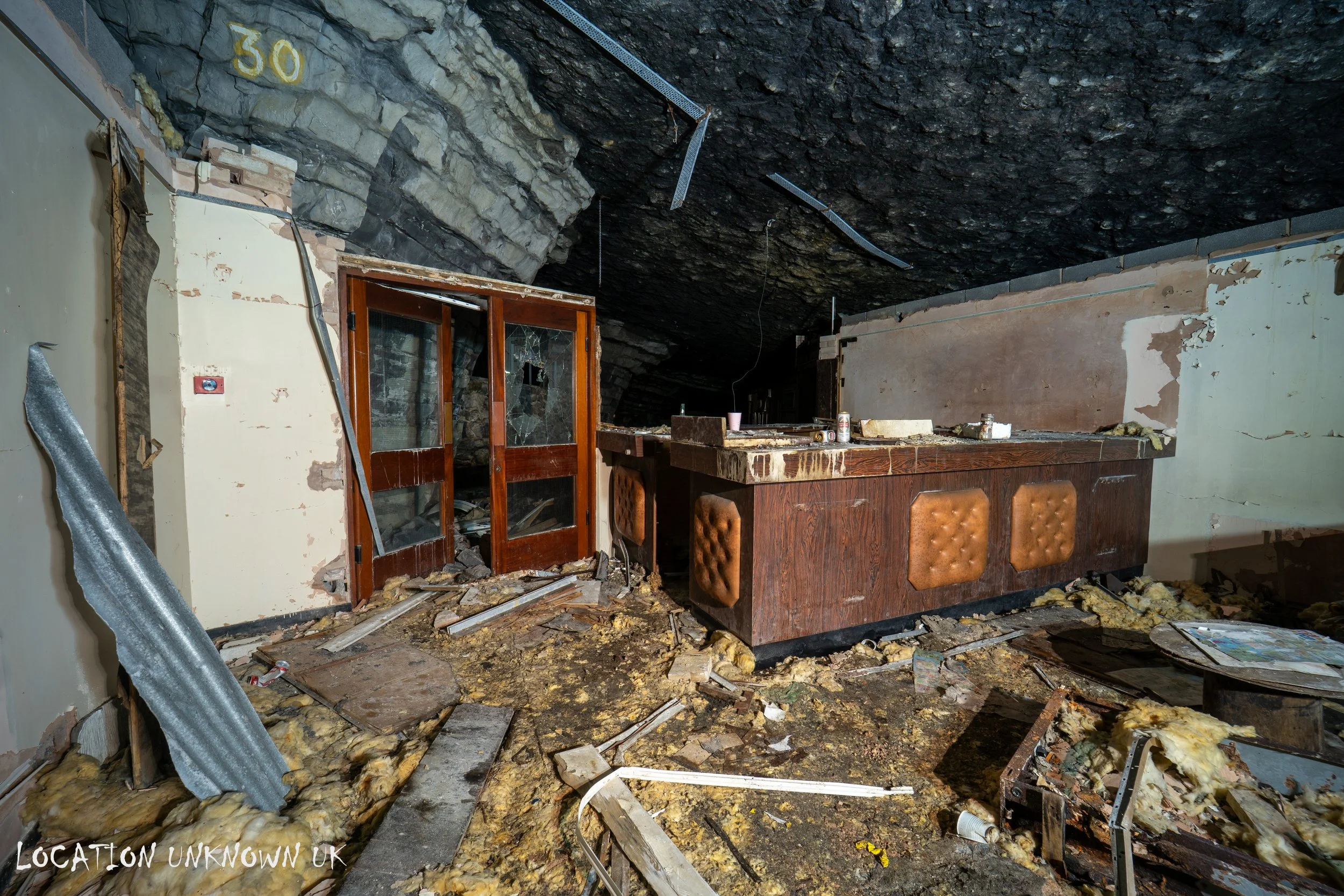
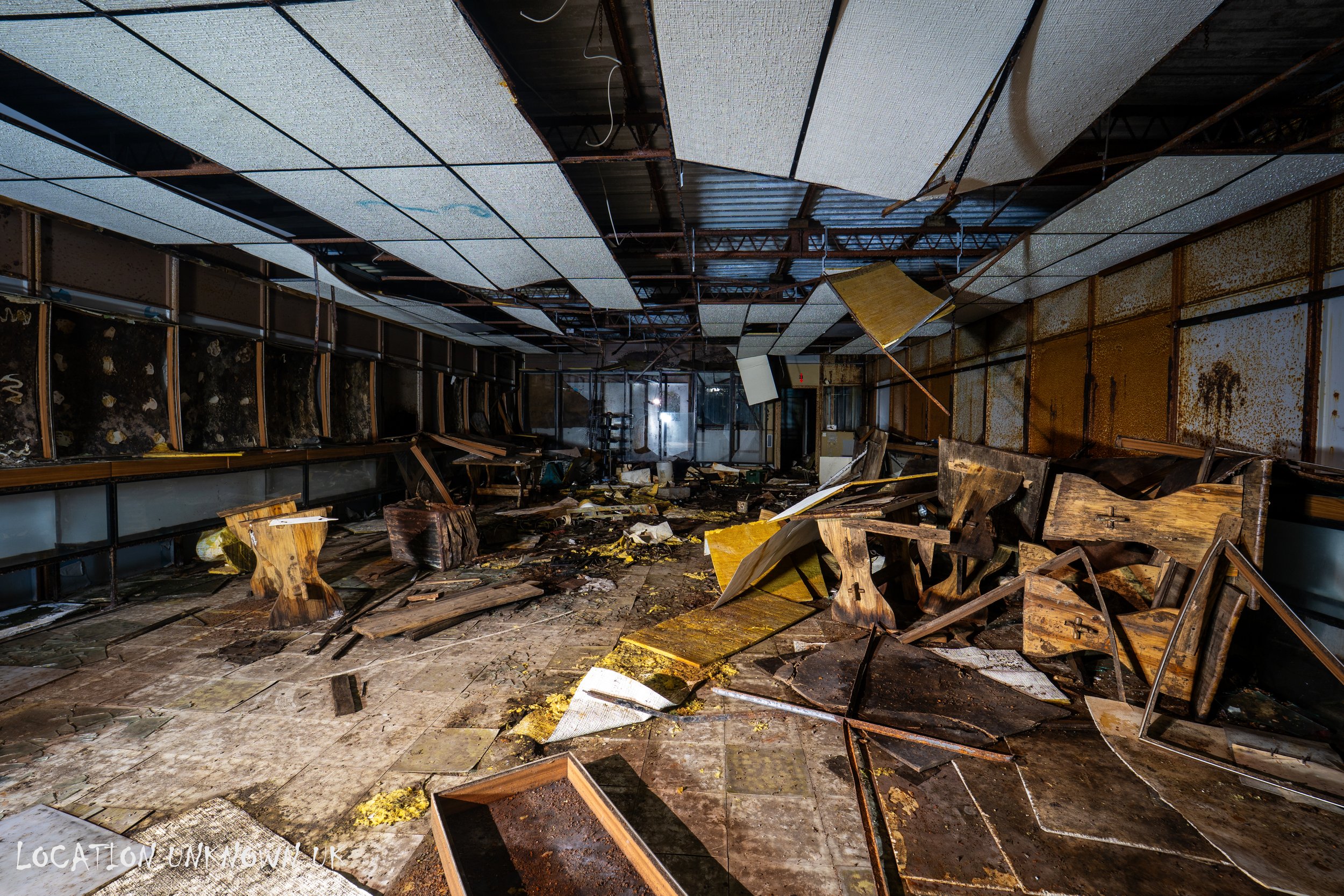
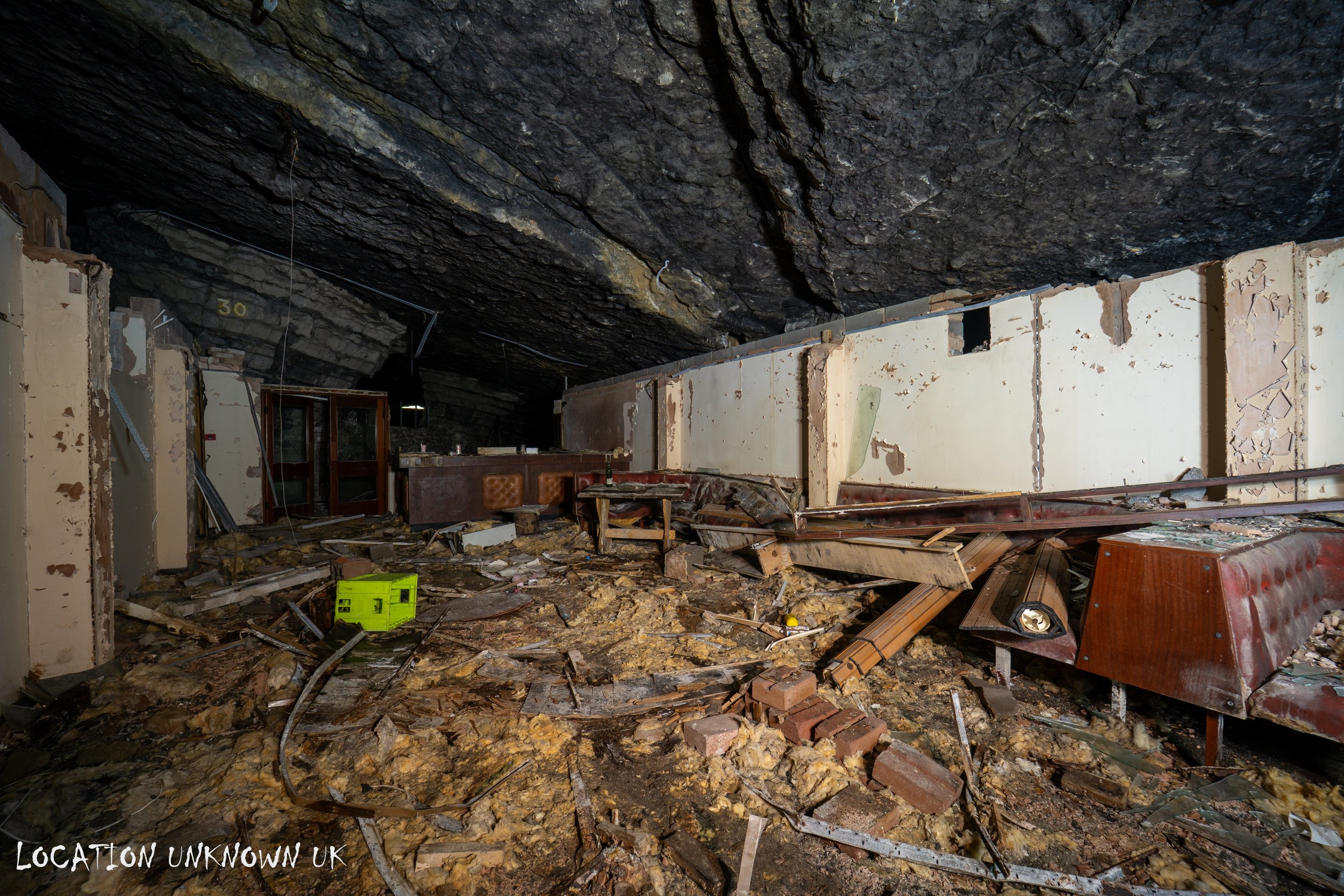
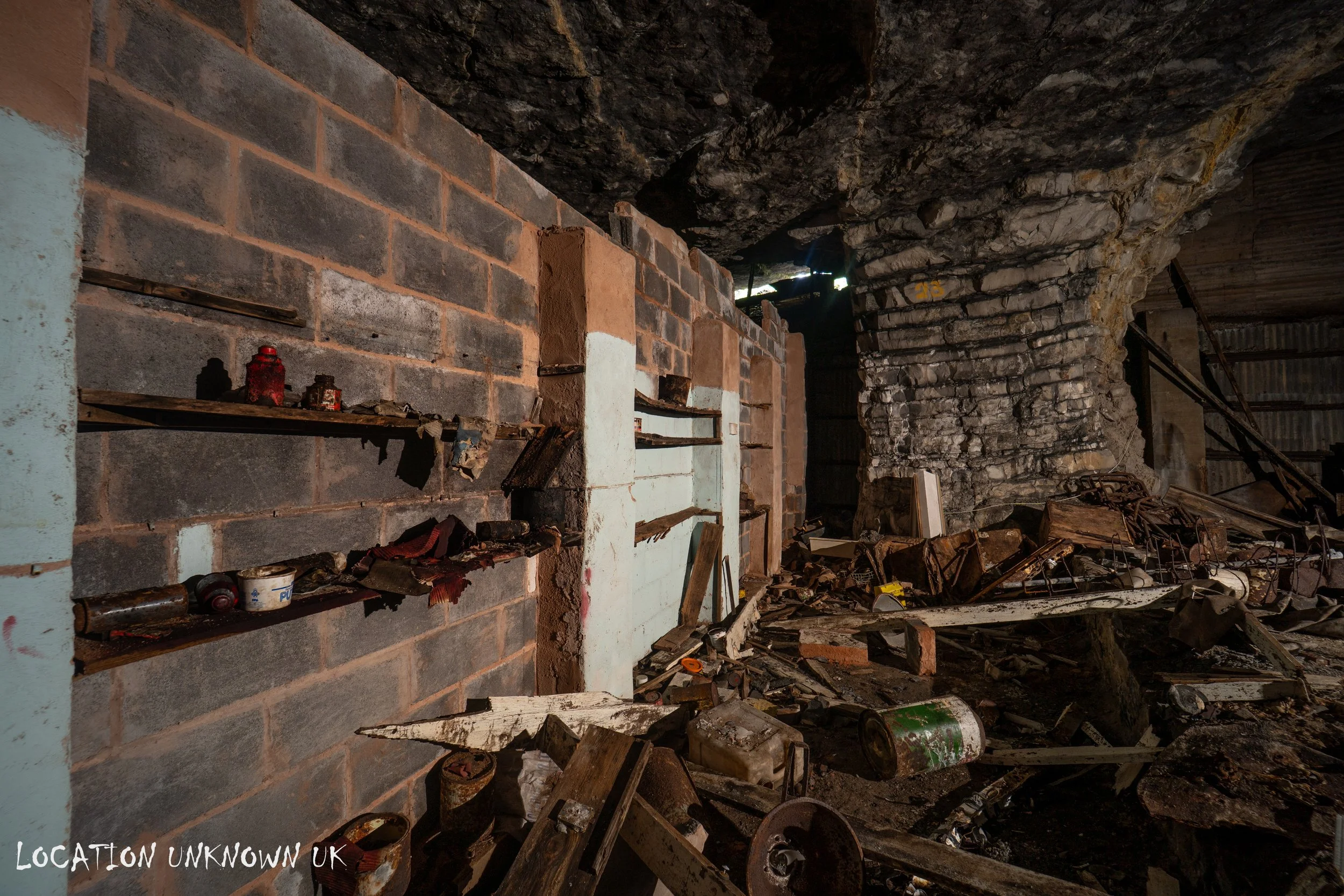
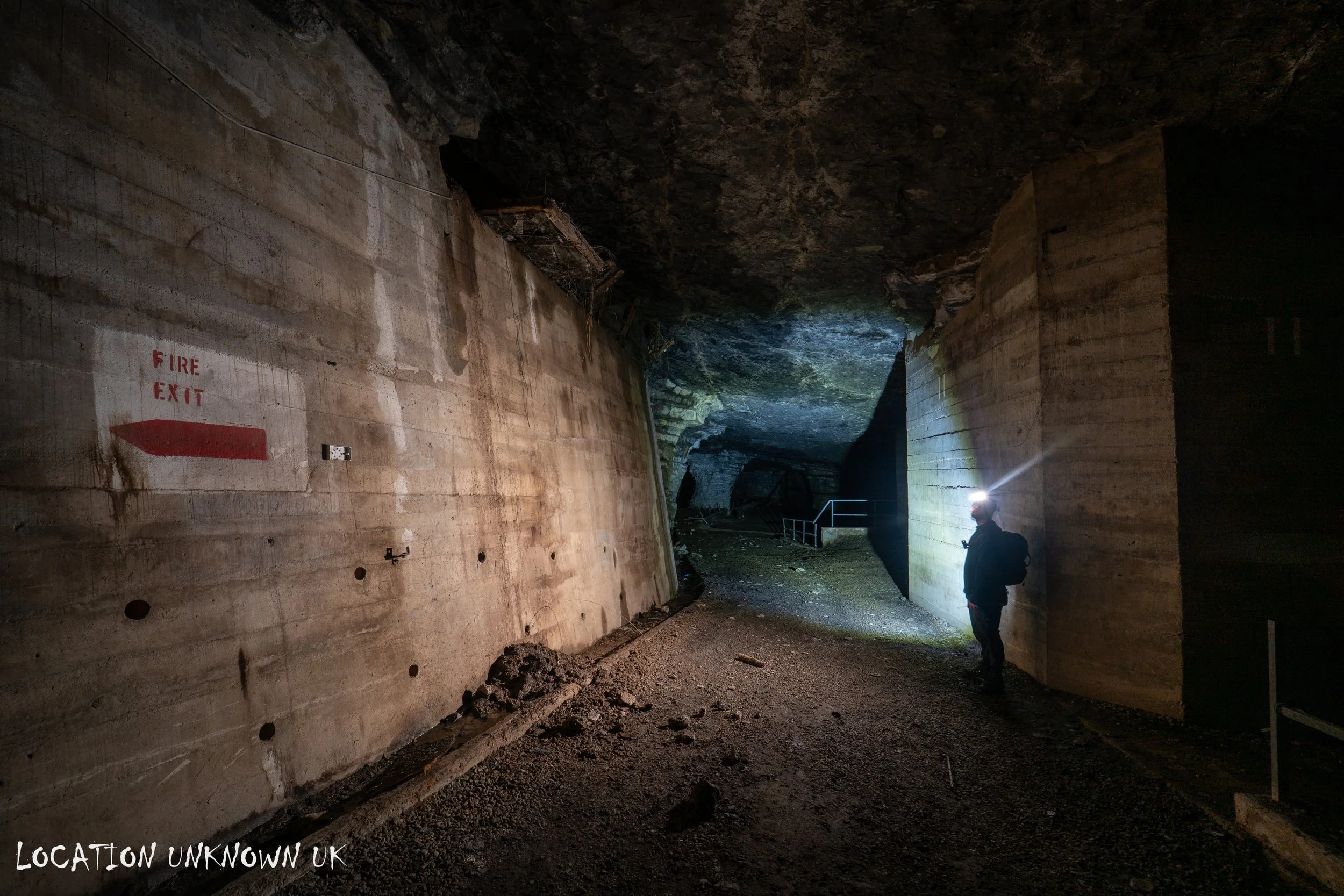
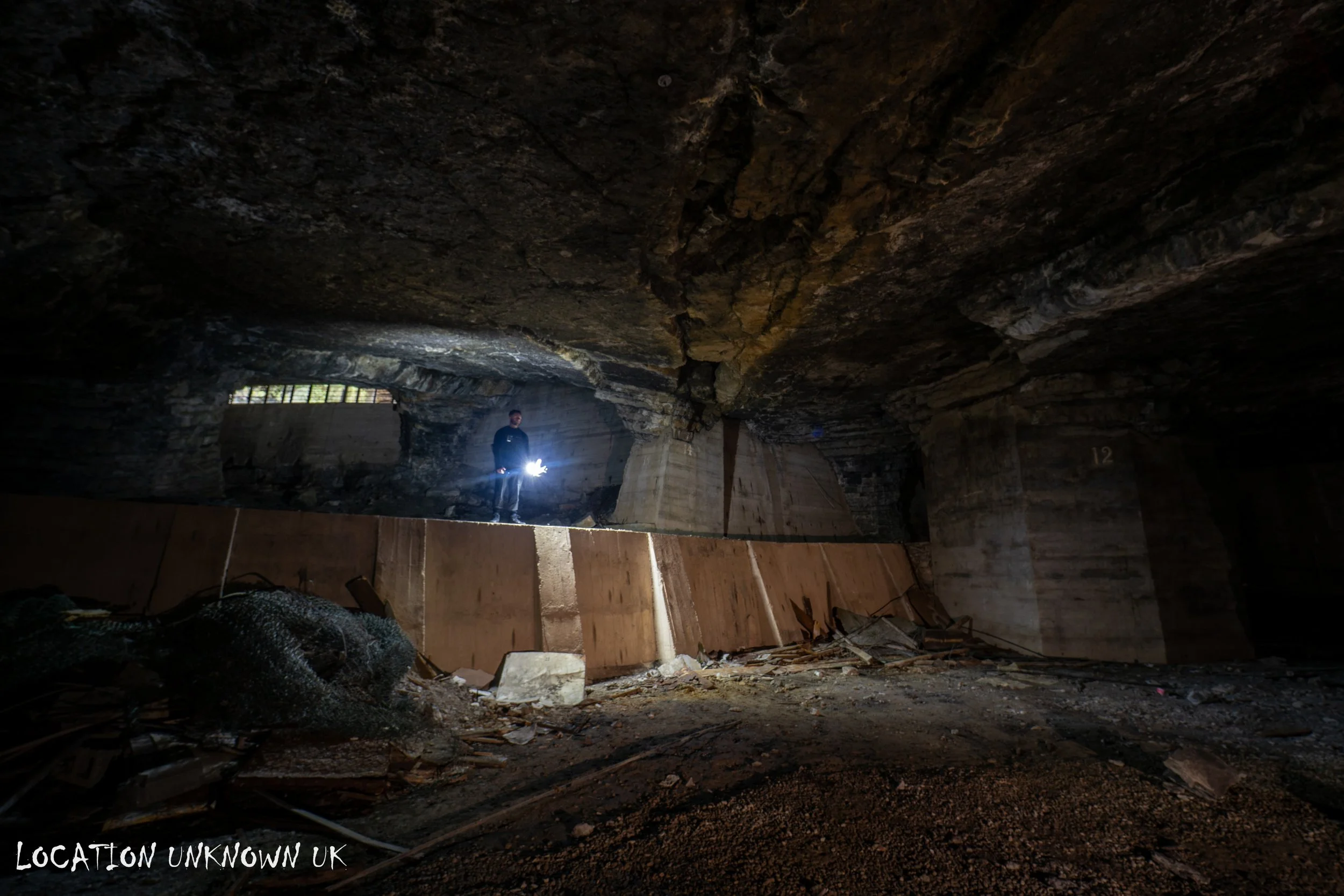
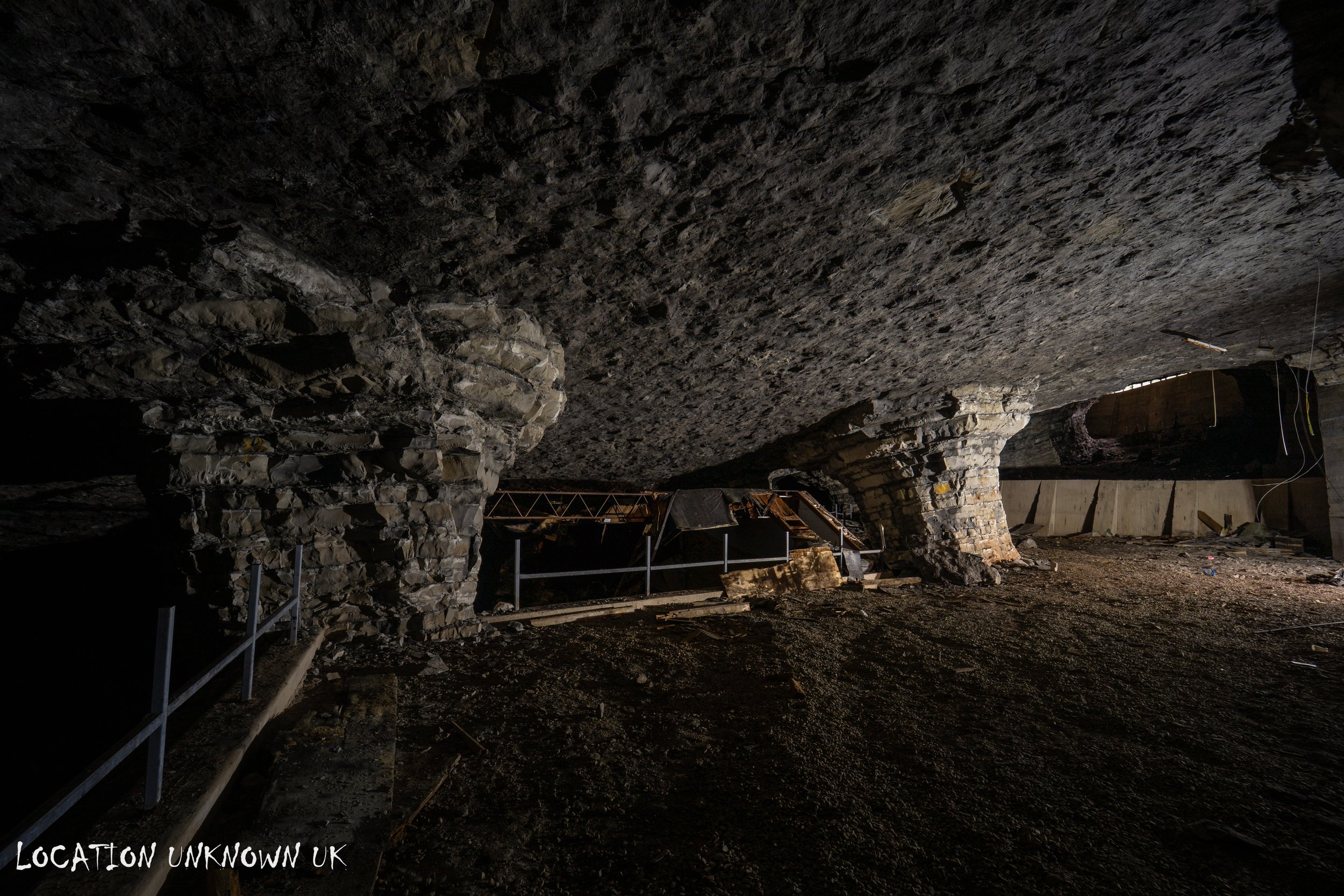
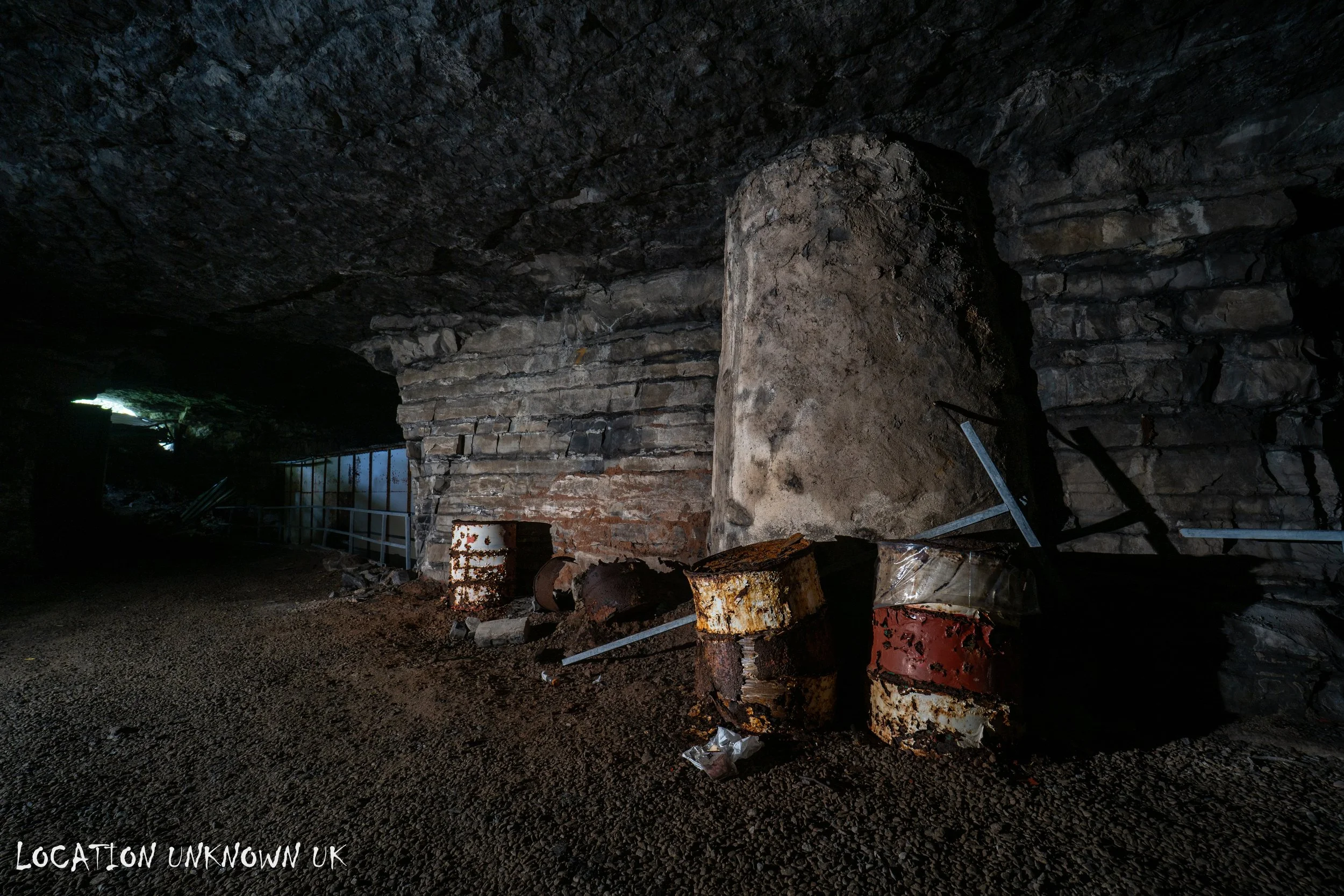
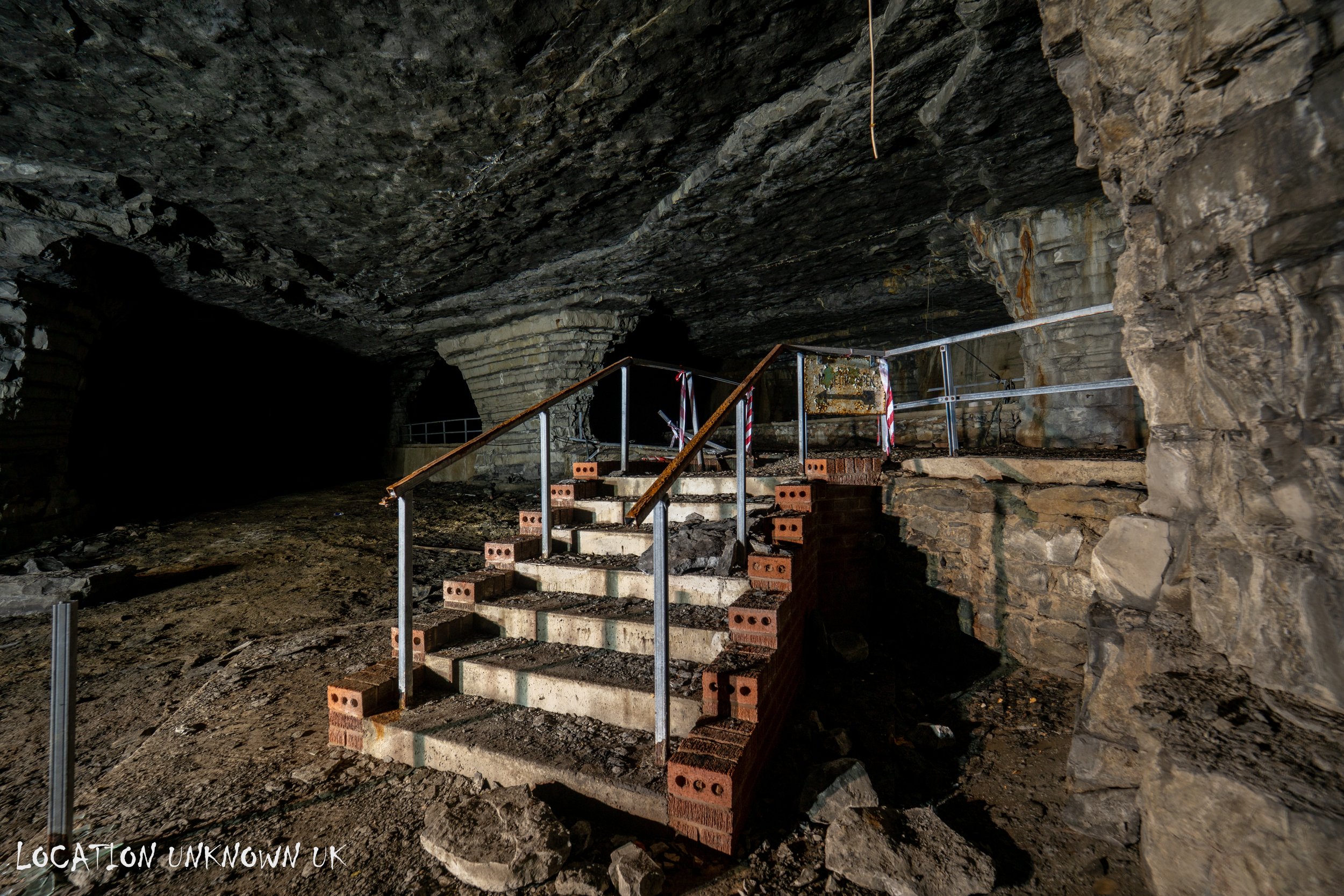
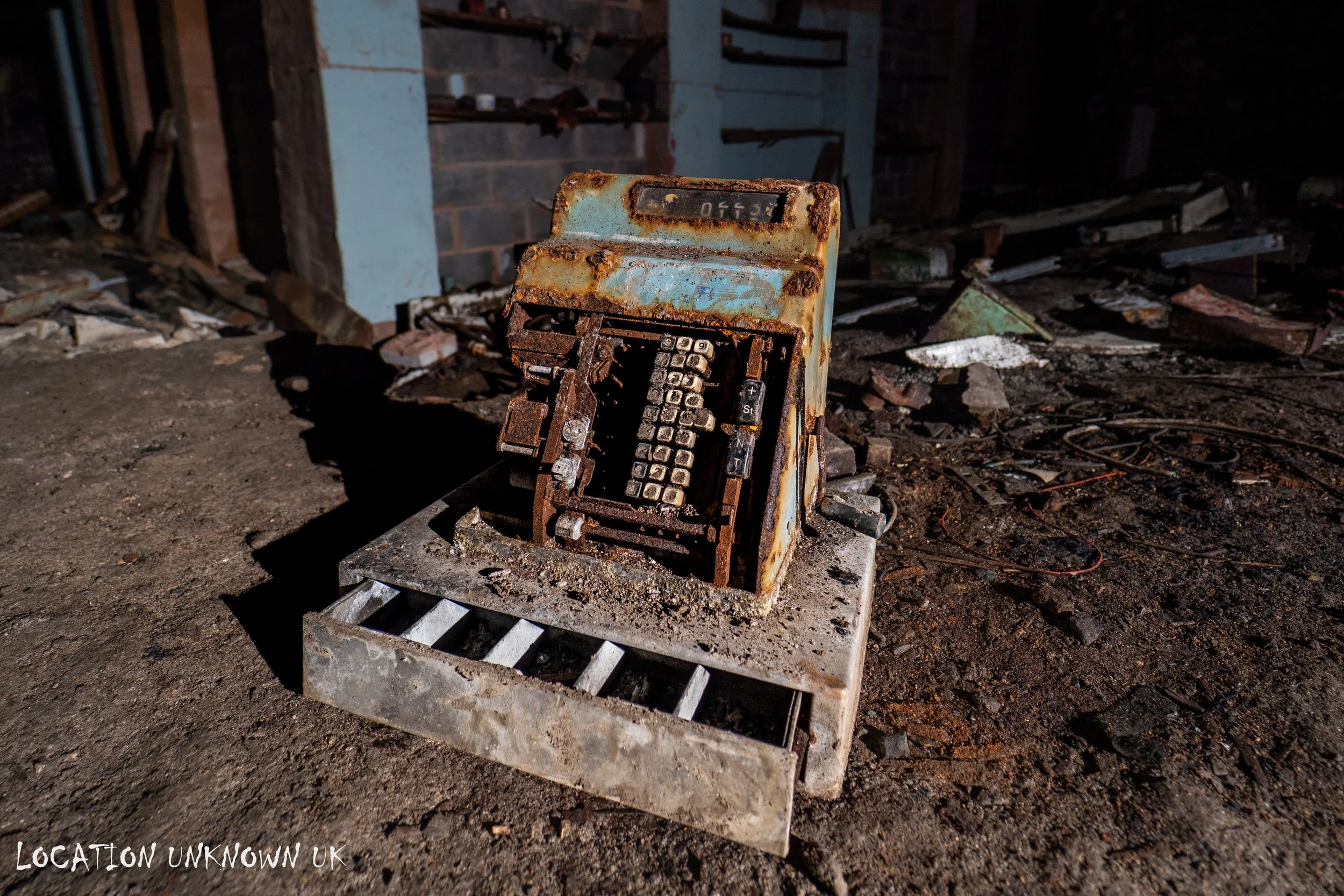
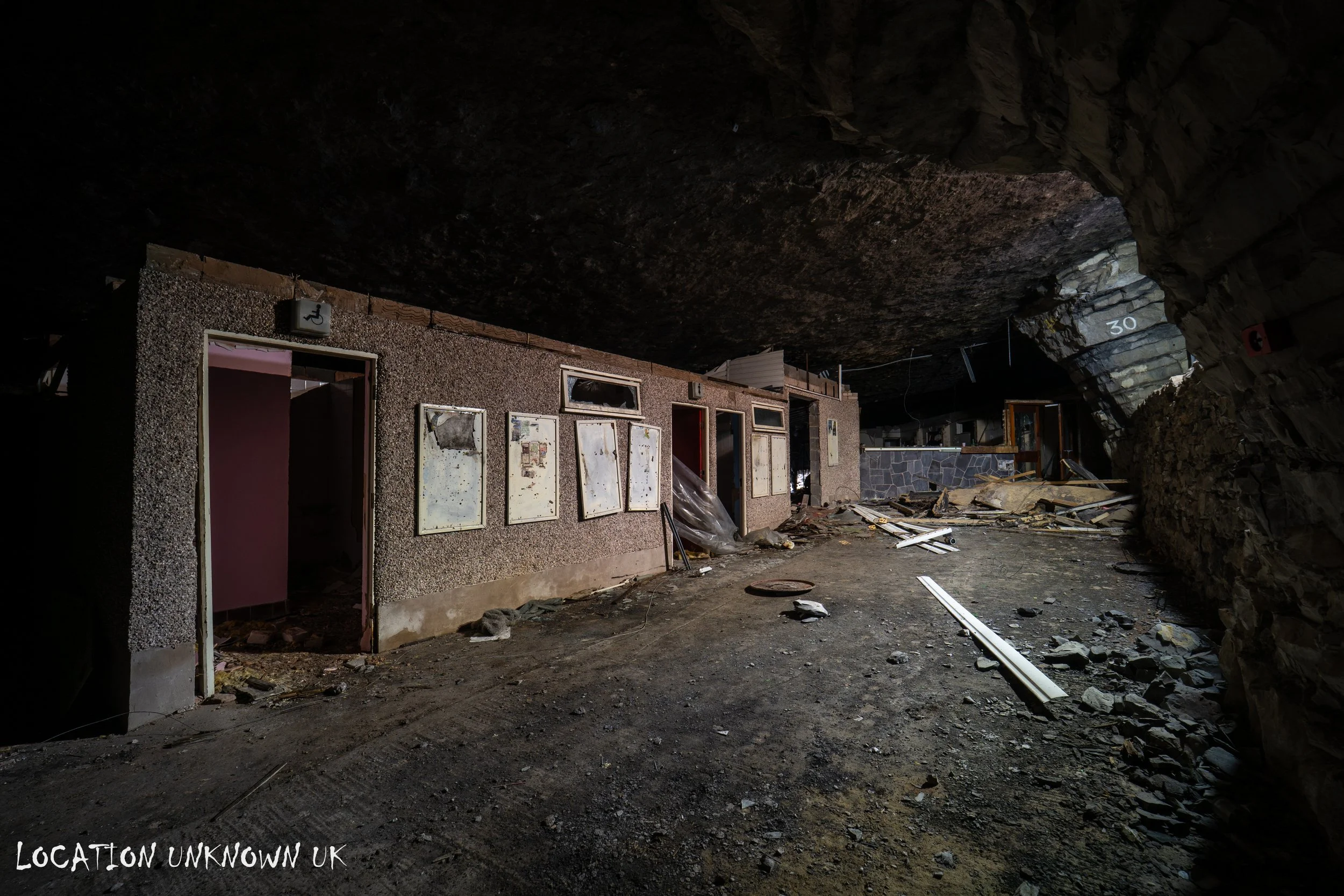
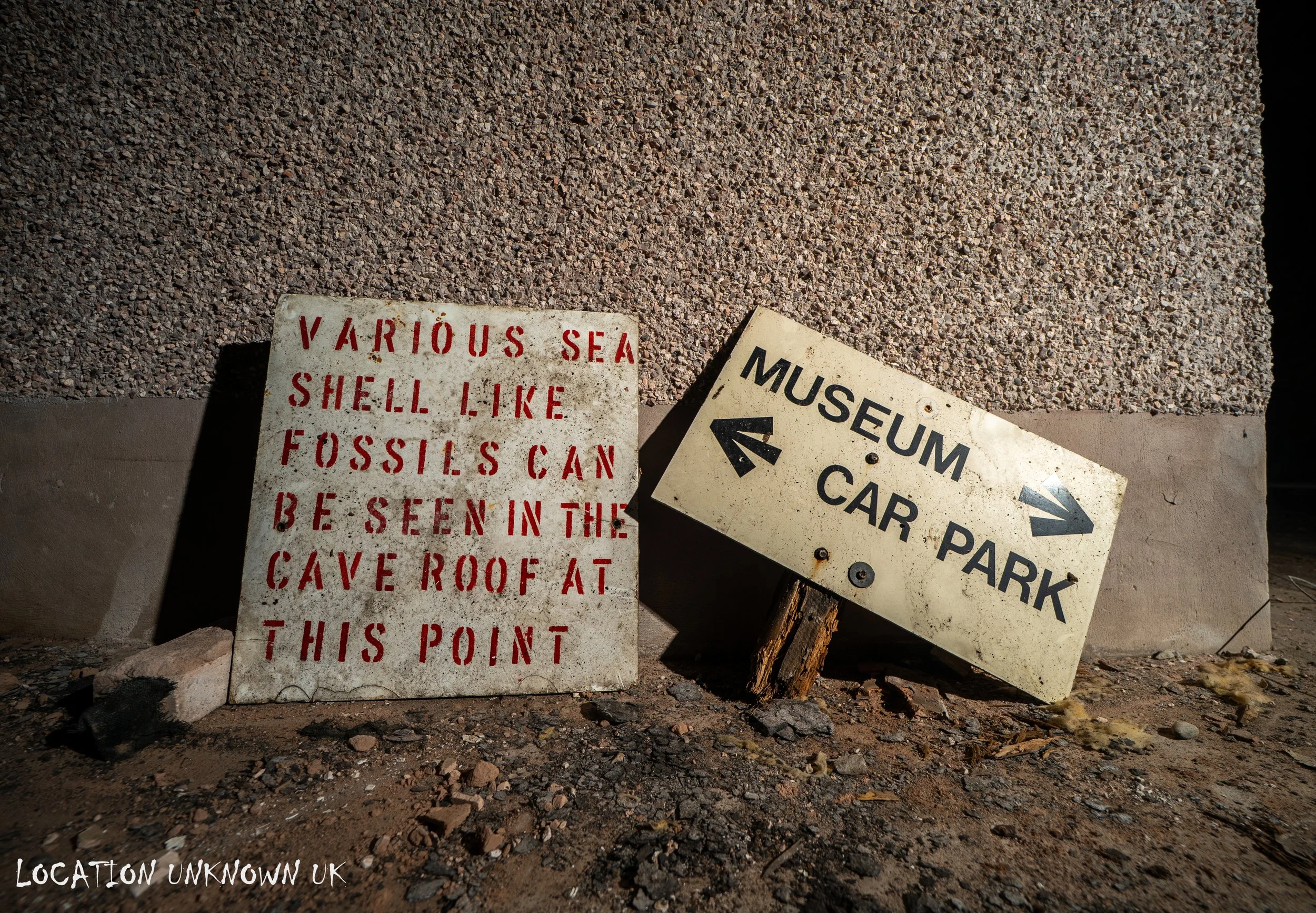
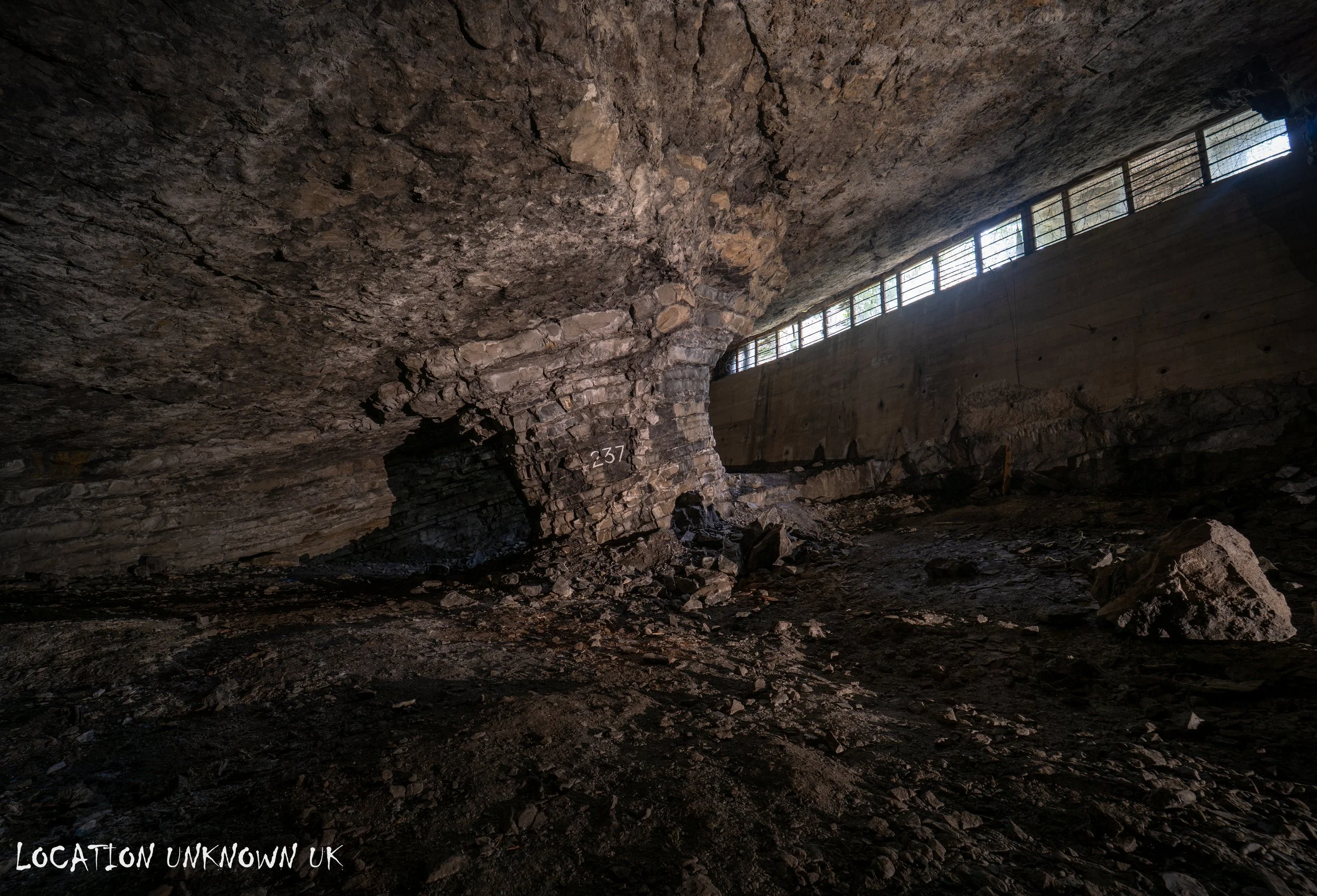
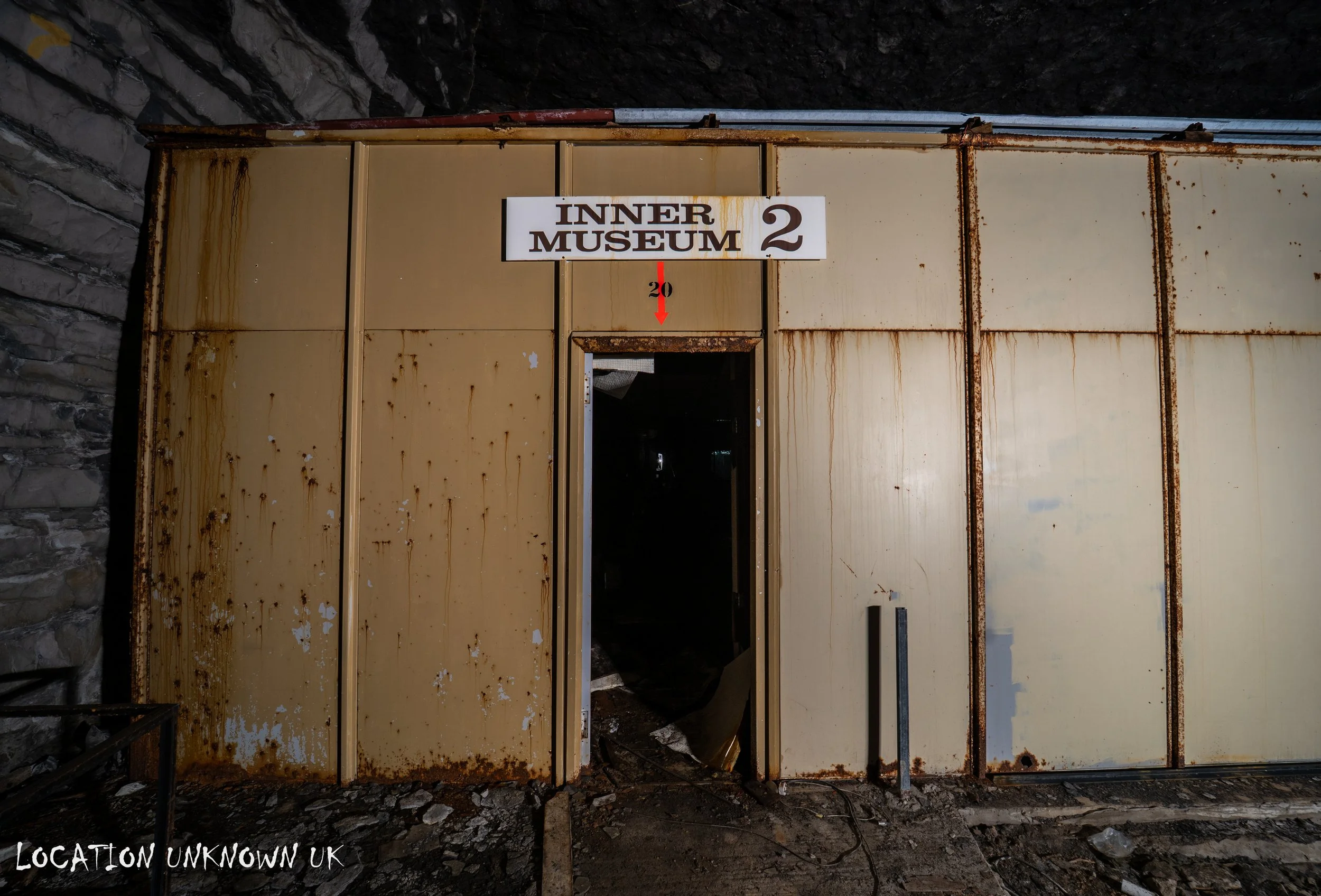
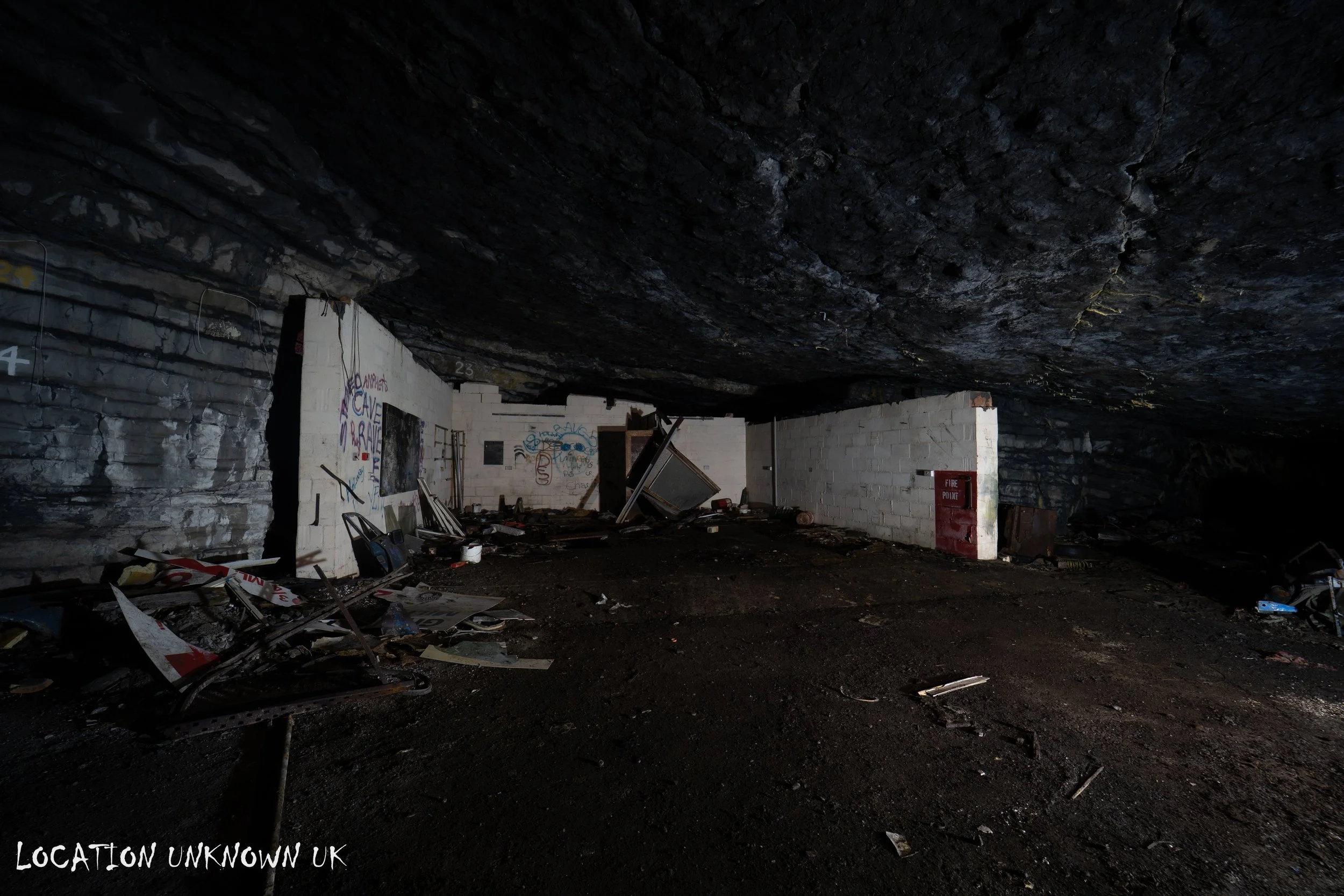
We were focused on the former museum rather than any bats that might be lurking around, and slipped inside through another entrance. I’d expected the site to be tightly sealed, but once we slid in we were able to explore the full underground workings, coming across wartime museum memorabilia throughout.
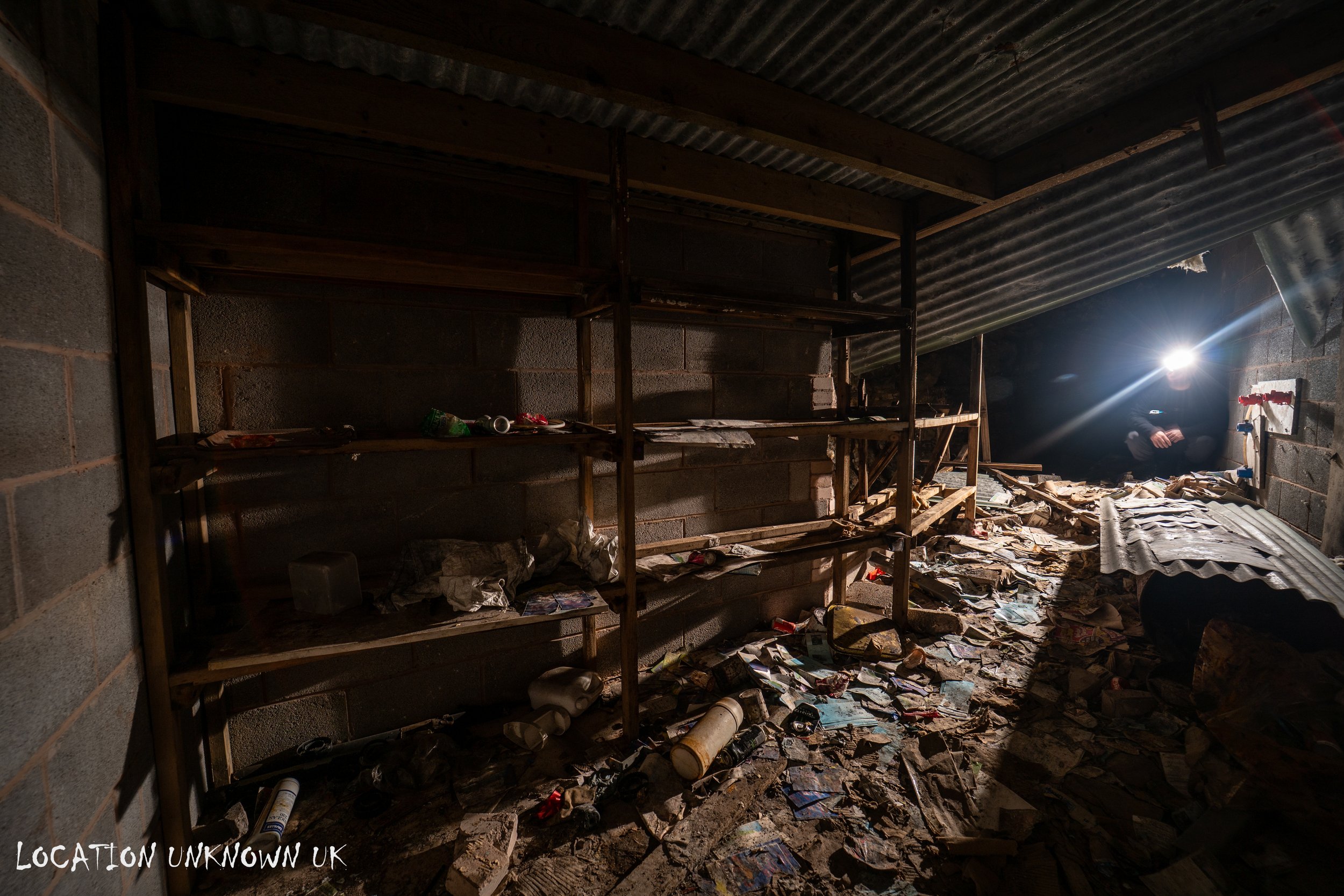
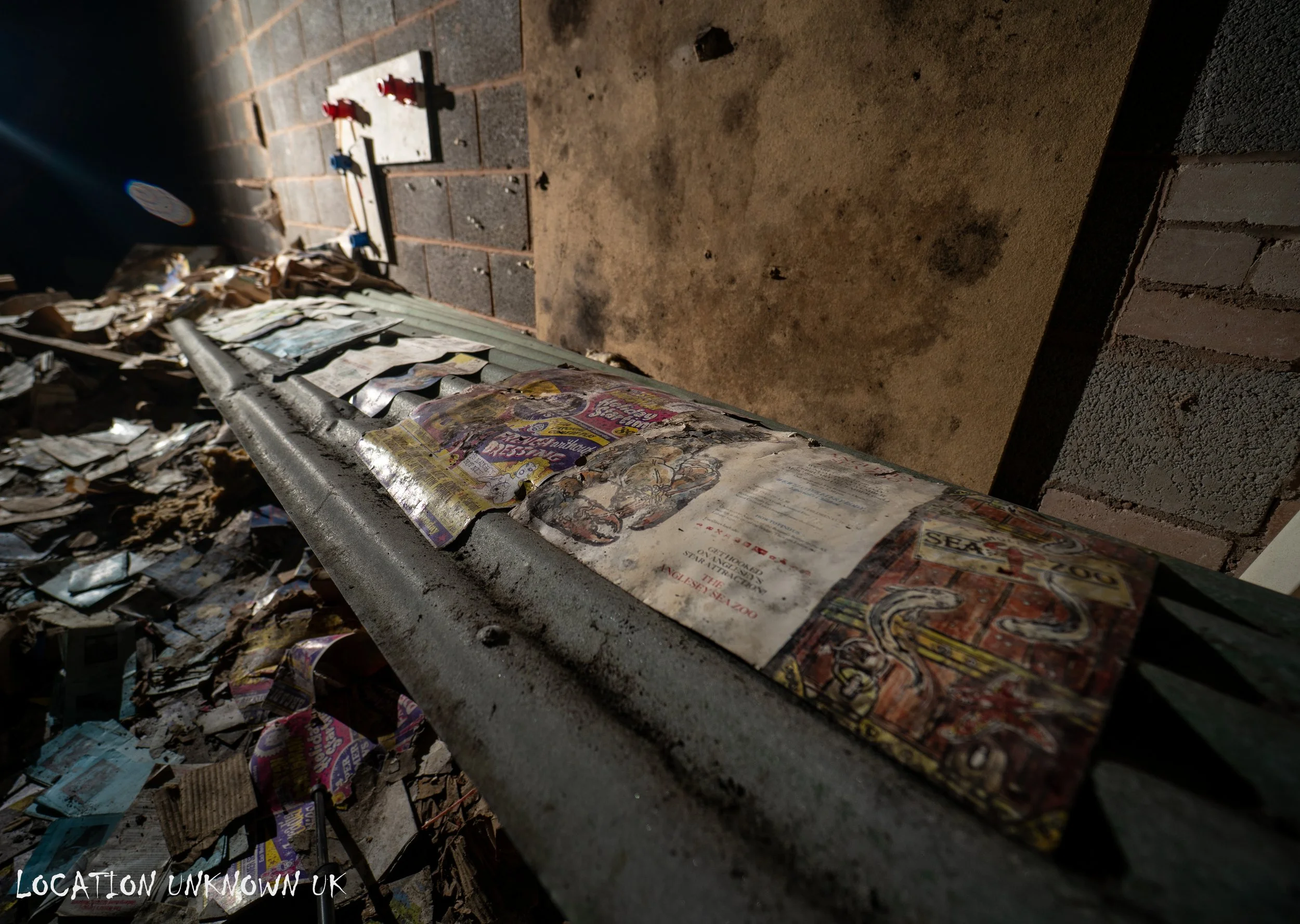
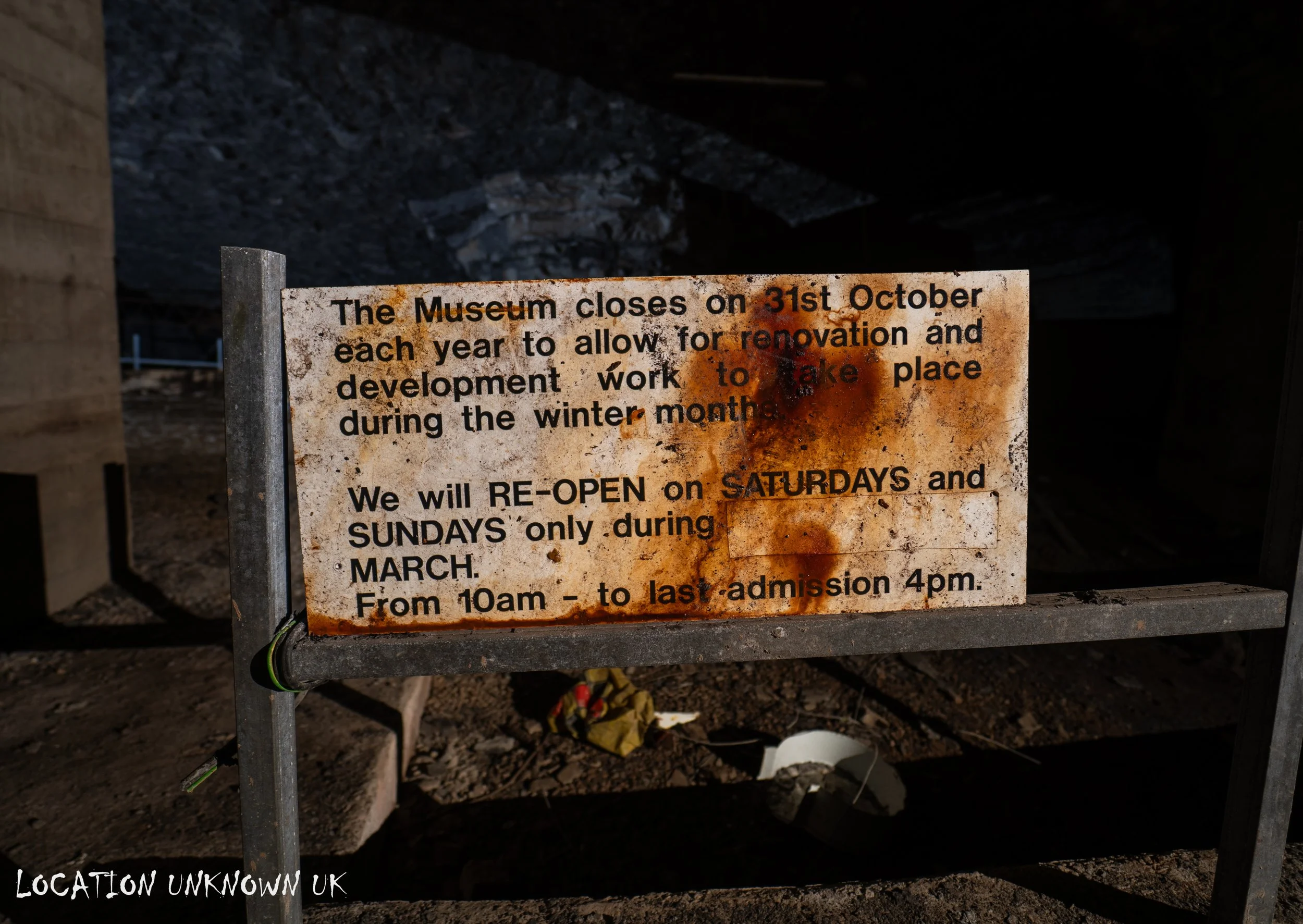
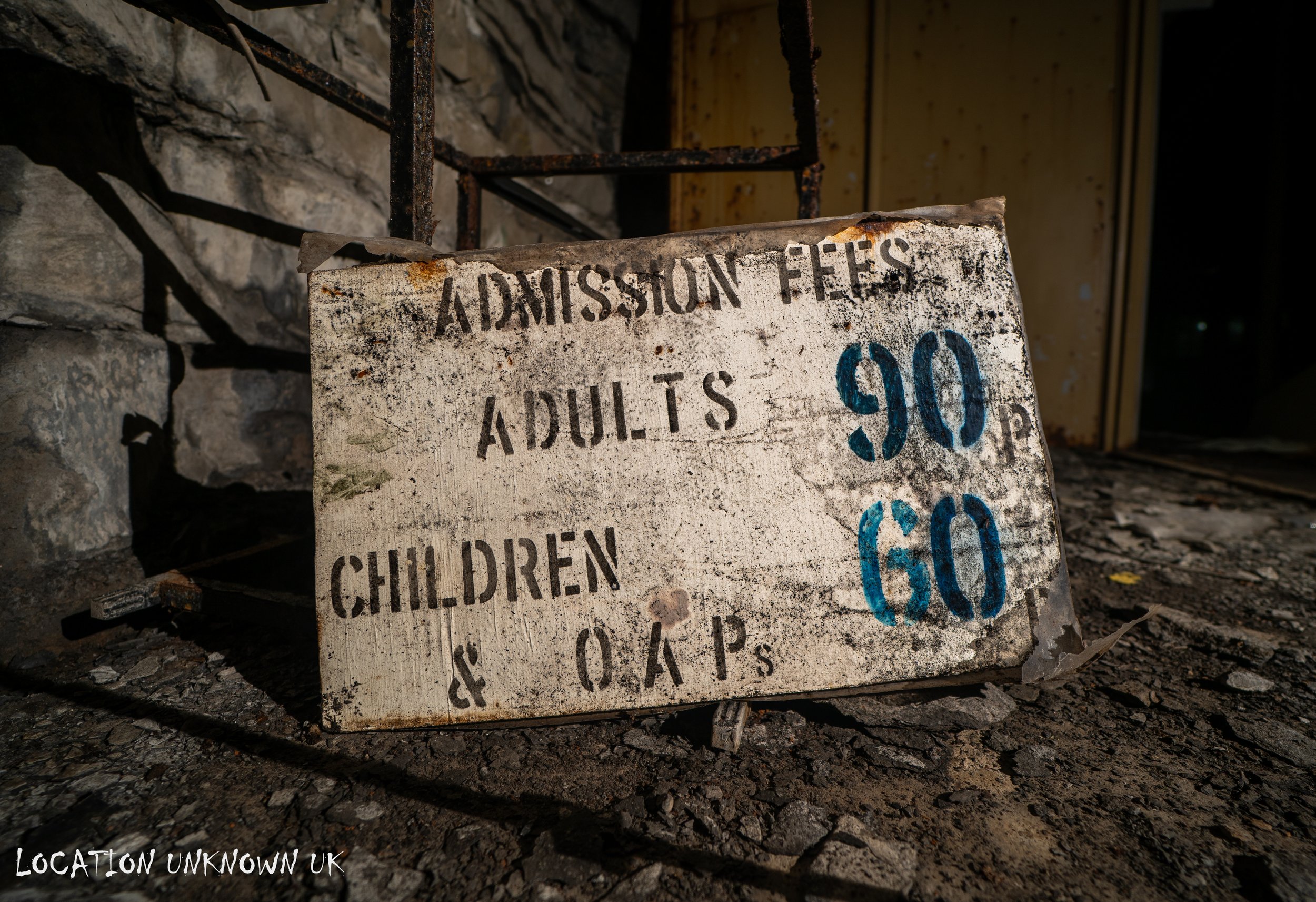
At a mere 90 pence entry fee just before its closure in the late 80’s, I would happily have handed over my money had I been around back then, but instead we made do with what was left to explore on our own. Older reports show more relics once remained, but these have presumably been stolen or destroyed over the years. Piles of old leaflets still litter one corridor, surviving in good condition, likely thanks to the humidity of the underground environment.
My favourite part of the place’s history is that most of the museum pieces on display were actually on loan, and after the museum closed they were ‘accidentally’ sold, causing no small amount of frustration for their rightful owners, one would imagine.
Since our visit, a few other explorers have stopped by, and at least two have encountered the landowner, who apparently patrols the area with an aggressive dog off its lead. A word of warning to anyone thinking of visiting, you might want to bring a cartoon steak or two.
History
During the early years of the Second World War, a vast natural cavern system in Britain, later known as the Grange Cavern Military Museum was requisitioned by the military and transformed into a secure underground storage depot. Its cool, stable temperatures and naturally fortified geology made it an ideal site for housing thousands of tons of ammunition at a time when the threat of aerial bombardment was at its peak. Convoys moved constantly in and out of the site during the war, and although security was tight, local residents later recalled the rumble of trucks entering the hillside at all hours of the day and night. In later decades, rumours spread suggesting that the complex had briefly hosted experimental or classified weapons, though no official documentation has ever confirmed this. Still, wartime workers claimed that certain sealed-off chambers were restricted to only a handful of personnel, giving rise to decades of speculation about what might have been concealed deep within the rock. After the war, the cavern’s military role gradually diminished, and by the 1960s it had fallen into relative quiet. Eventually the site passed into private ownership. During the late 1970s, against a growing public interest in military history, the cavern was reinvented as an underground military museum, a bold and unusual project that drew visitors fascinated by both the collection and the location itself. The museum grew rapidly, occupying long, echoing tunnels where vehicles, weapons, uniforms, communication gear, and wartime memorabilia were arranged along illuminated underground passages. Armoured cars, jeeps, motorcycles, anti-aircraft equipment and even larger installations were displayed in atmospheric alcoves carved from the old ammunition chambers. At its height, the museum was regarded as one of the largest and most distinctive private collections of military artefacts in Britain, notable not only for its size but for the dramatic subterranean setting that set it apart from more conventional museums. Despite its popularity, the museum struggled with rising maintenance costs, insurance issues, and the sheer logistical challenges of running a public venue deep below the surface. When it closed toward the end of the 1980s, the collection was dispersed and the cavern once again emptied. The dispersal was not without controversy: many of the items on display had been loaned by private collectors, and in the confusion of the closure some loaned artefacts were reportedly sold, misplaced or scrapped without the knowledge or consent of their owners. A few of these missing pieces have never been traced, becoming a minor mystery in the world of military collecting. With the museum gone, the cavern returned to silence. What remains is a layered history: a wartime storehouse veiled in secrecy, a post-war repository of privately assembled heritage, and finally a space marked by the uncertainty of its final days. Beneath the surface of the landscape, the Grange Cavern stands as a place where the hidden pressures of war, the passion for preservation, and the ambiguities of human stewardship all briefly collided.