RAF Spadeadam - Brampton
I don’t think I’ve ever read a report on this place, over the years it’s been hit, that didn’t include the people involved emphasising just how brutal the walk in was.
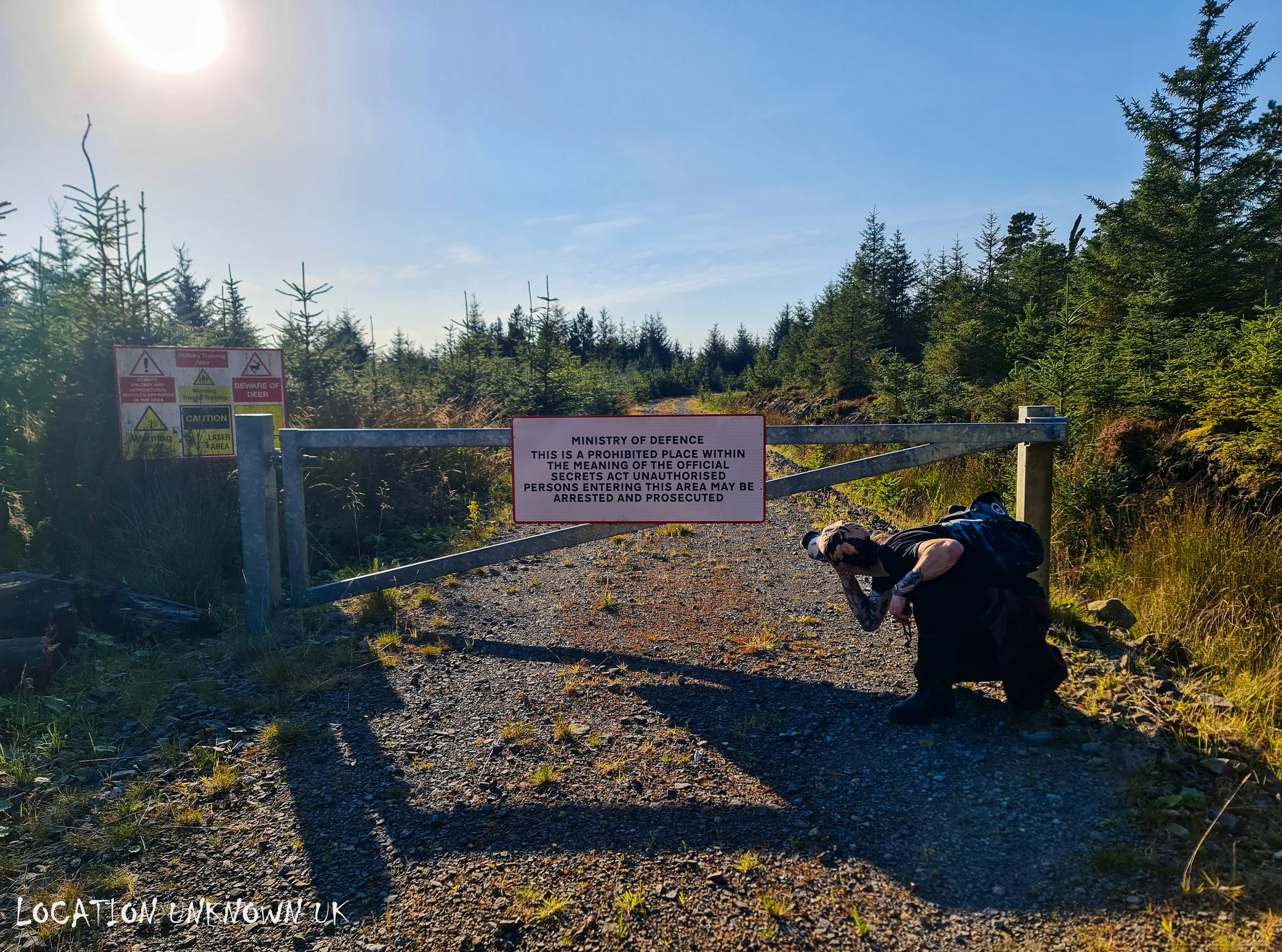
During a long weekend in Scotland focused mainly on asylums, we decided to head to Spadeadam on the way up to the border. The route looked fairly straightforward, and we erred on the side of caution by parking even further away to avoid the regularly patrolled military roads that weave in and out of the site.
Using Google Earth, the route seemed simple enough and elevation wasn’t a concern, it was all down to the ground itself. The start was just a case of trampling over freshly cut trees and avoiding stumps, but this soon gave way to deep craters concealed by foliage, invisible until your leg was already all the way in.
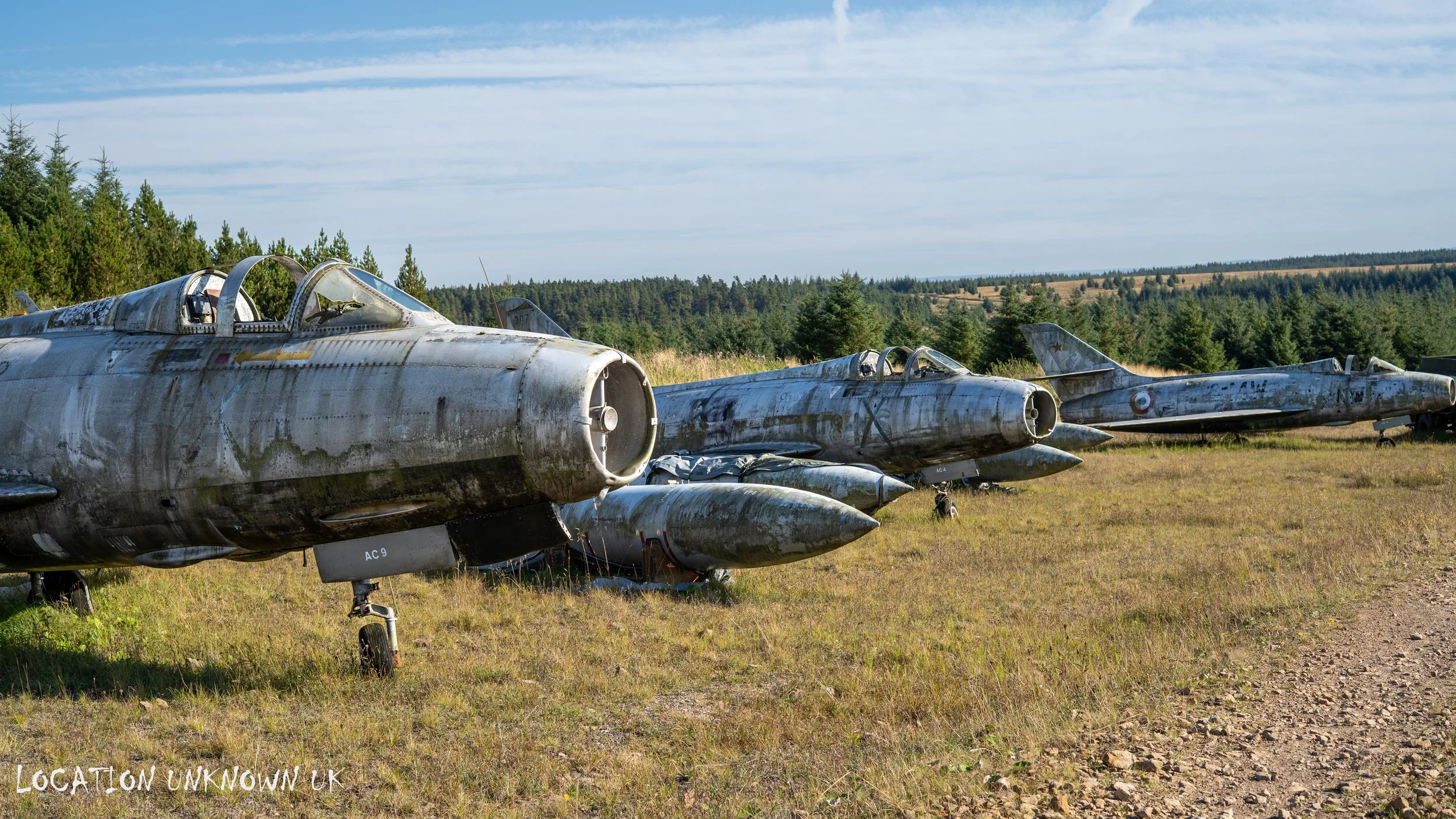
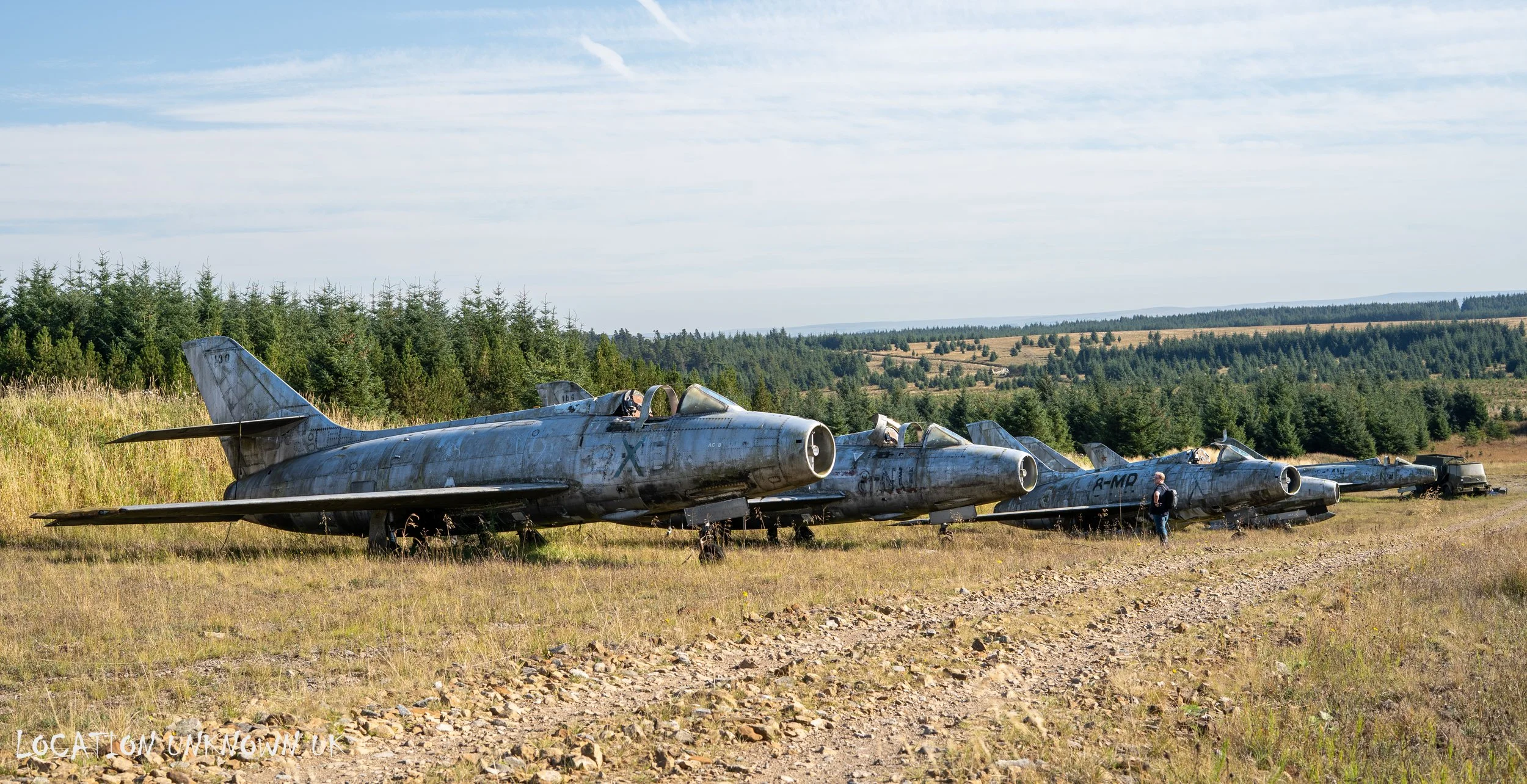
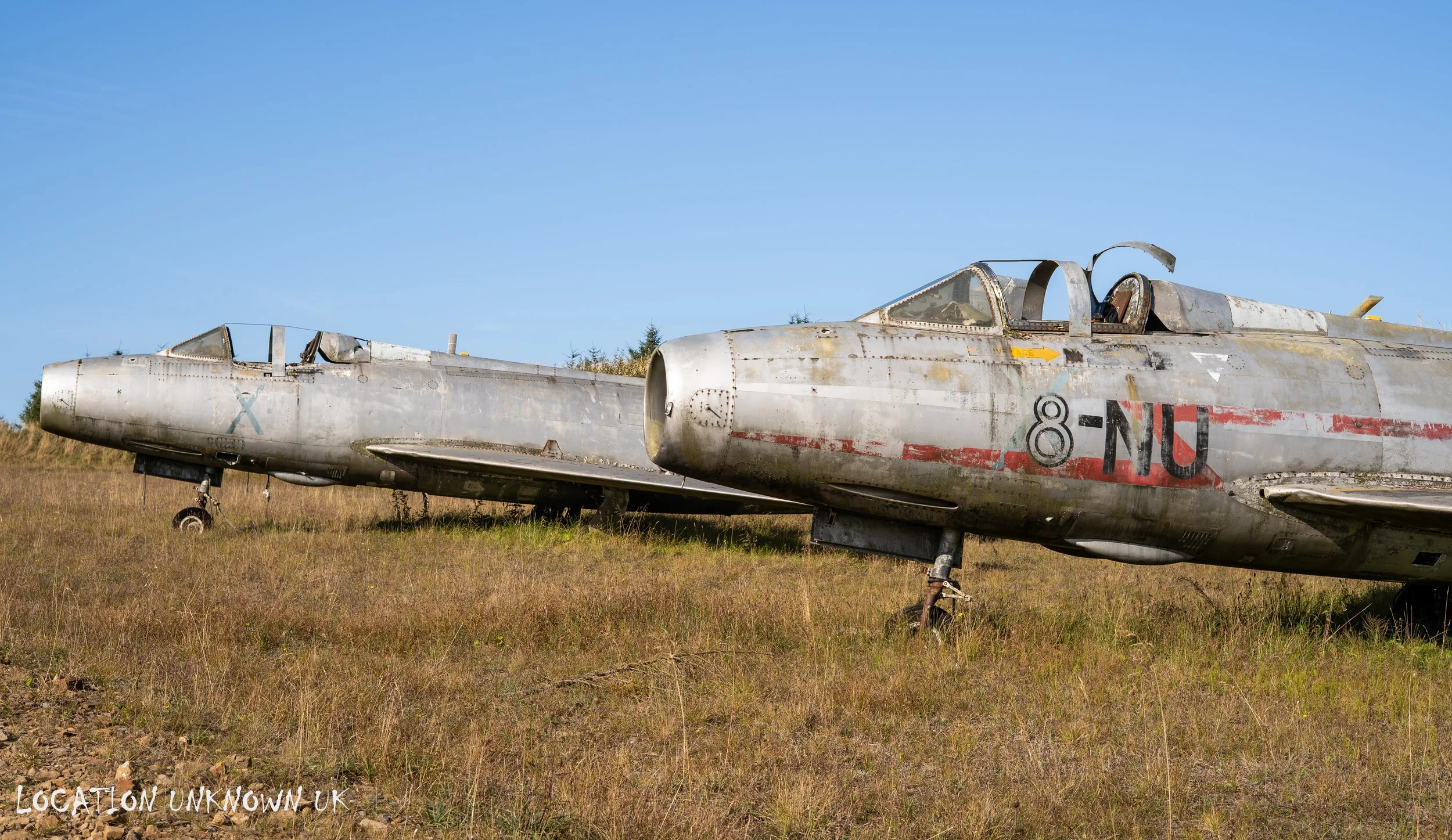
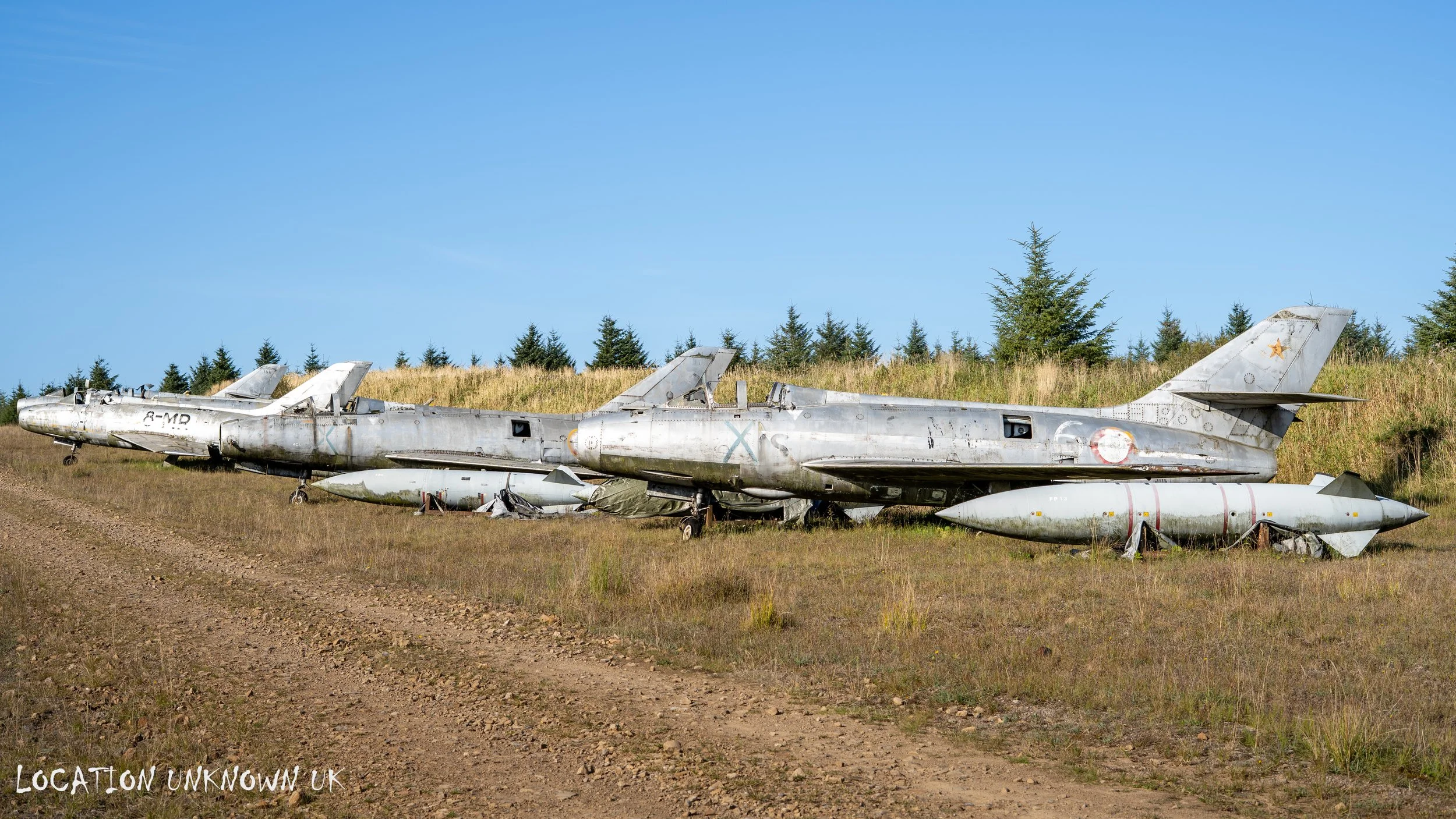
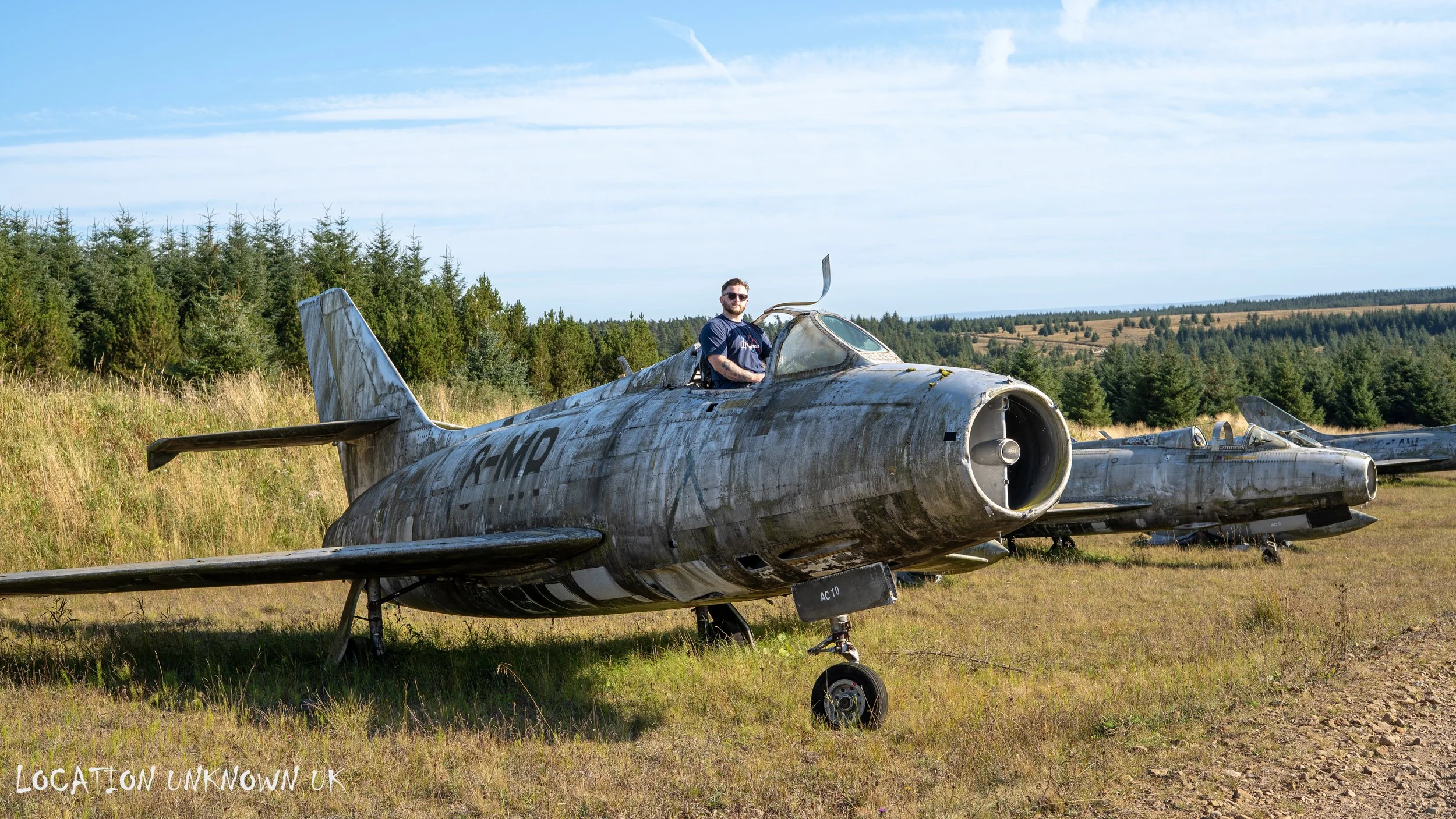
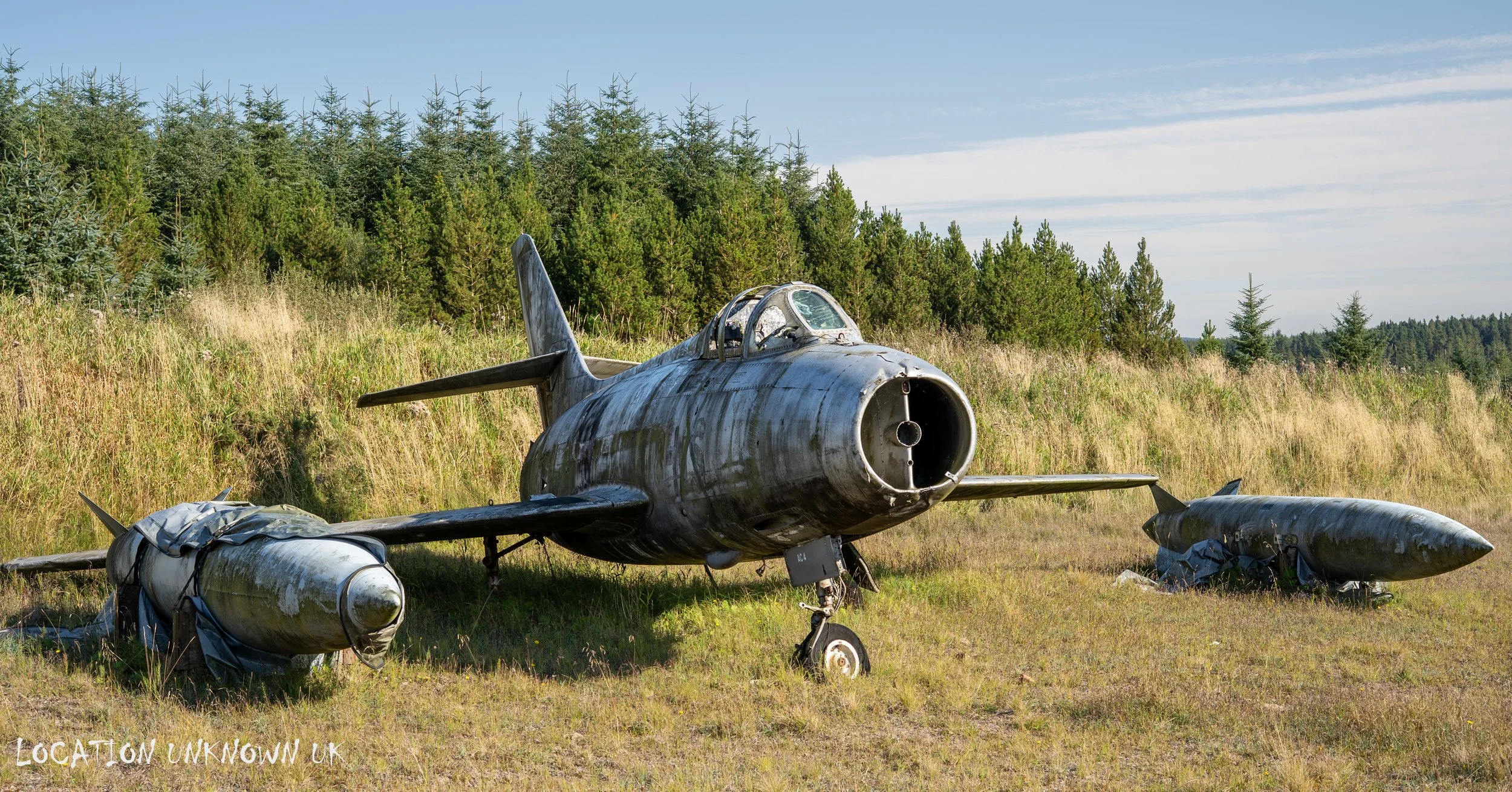
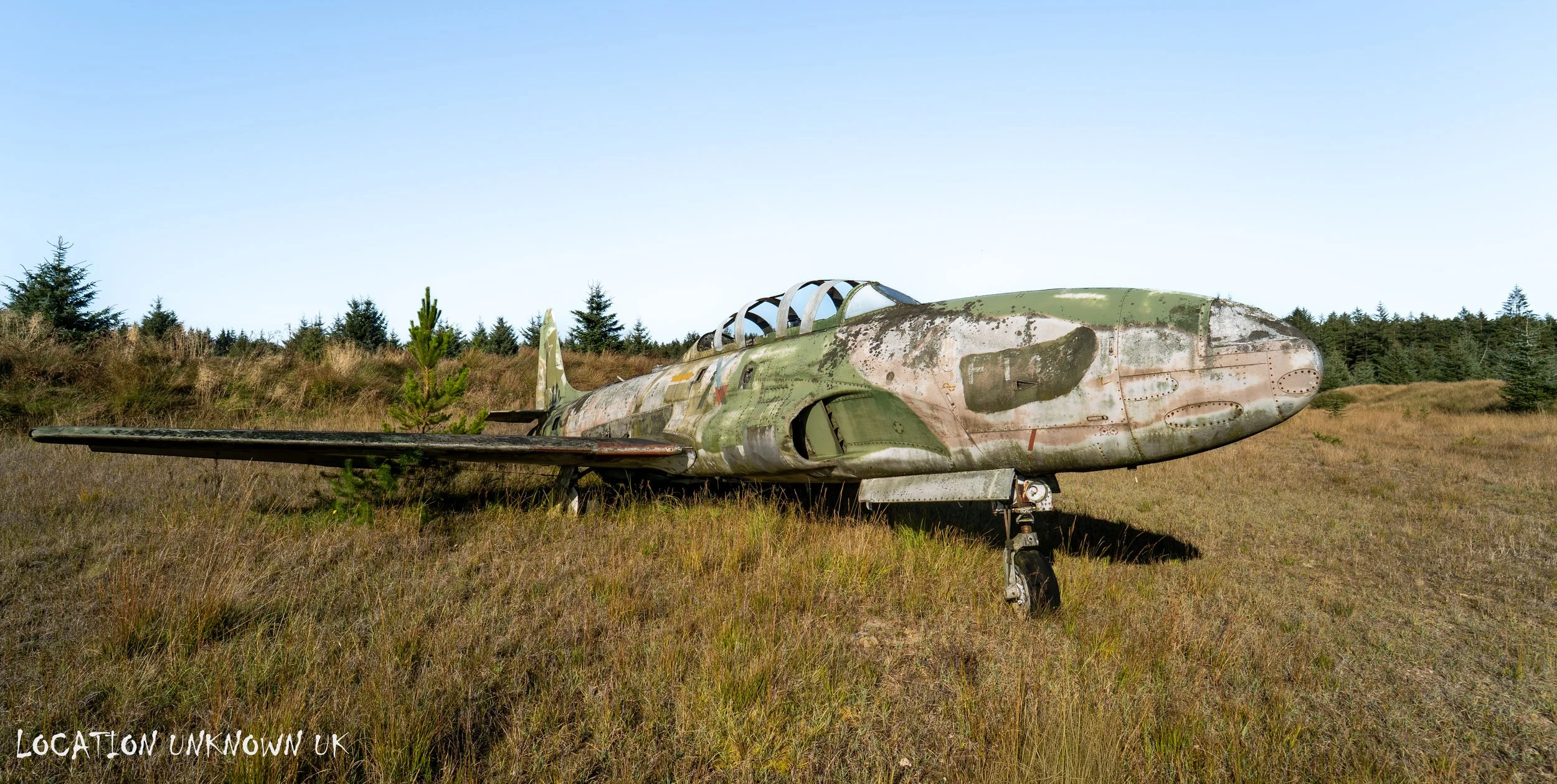
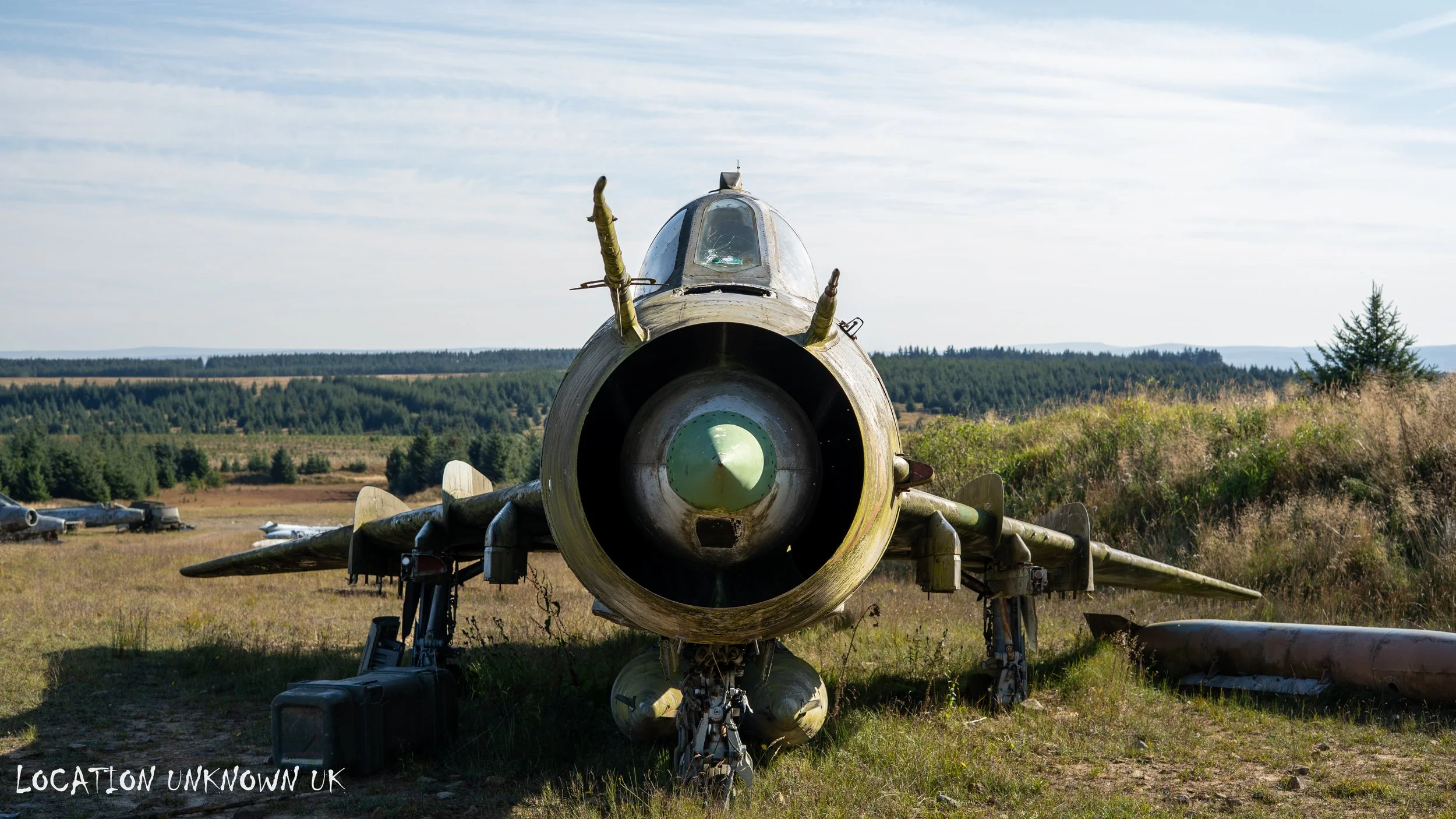
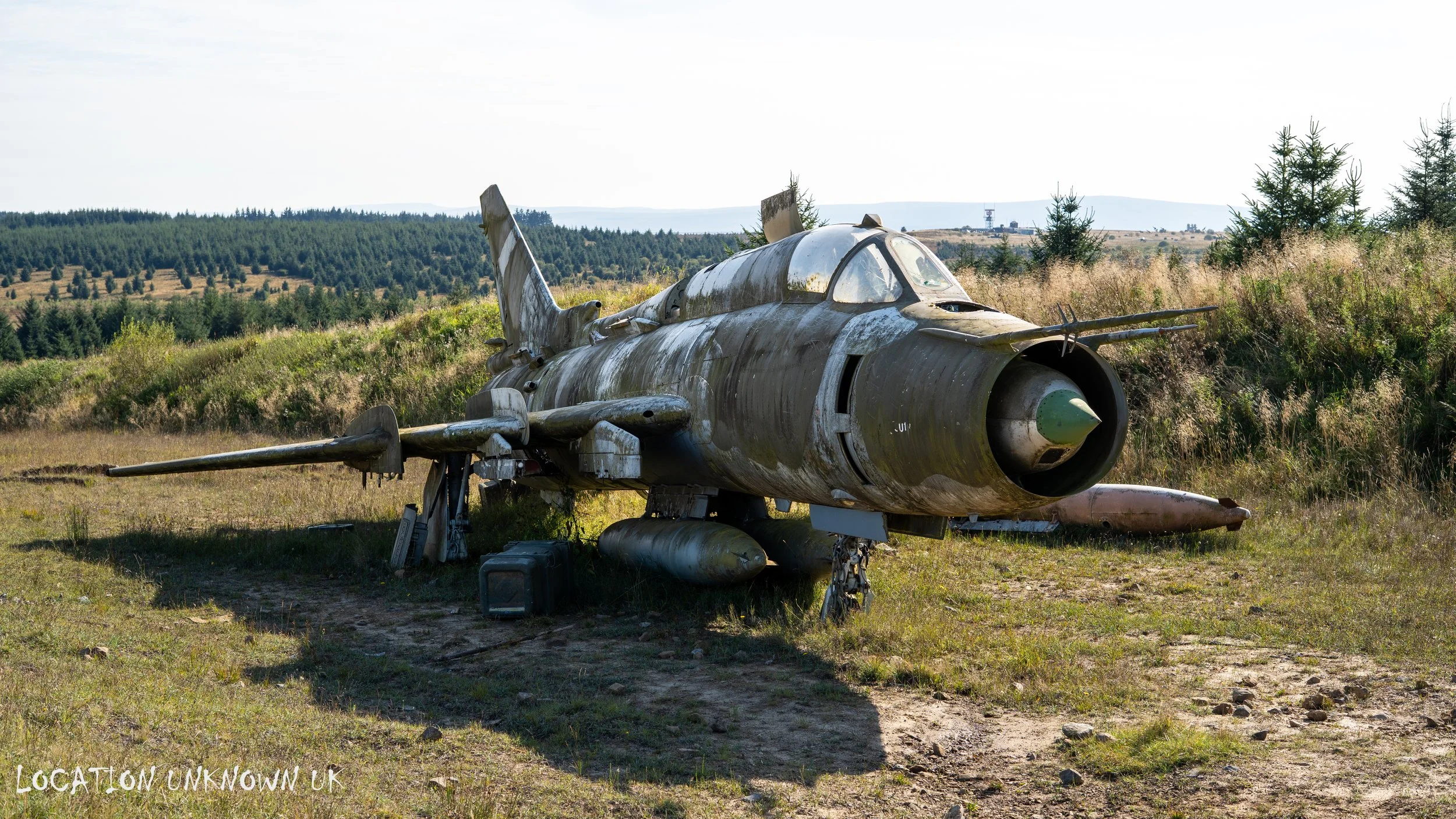
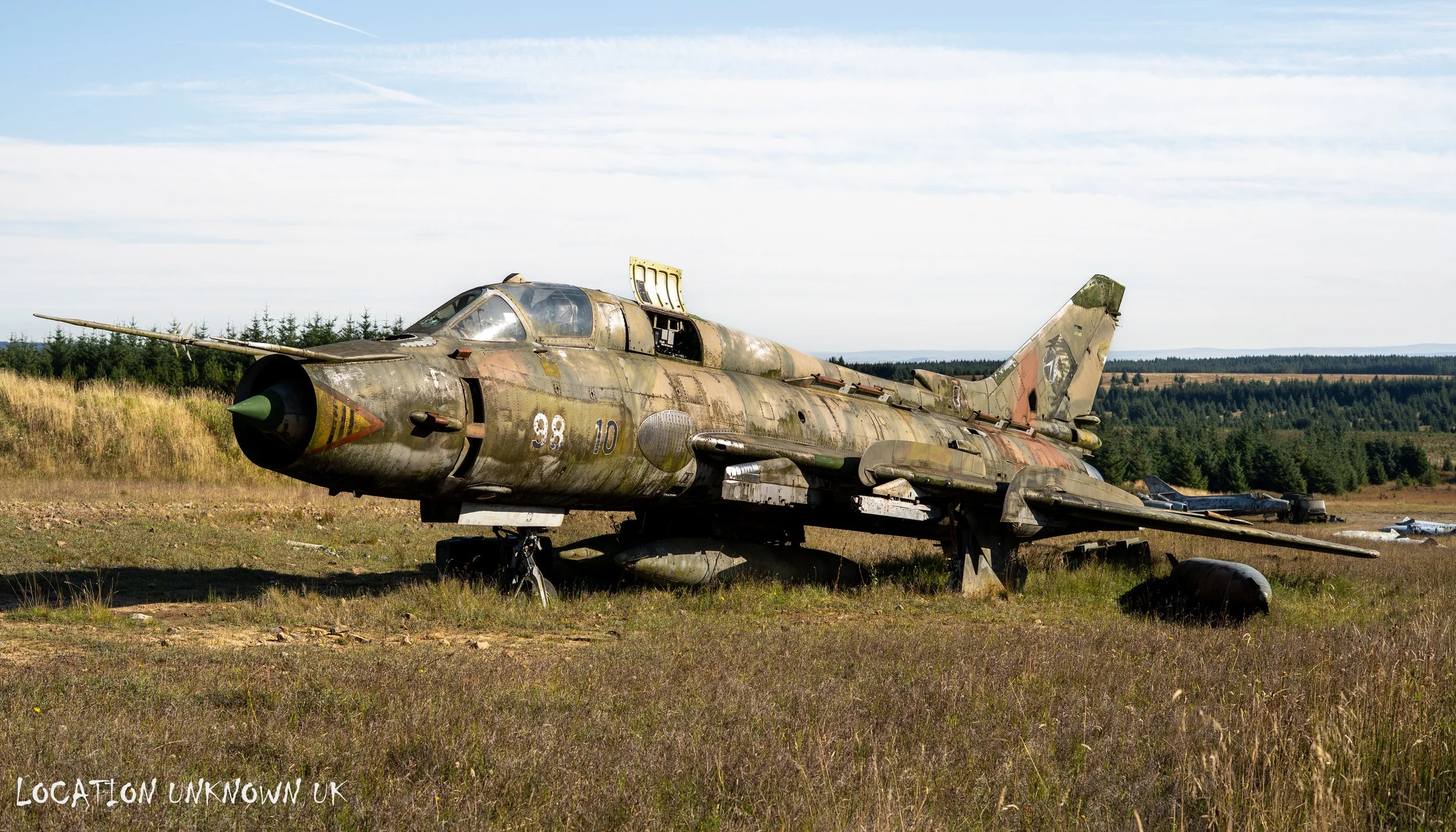
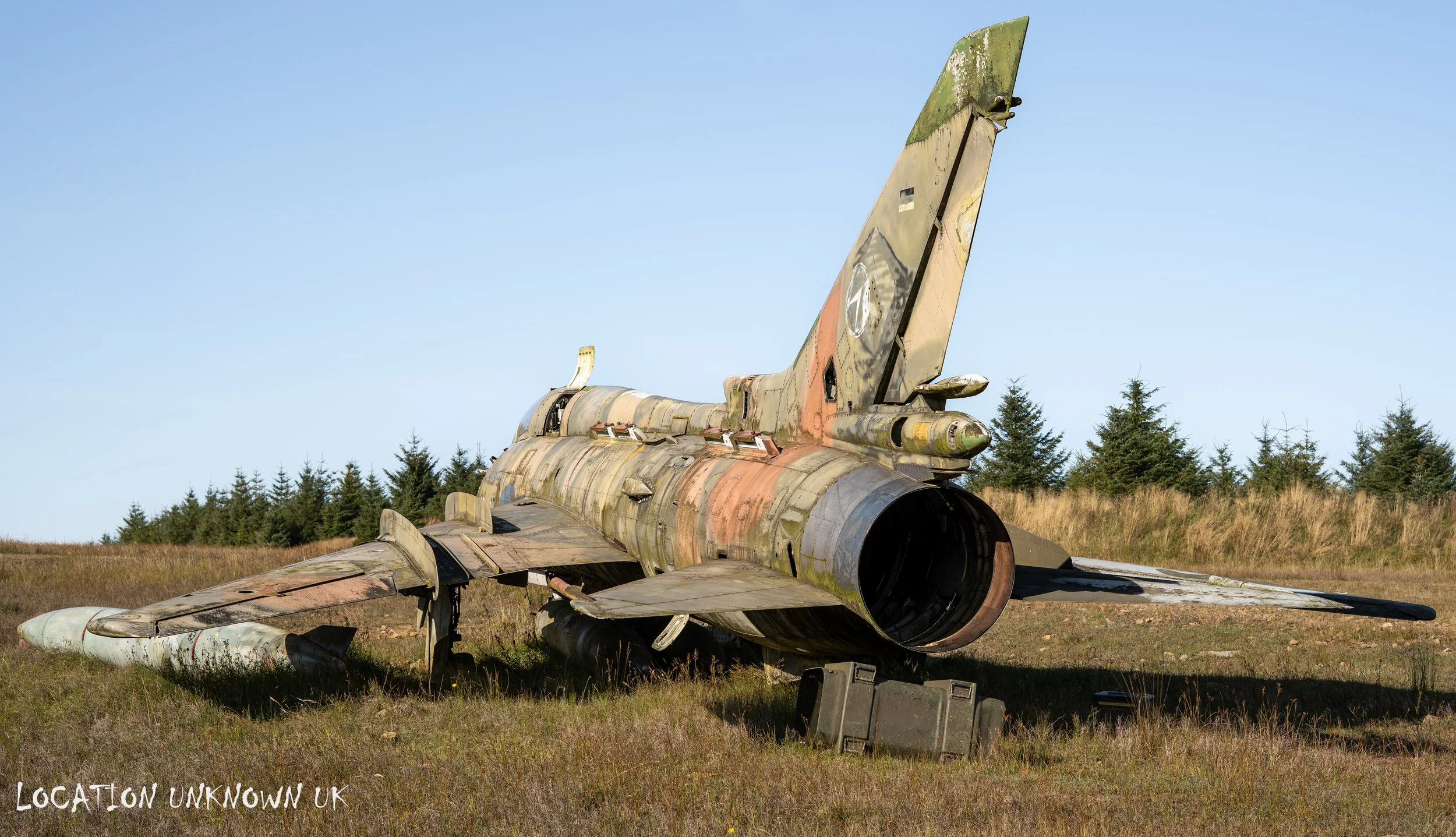
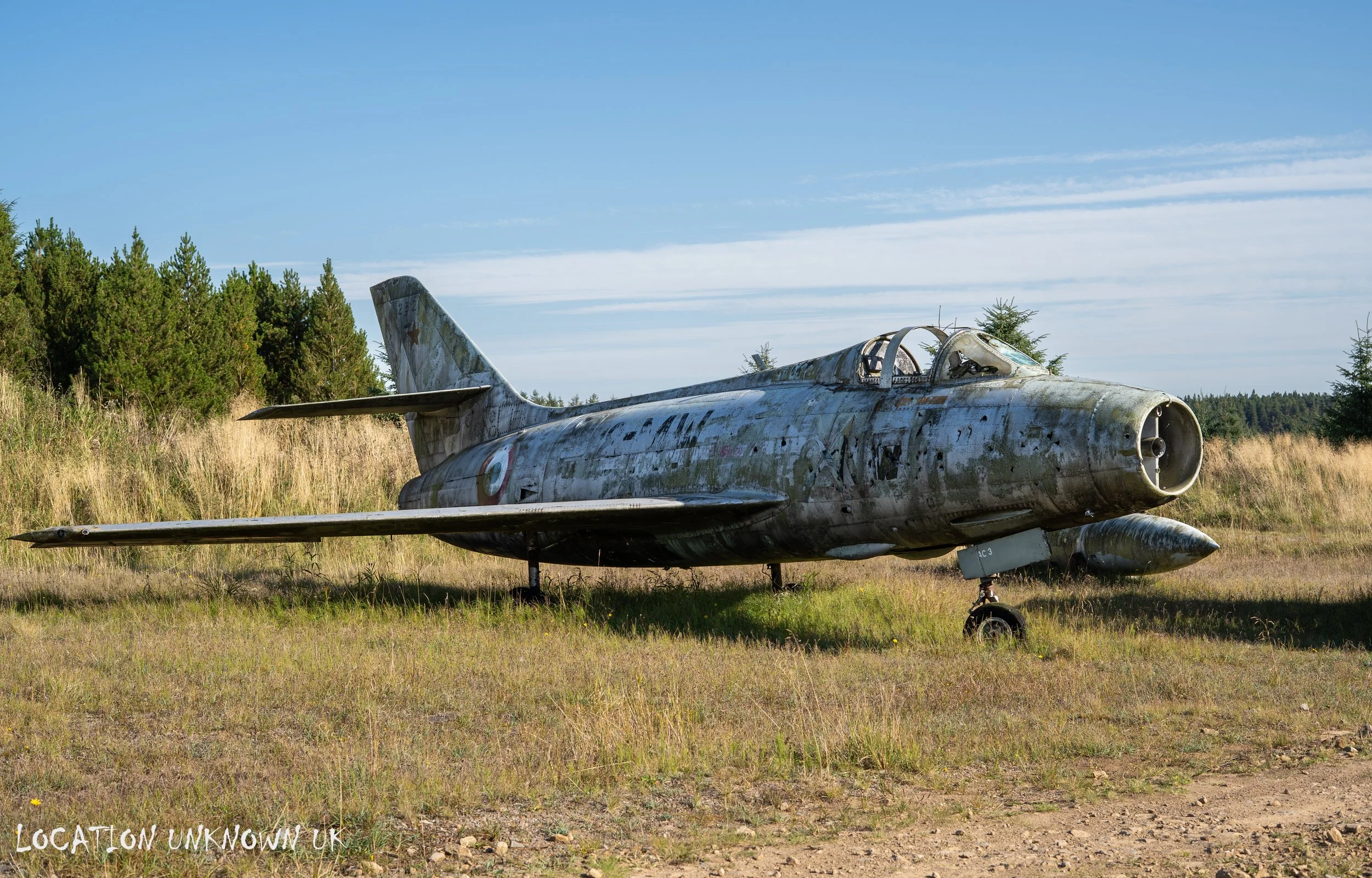
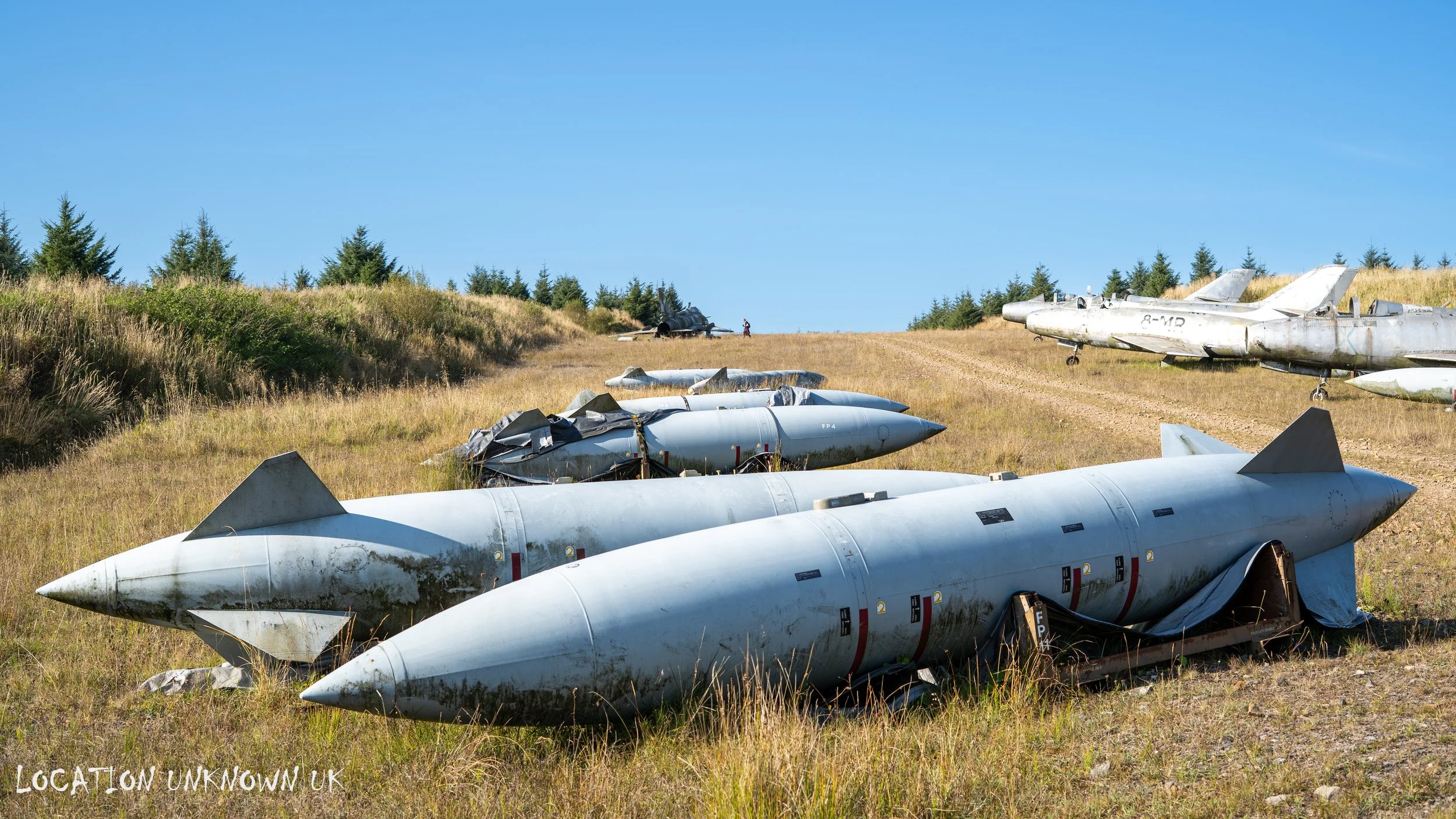
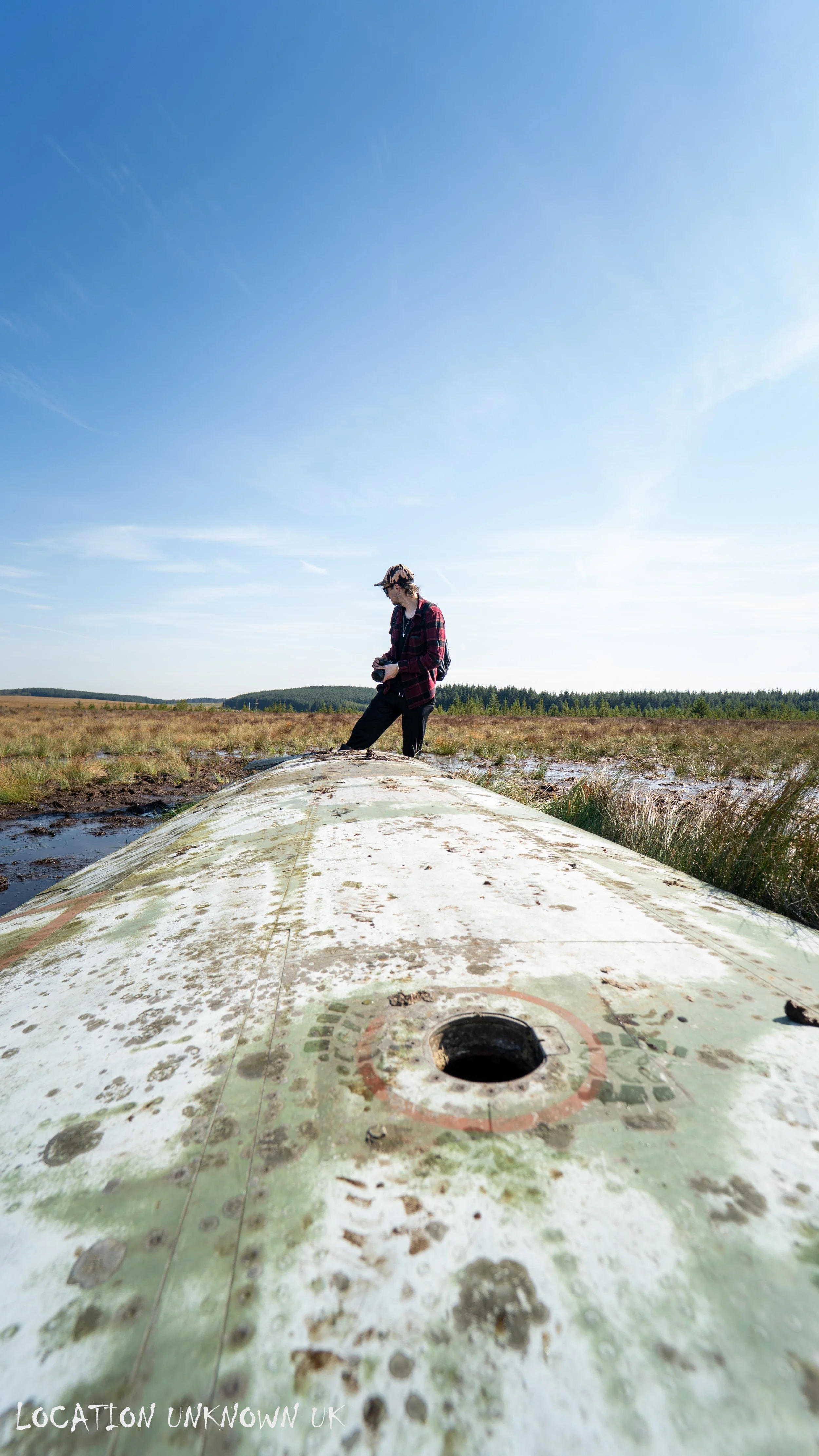
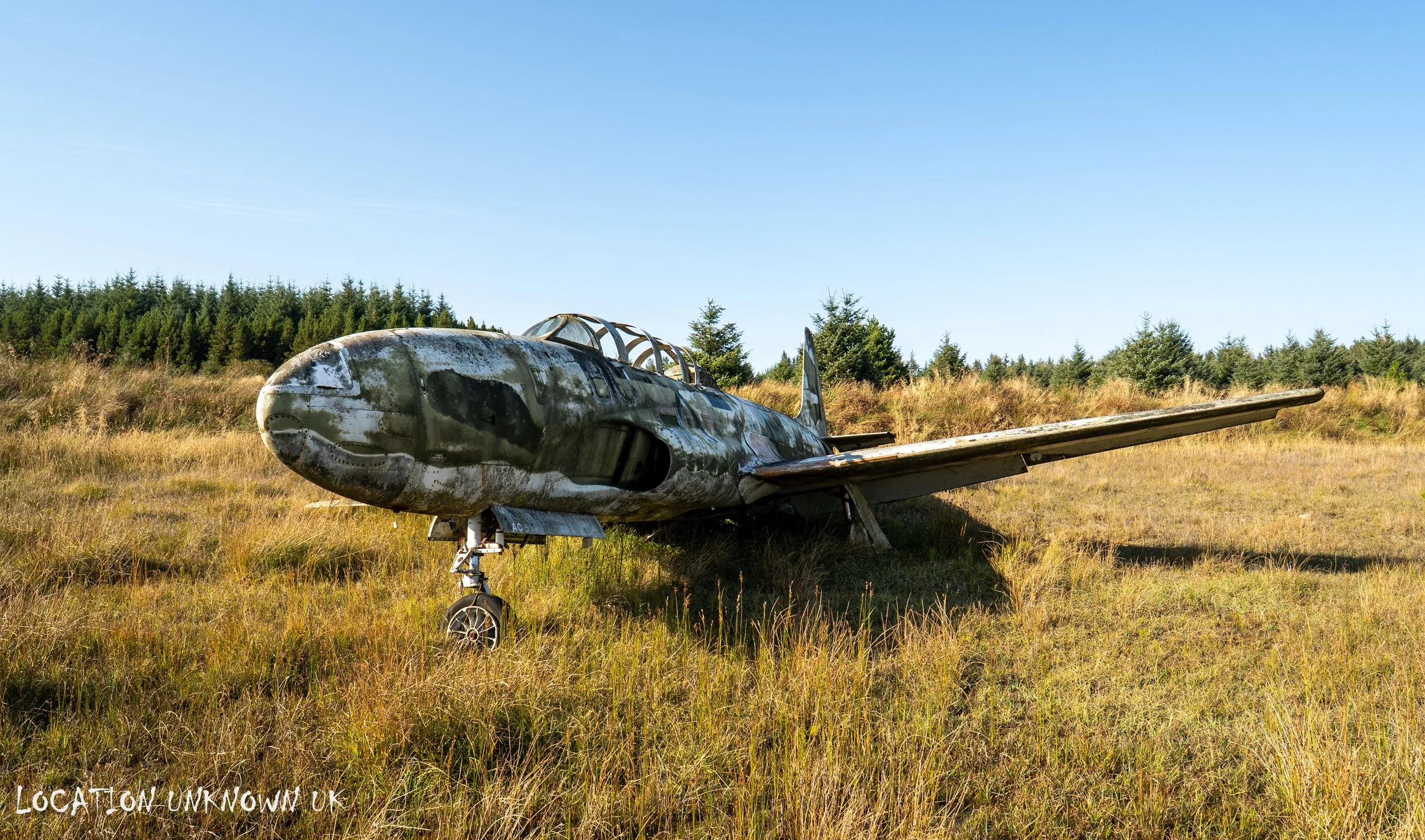
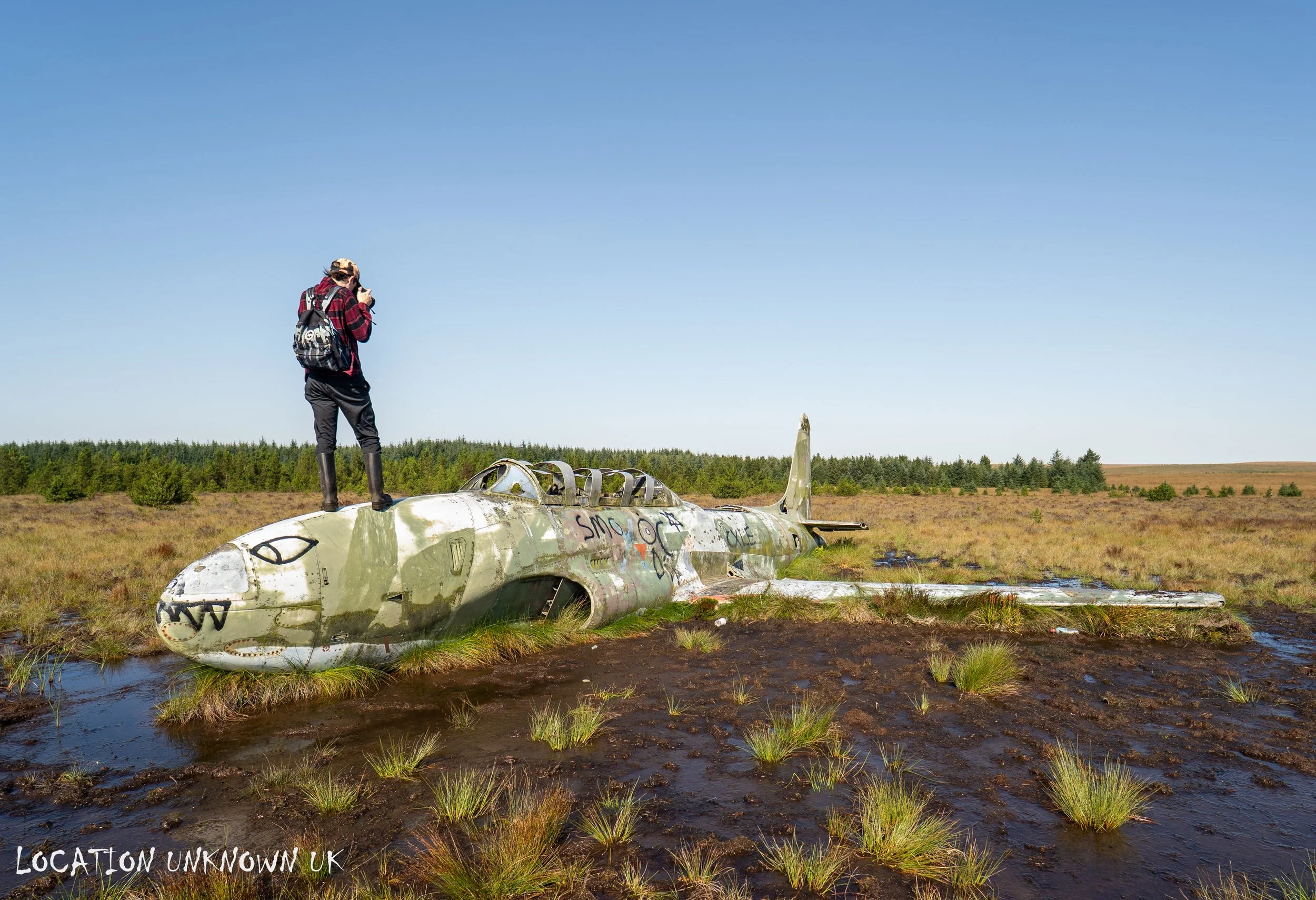
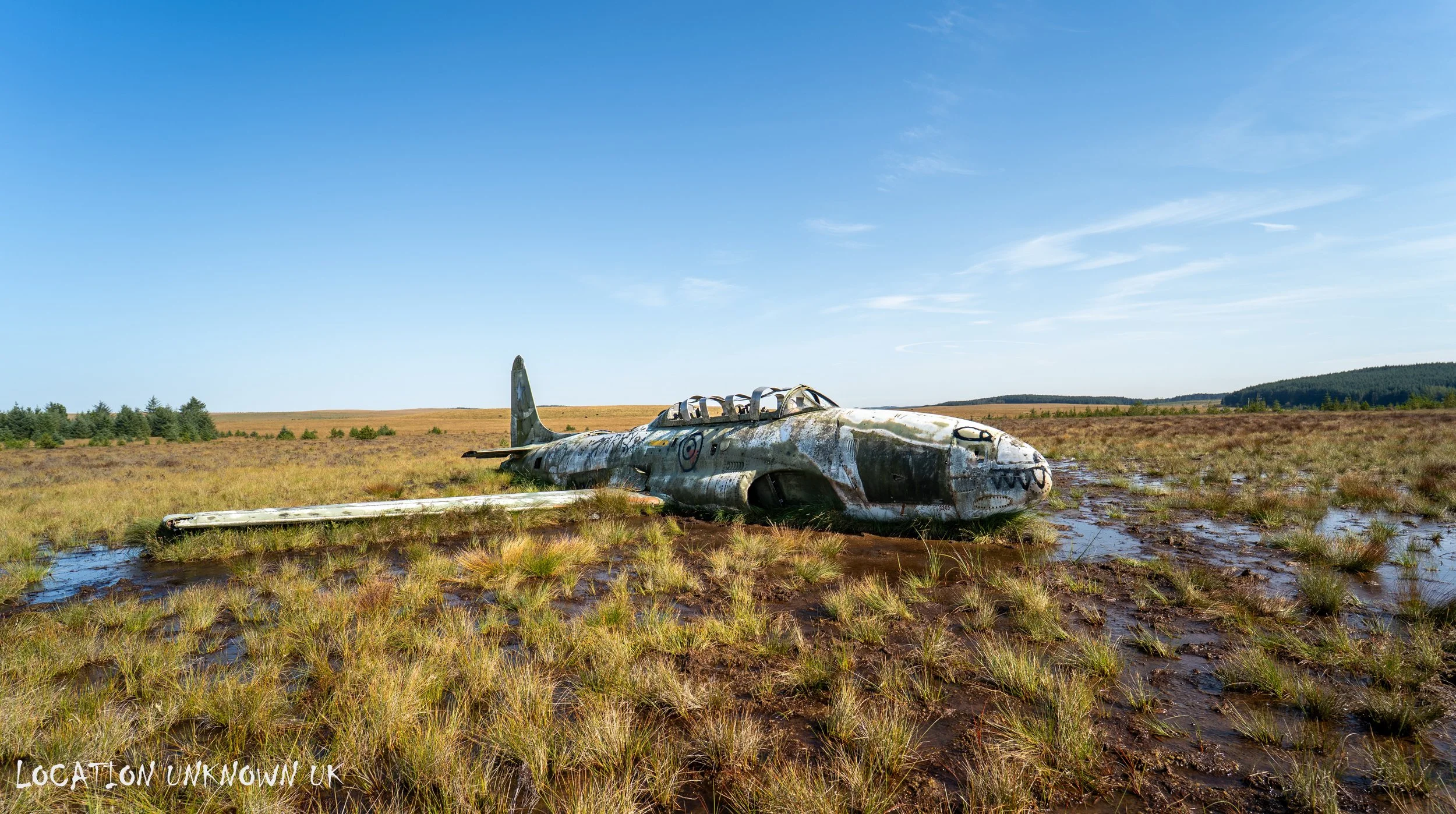
The unforgiving terrain made progress slow and exhausting, and between the constant falling over and the heat, it was becoming genuinely stressful. A quick look at the map showed a small forest separating us from our first target, the disused fighter jets, but as we approached the tree line, things went from bad to worse.
The bog pits here were filled with water and deeper than anything we’d encountered all morning. There was no way around them either; every alternative route we tried would have meant a swim. It wasn’t until we heard Gronk completely lose his rag and appear around the corner, seemingly after having most of his body submerged, that we made a partial retreat.
We had to decide what to do next. We were all on the verge of turning back and calling it a day, but I hated the idea of going through all that just to give up at the final obstacle. I managed to convince the others that if we followed the edge of the forest for a few hundred metres, over a slightly better bog, it looked like there was a break in the trees we could slip through. After a lot of persuasion, and the reminder that I was driving (so if they said no, they’d be waiting in the car for me anyway), they reluctantly followed.
By now the heat was becoming uncomfortable, and I’d foolishly not brought enough water. Dan also lost his bottle while falling into the bog, which made me even more eager to push on. Luckily, the break in the forest was passable, and before long we were through.
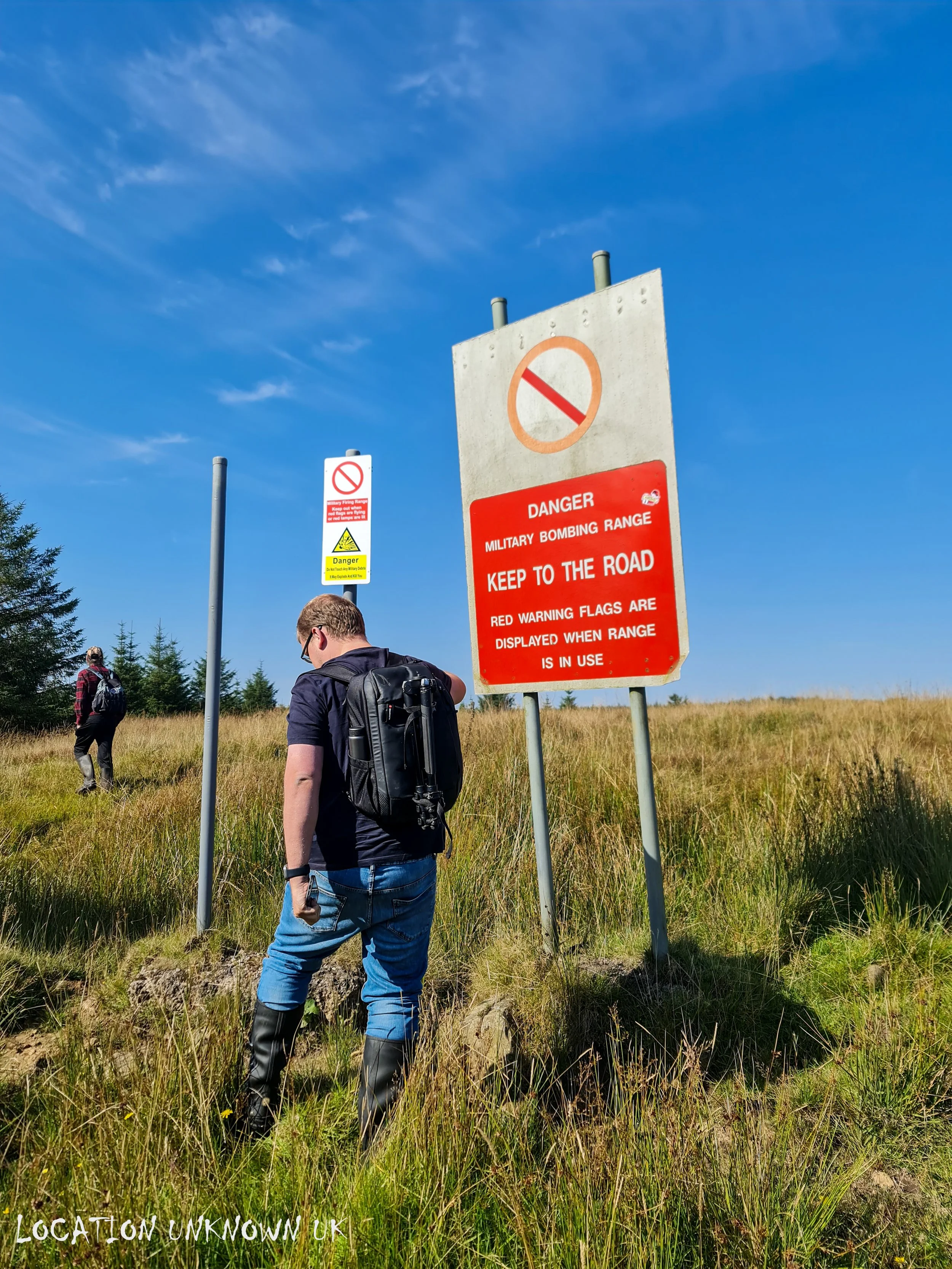
The rest of the day saw stress replaced by anxiety. In the distance, we could hear what sounded like target practice and could only hope they weren’t aiming in our direction. Every so often, the rumble of nearby vehicles would send us all instinctively dropping low behind whatever cover we could find. We eventually left as dusk approached, finding a way out that while quicker, still involved more of the same awful terrain.
Gronk shadowboxing on the hillside in pure frustration is a core memory I won’t ever forget.
History
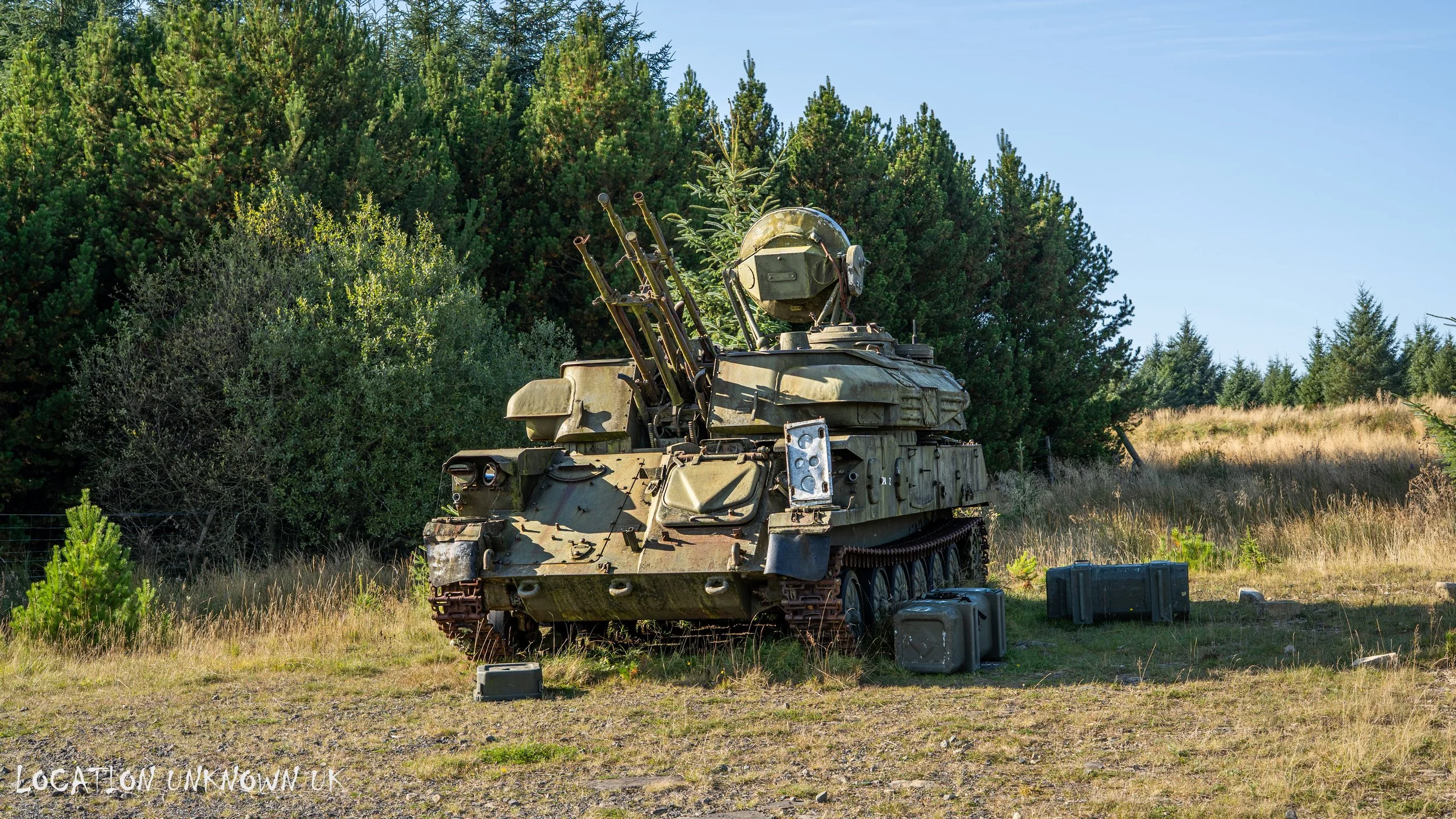
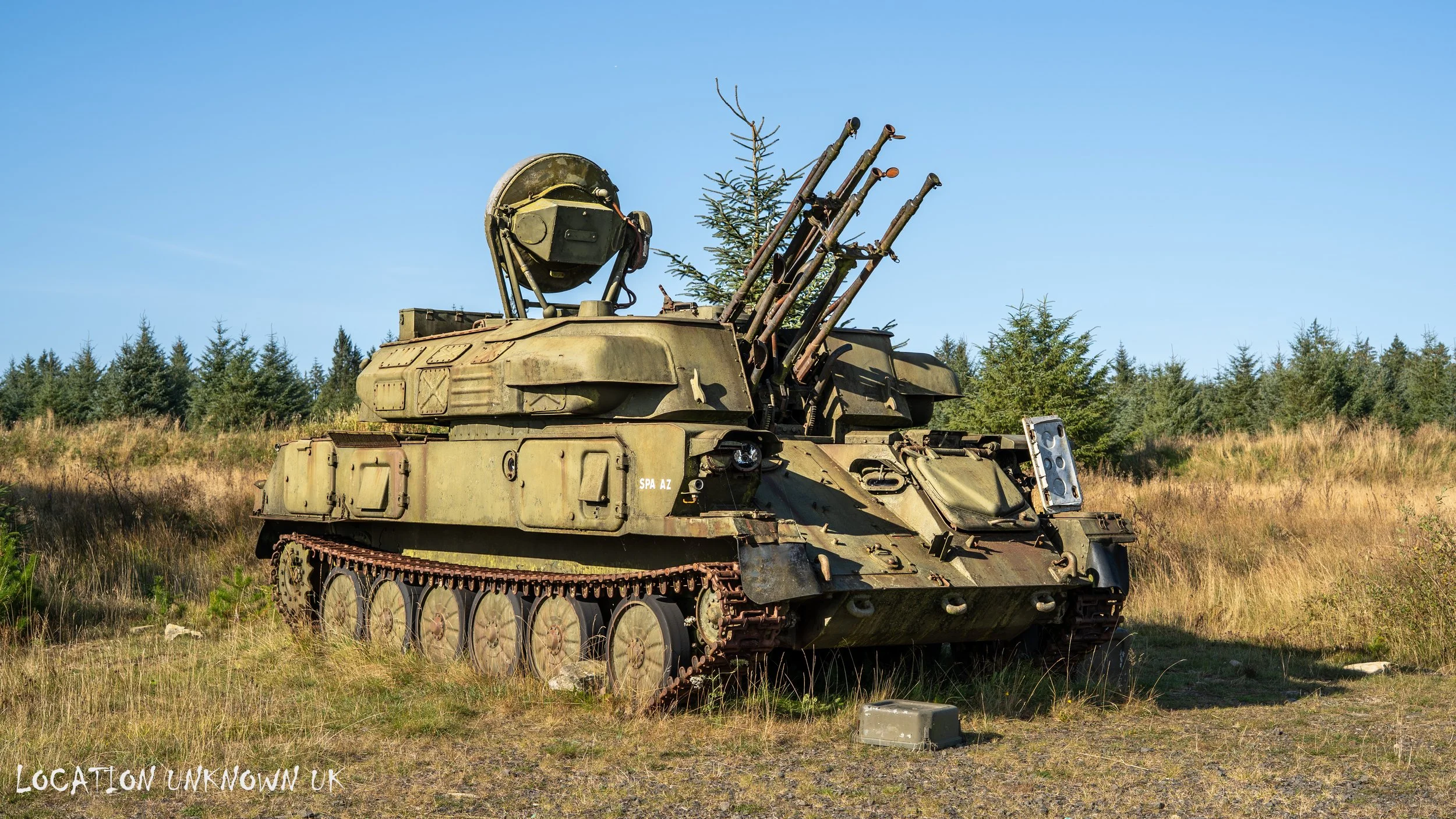
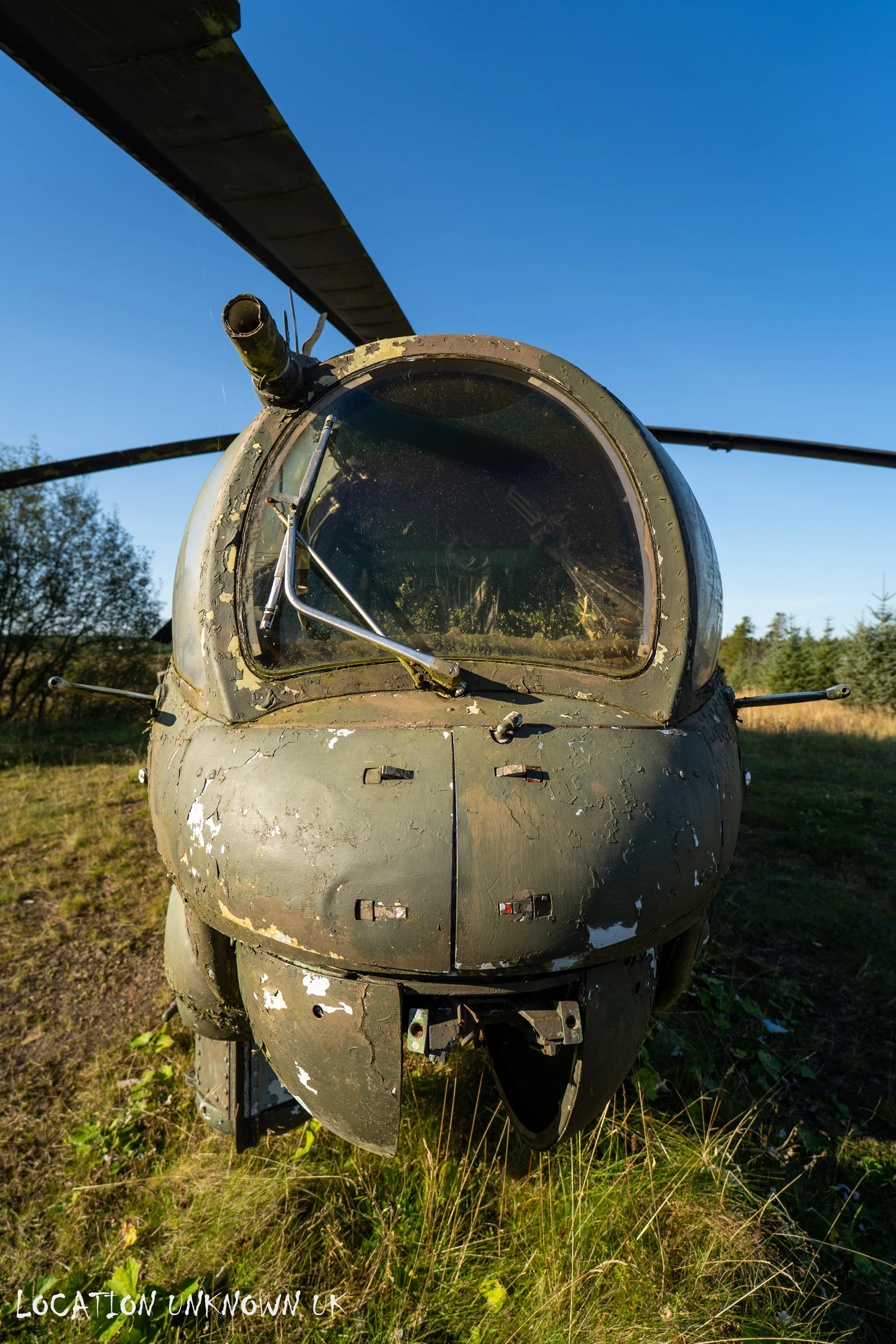
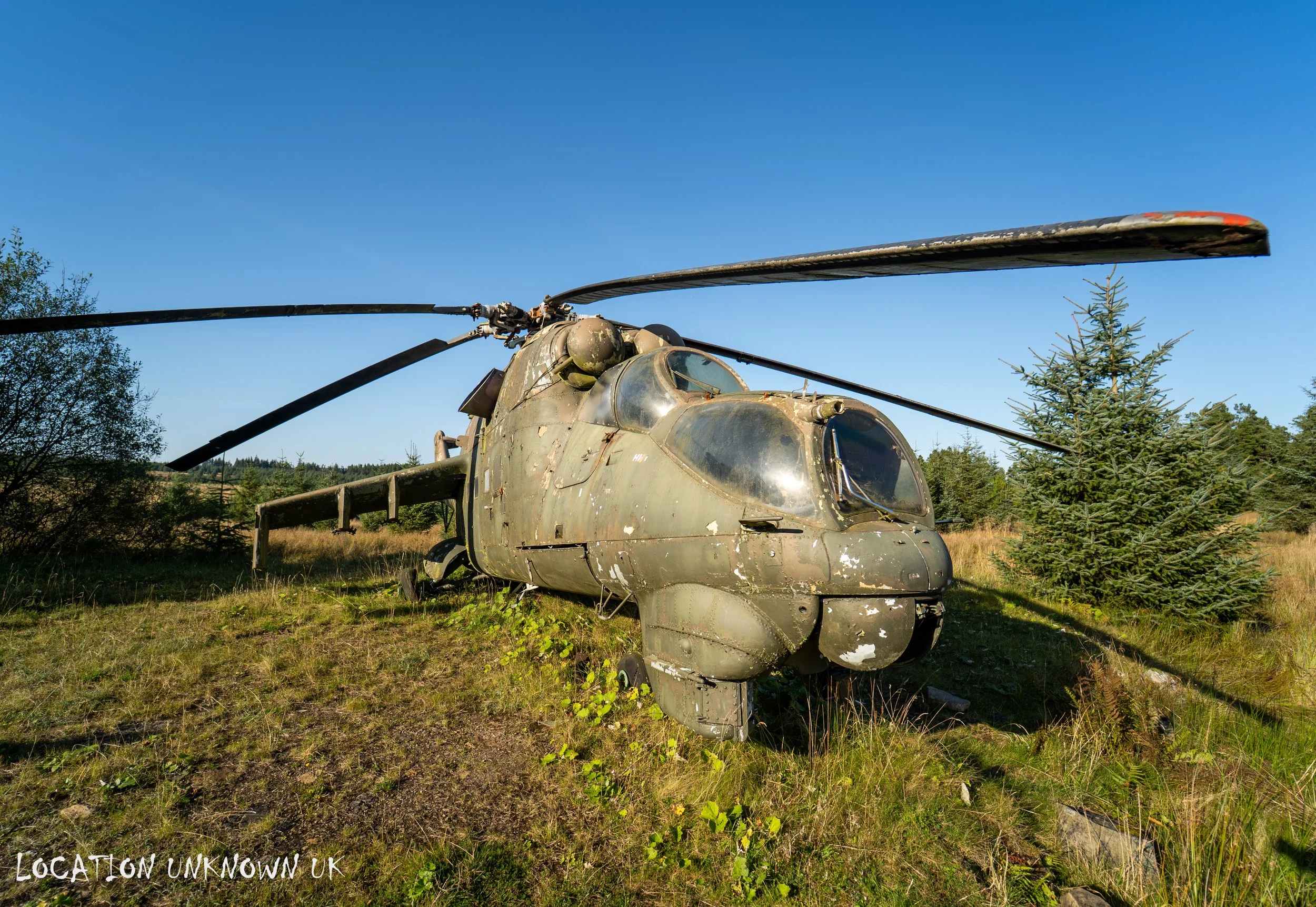
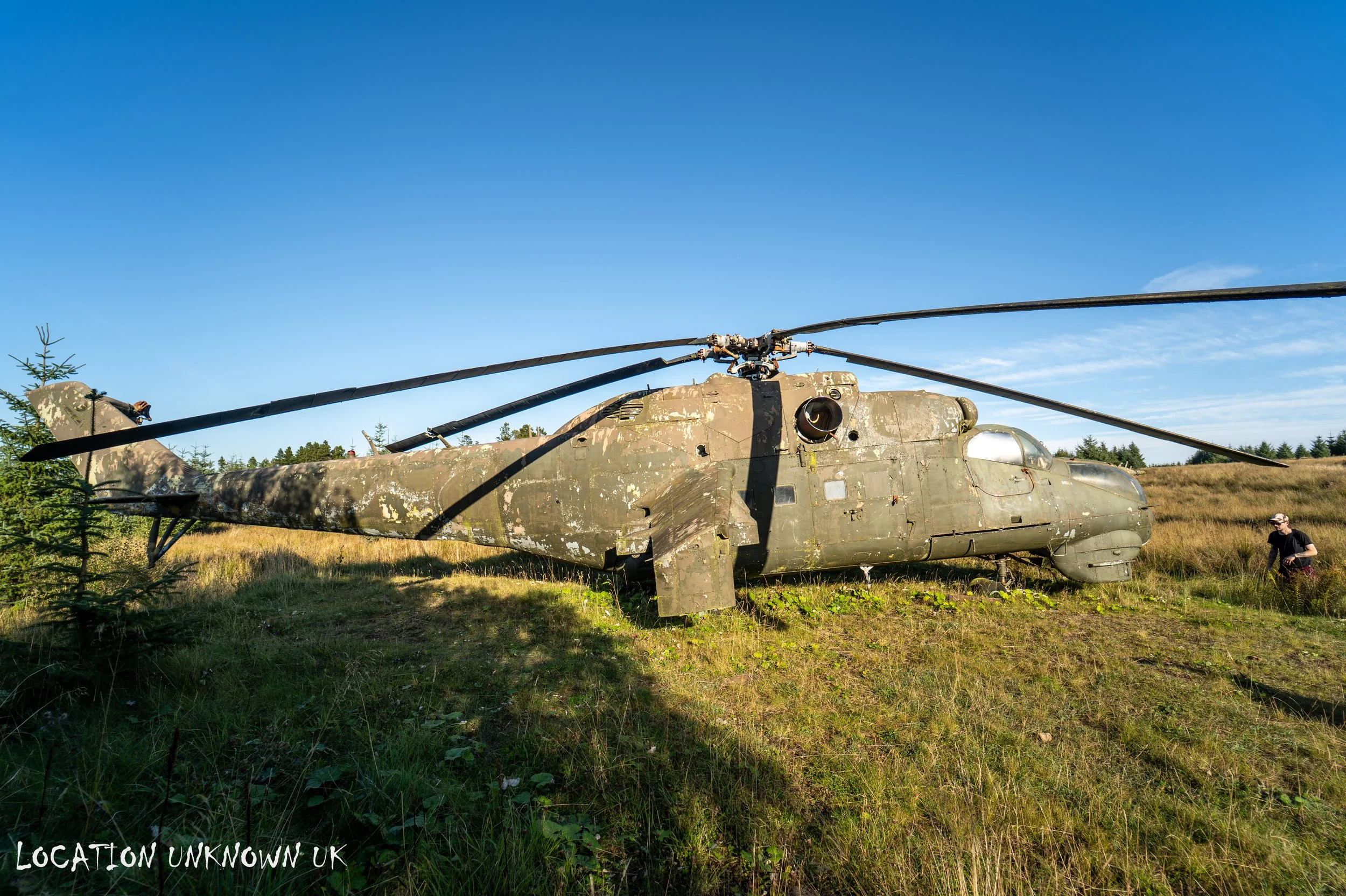
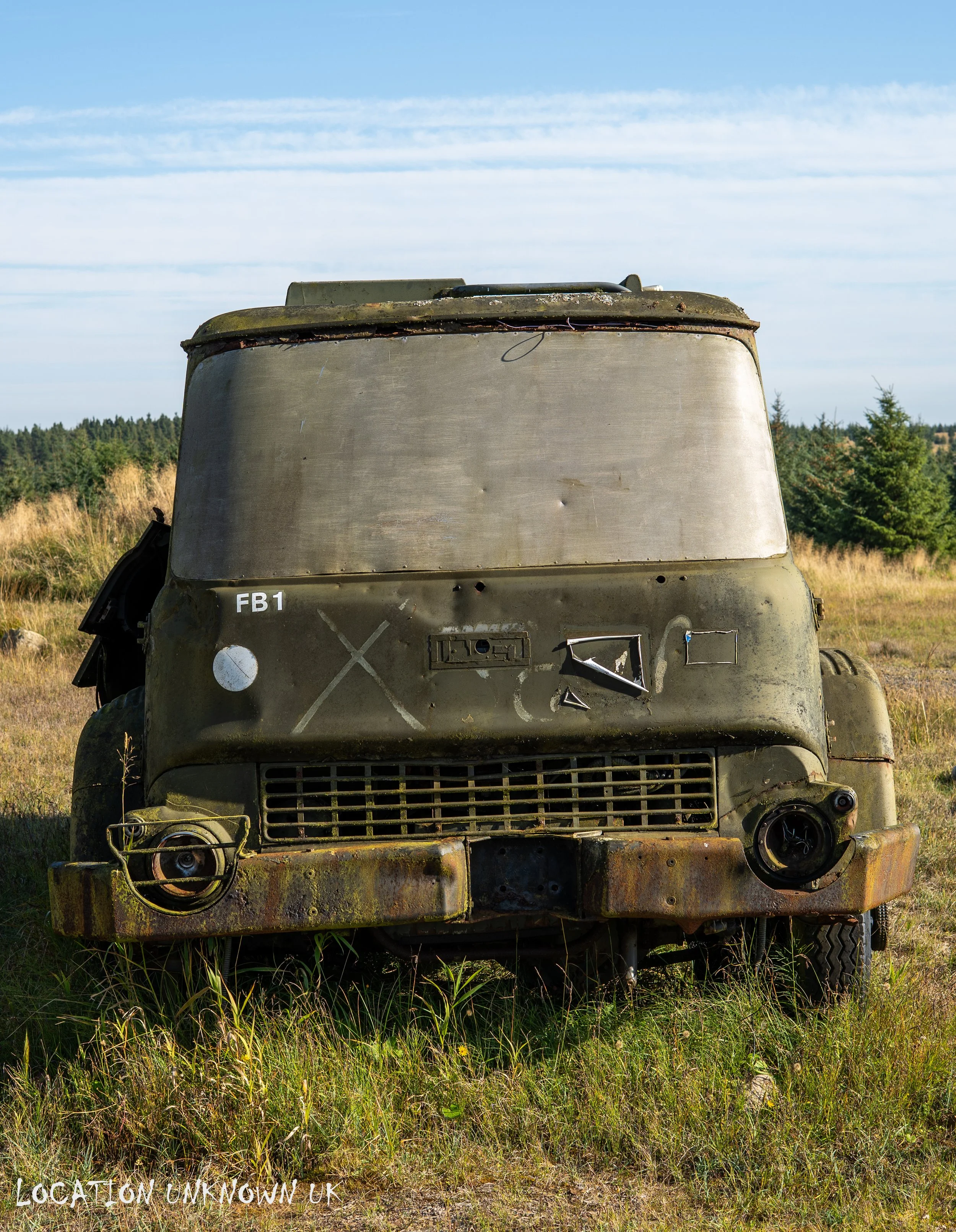
This site forms part of a large, remote military range in northern England whose origins lie in the early Cold War. Developed in the late 1950s, the area was initially established as a major national rocket testing facility, chosen specifically for its isolation, low population density, and challenging terrain. It became the principal location for testing large liquid fuel rocket engines, with some test firings producing thrust levels comparable to those of early space launch vehicles and generating exhaust plumes powerful enough to alter the surrounding landscape. Extensive infrastructure was constructed, including massive reinforced-concrete engine test stands, underground control bunkers, effluent channels, and on site industrial plants capable of producing liquid oxygen. At its peak, the complex represented one of the most advanced rocket development facilities in Western Europe. However, the missile programme was cancelled at an early stage for strategic and political reasons, leaving many structures incomplete, mothballed, or later adapted for alternative uses. From the mid-1970s onward, the site was transferred to air force control and transformed into a specialised electronic warfare and weapons training range, a role it continues to fulfil. It became one of the few locations in Europe where aircrews could train against realistic, integrated threat environments, including simulated enemy radar systems and defended targets spread across a vast area of open moorland. As part of this function, realistic ground targets were deliberately placed across the range, including decommissioned aircraft, armoured vehicles, helicopters, and support equipment arranged to replicate operational airfields and battlefield scenarios. These objects, often heavily weathered and degraded by decades of exposure, are frequently mistaken for abandoned or crashed relics, but they are in fact intentional training assets rather than forgotten debris. The juxtaposition of Cold War rocket testing remains with later military target installations gives the area its distinctive and often misunderstood appearance. Despite its remote and seemingly desolate character, the land remains active military property, subject to restricted access due to live exercises, unexploded ordnance risks, and ongoing operational use.