Mow Cop Tramway Tunnel - Staffordshire
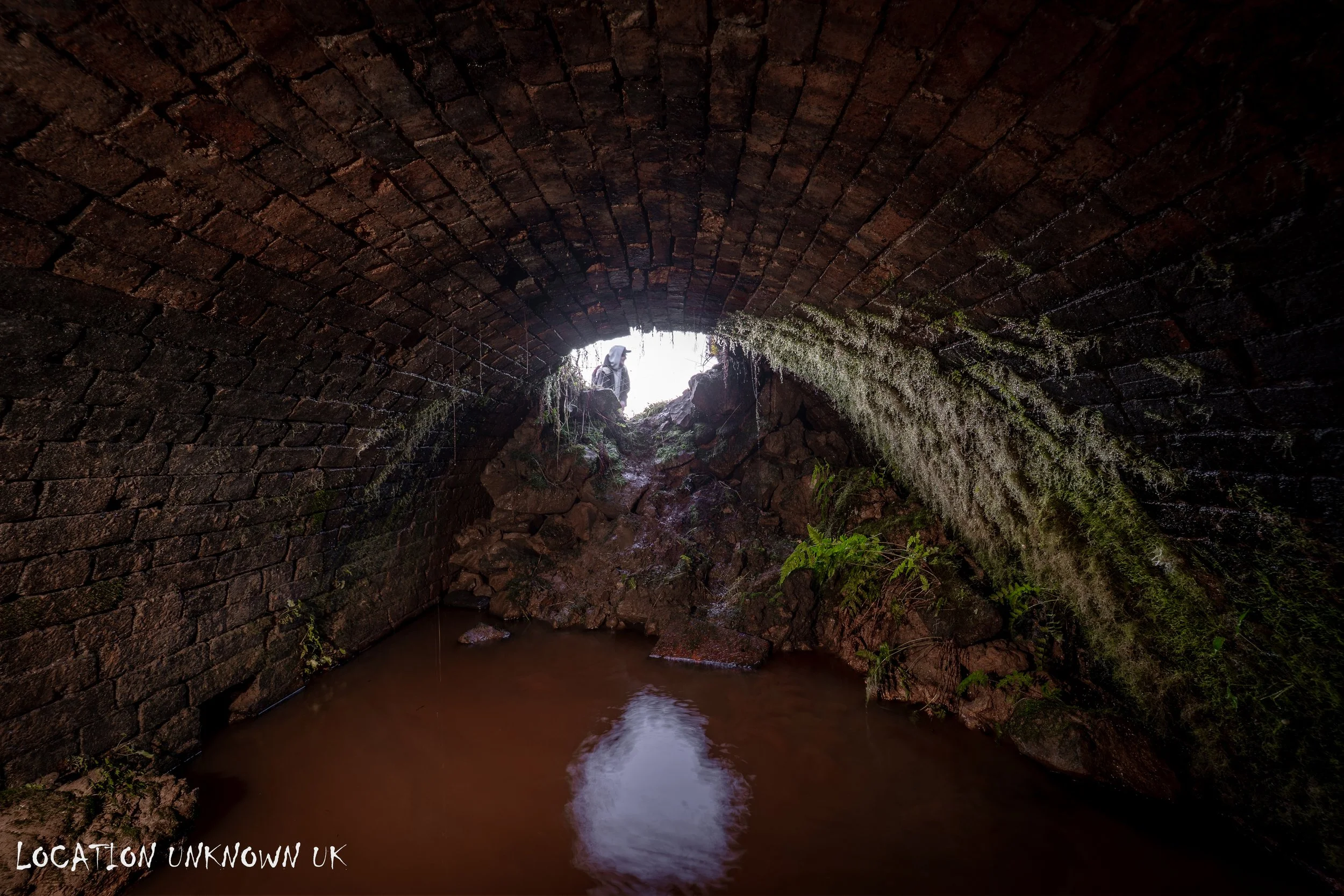
Having known about this tramway tunnel for a number of years, we decided that a freezing day in January, after heavy rainfall would make for a perfect time to visit. It was surprisingly easy to find, and we had more difficulty trying to park two cars on the narrow streets of Mow Cop than locating the western portal.
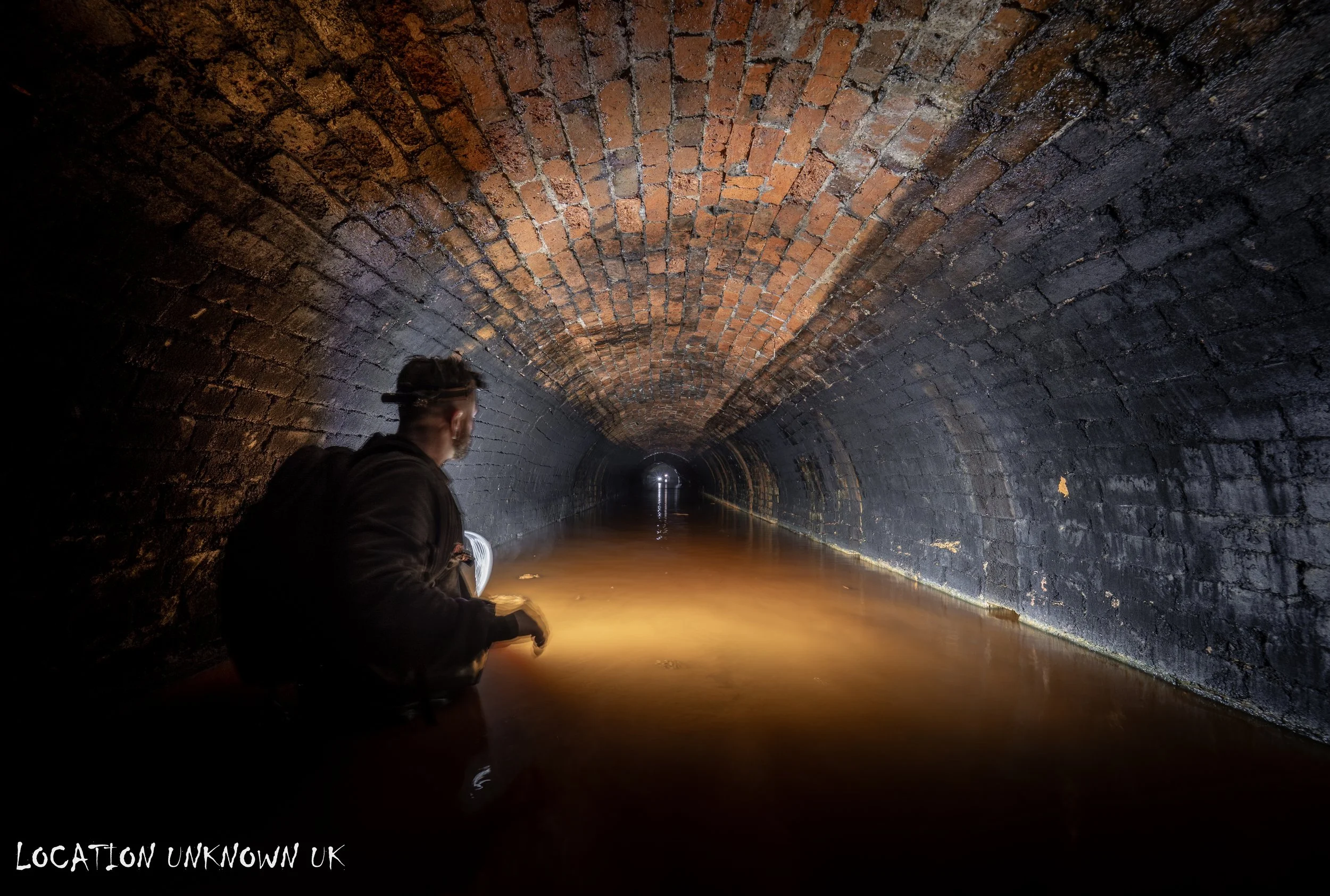
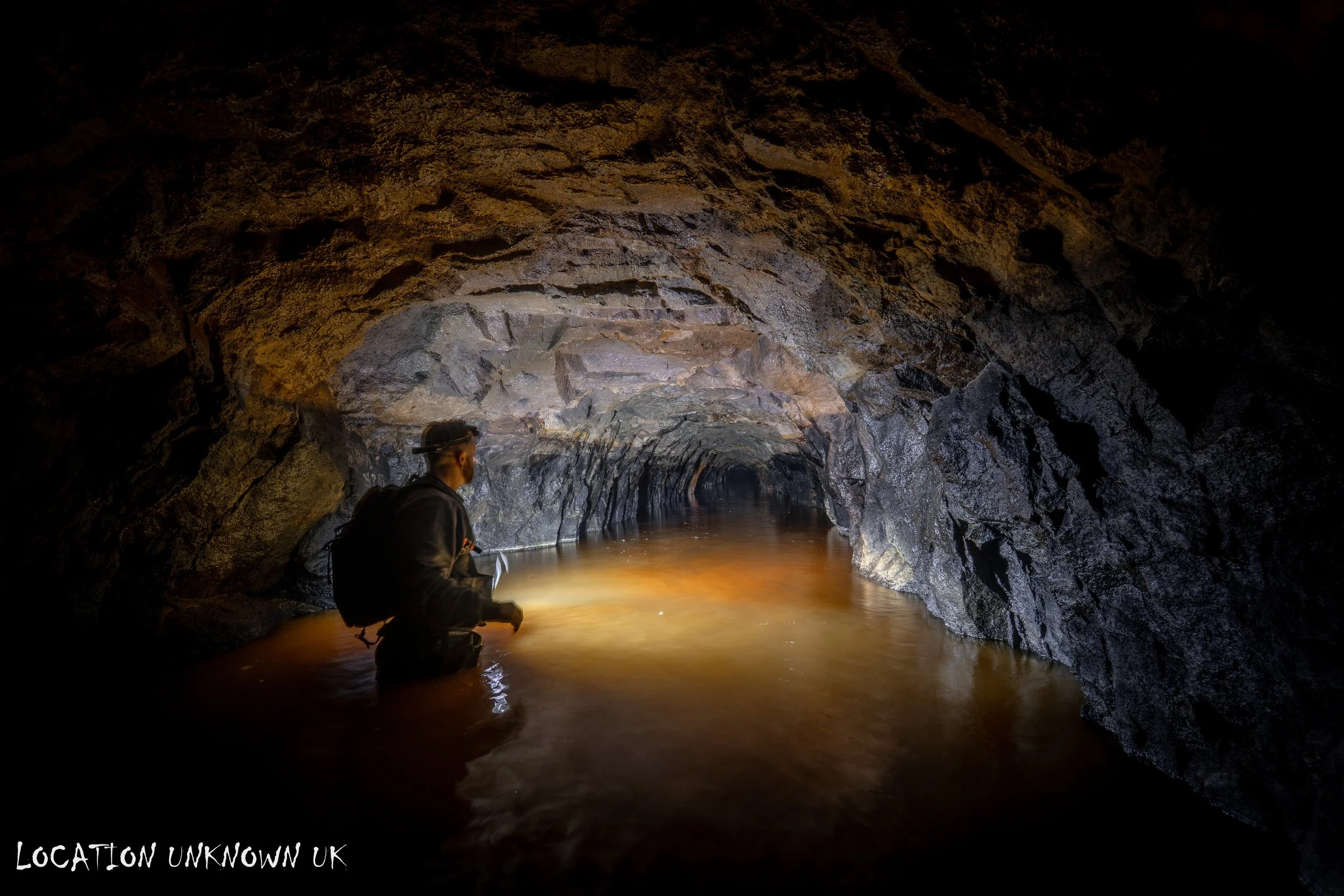
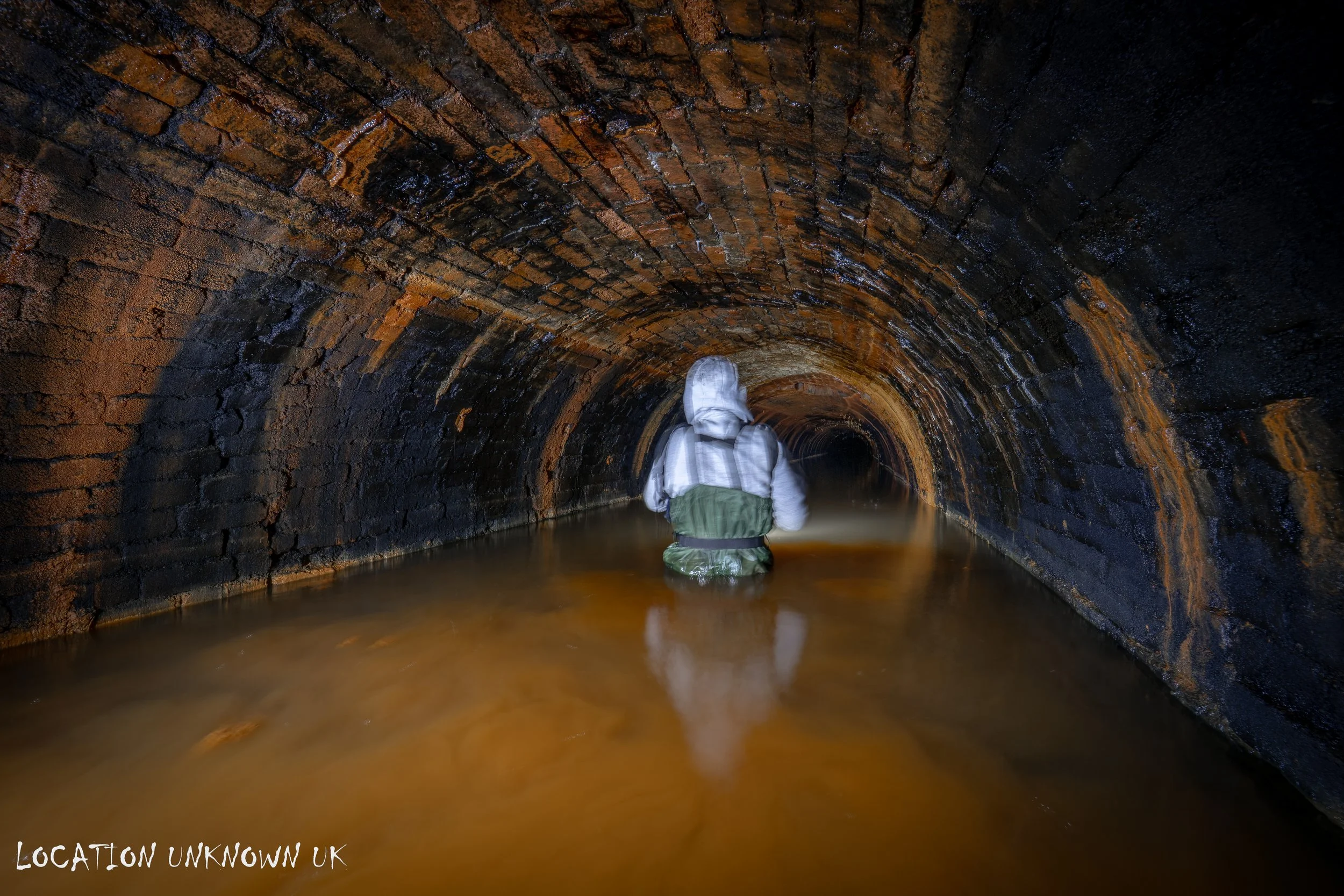
Being a small village, we tried to get as close by as possible to avoid arousing suspicion from the locals at the sight of three lads traipsing through the streets in waders and head torches and after slipping through the narrow streets without raising any eyebrows, we strolled across a field and immediately noticed a large dip in the landscape.
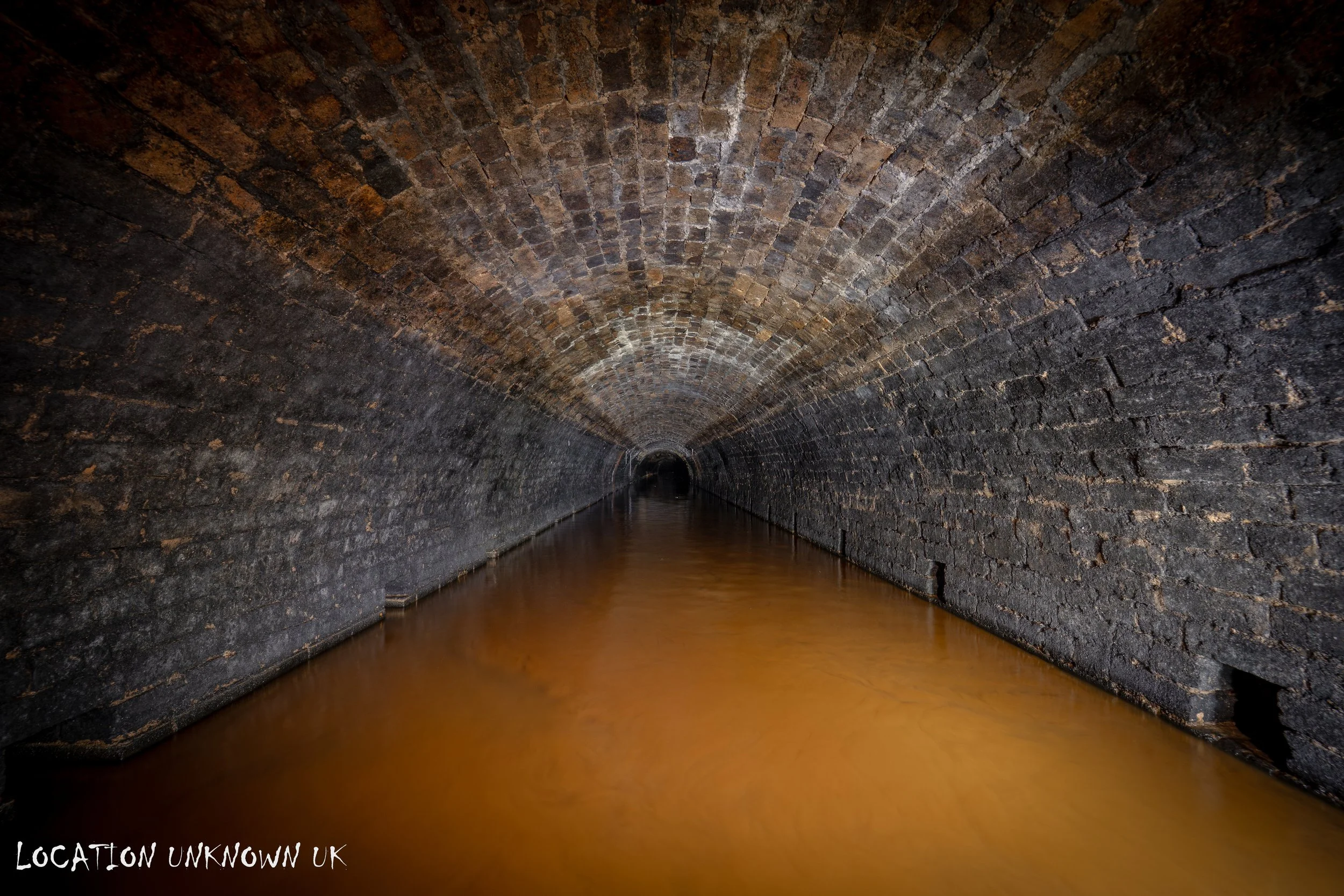
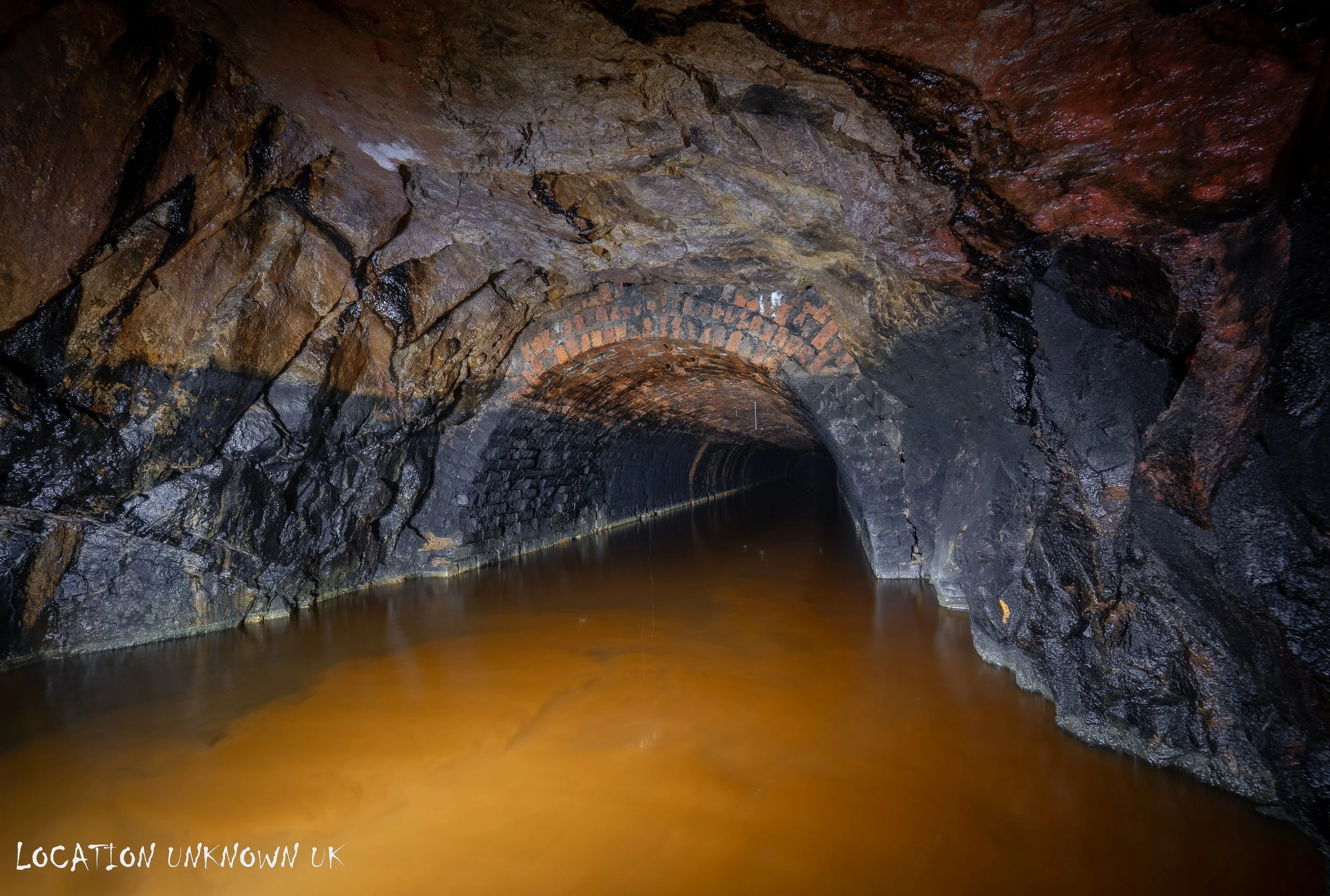
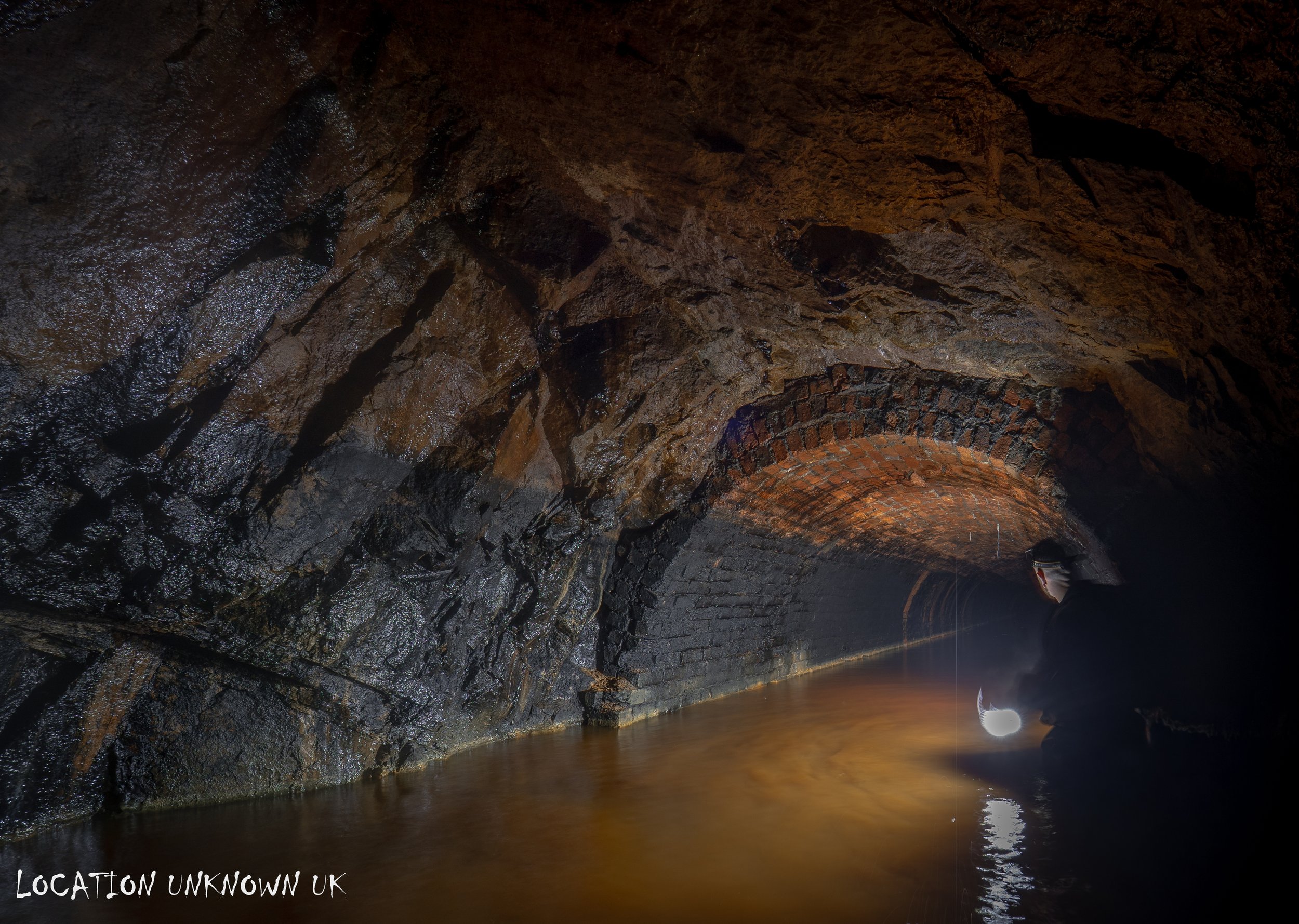
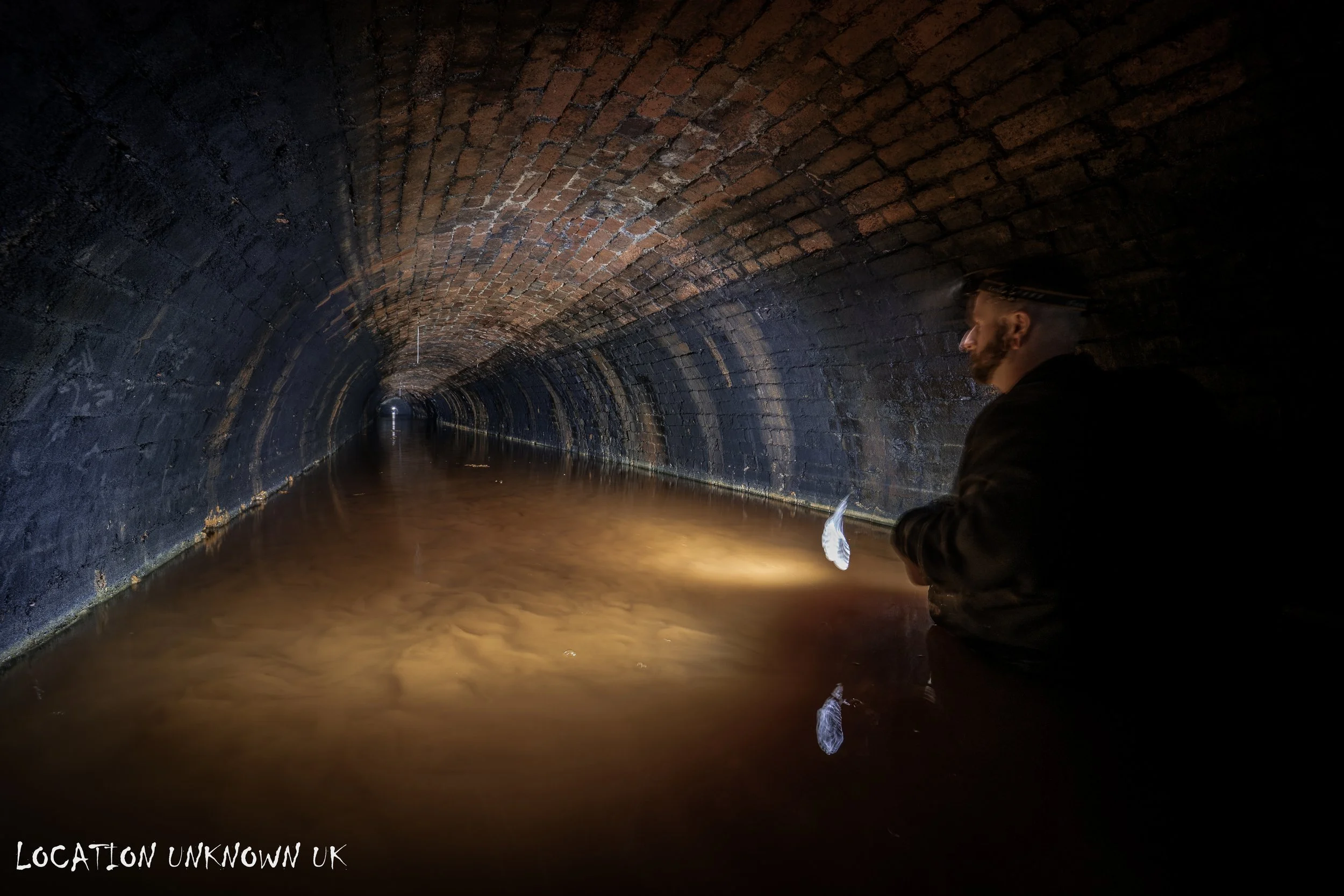
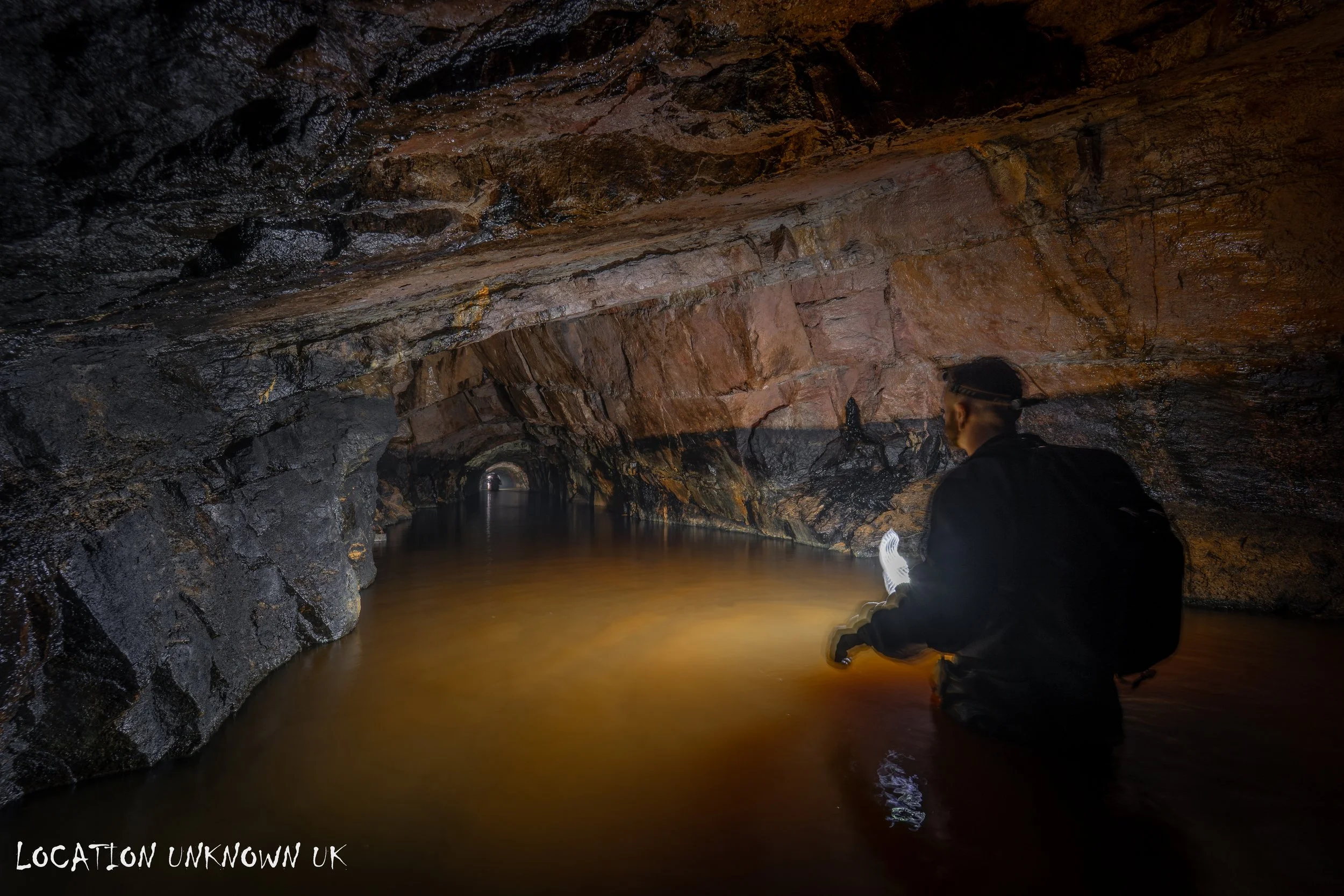
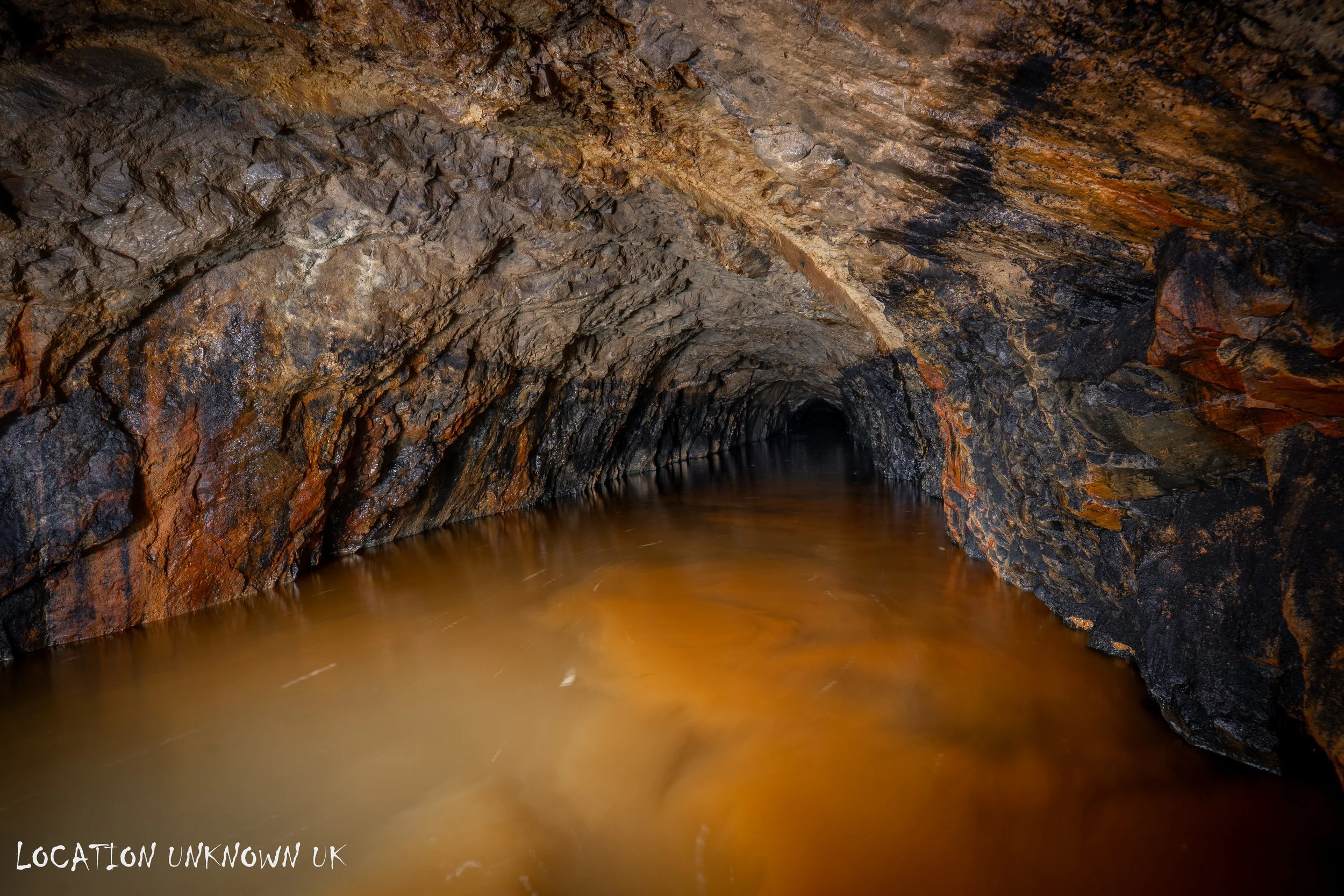
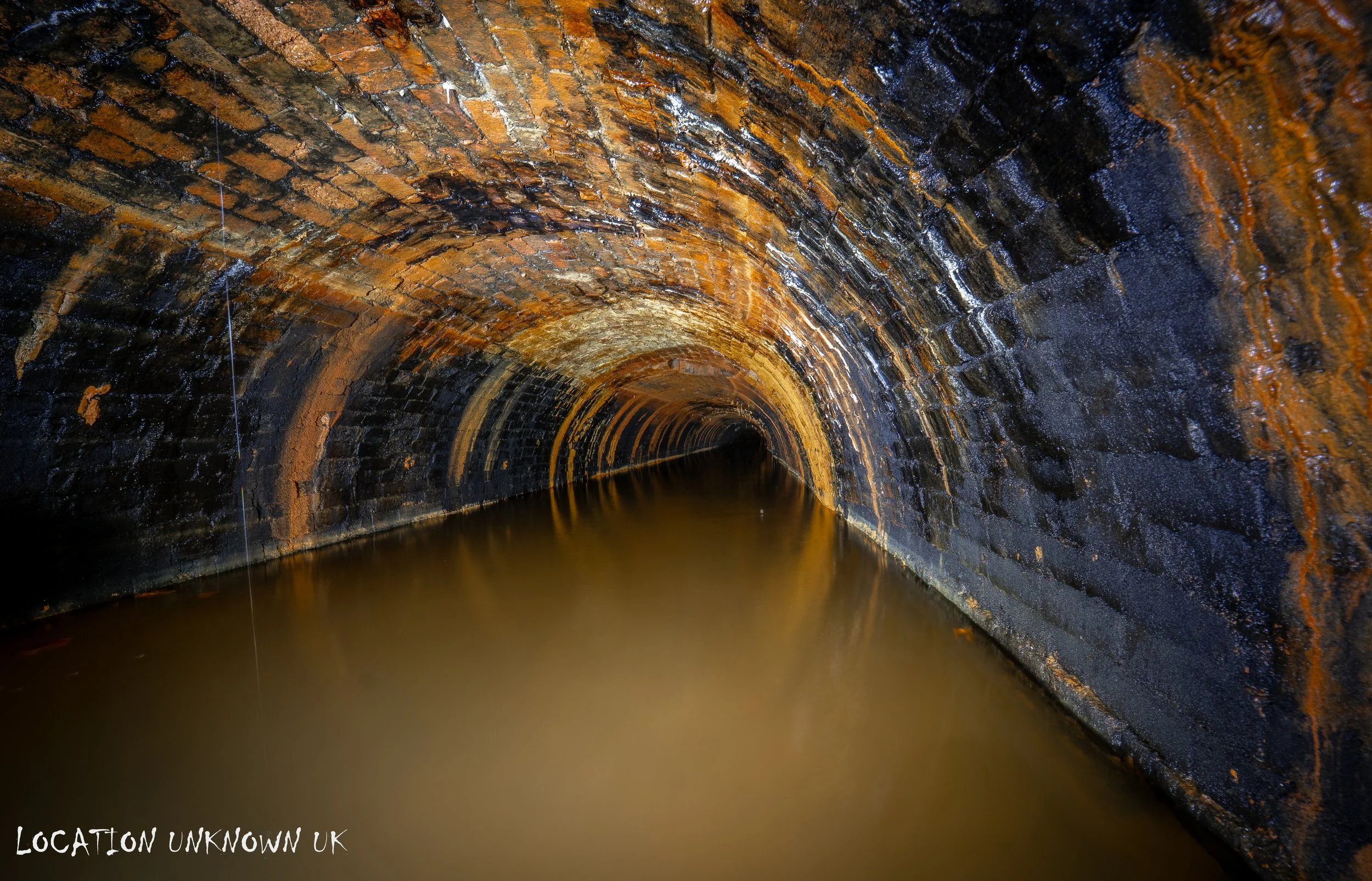
Straight away, the water level was notably high, so we continued at a snail’s pace, carefully checking the depth with each footstep. After a hundred yards or so, the water level was about six inches below breaching our waders. Progress was very slow, and with the end of the tunnel in sight, we realised we were all on our tiptoes. With only a couple of inches between us and the water, we had to stop with around 50 yards to go.
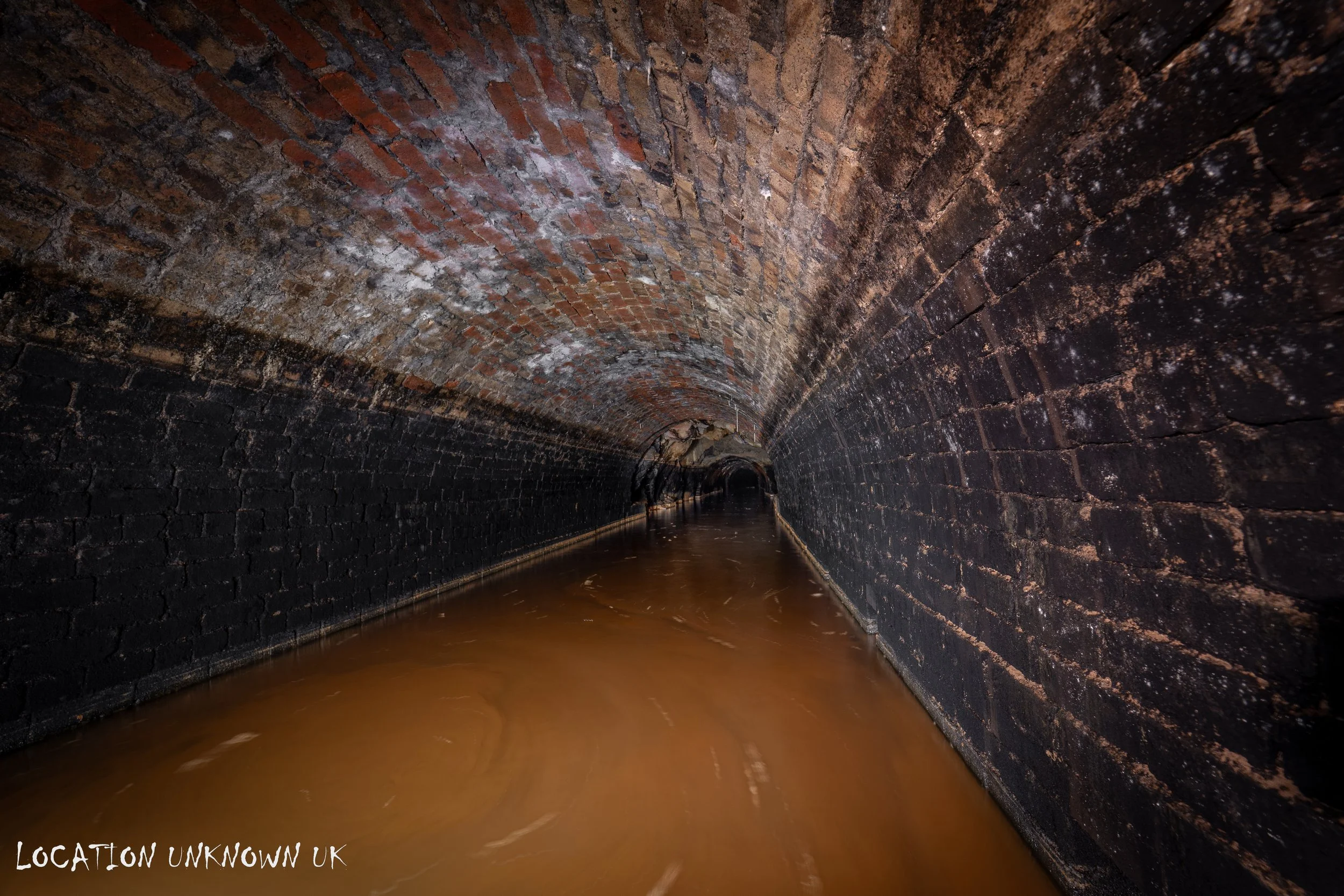
At this point, we decided to photograph on the way out. I already had my camera to hand and was using the tripod as a depth checker; the other two however, had to set theirs up while standing in the water. This looked awkward, so I left them to it. The high water level, combined with a ridiculously unstable floor, made it one of the most challenging places I’ve ever photographed. Backlighting was almost impossible as well, thanks to my camera remote deciding it didn’t want to work on this day.
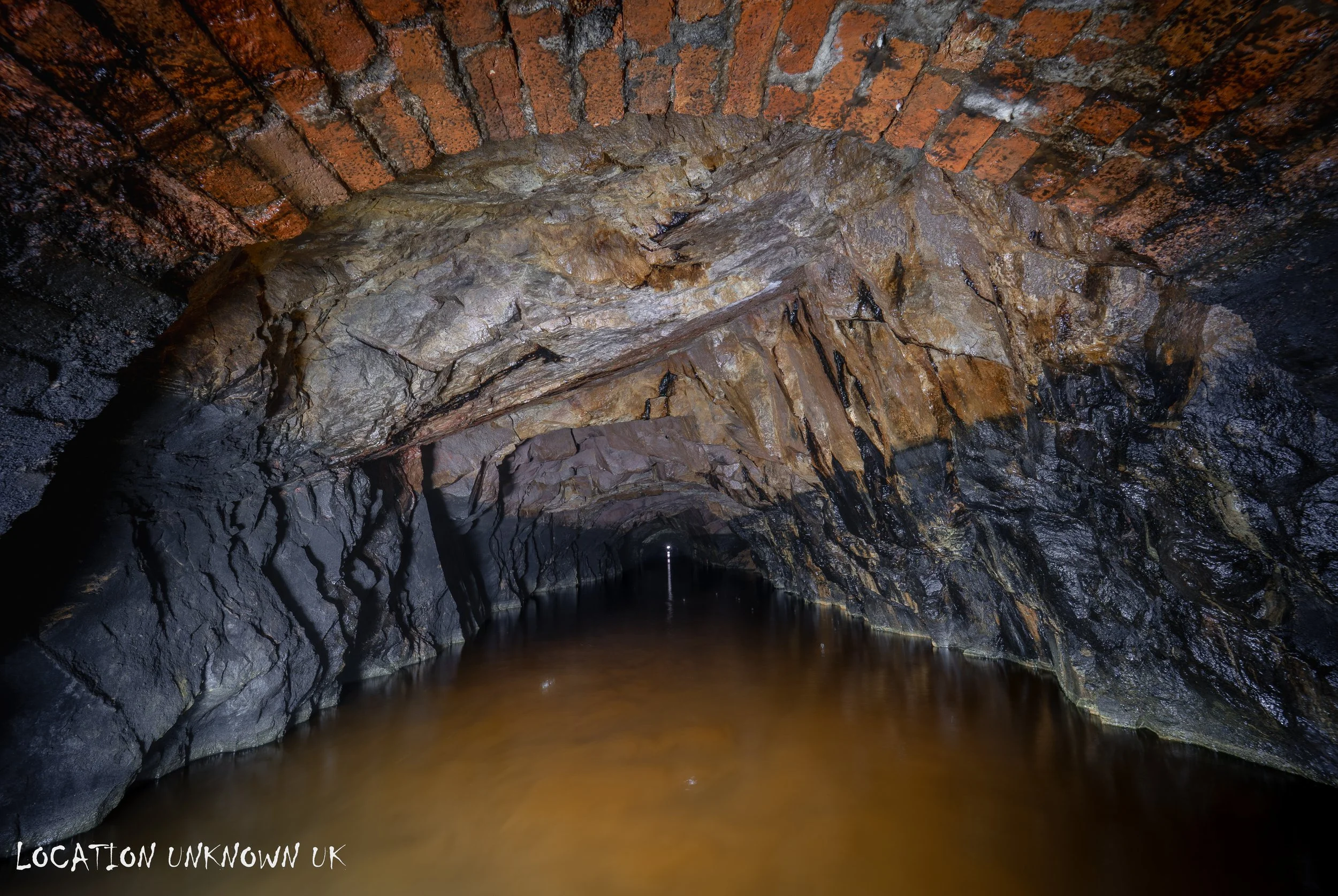
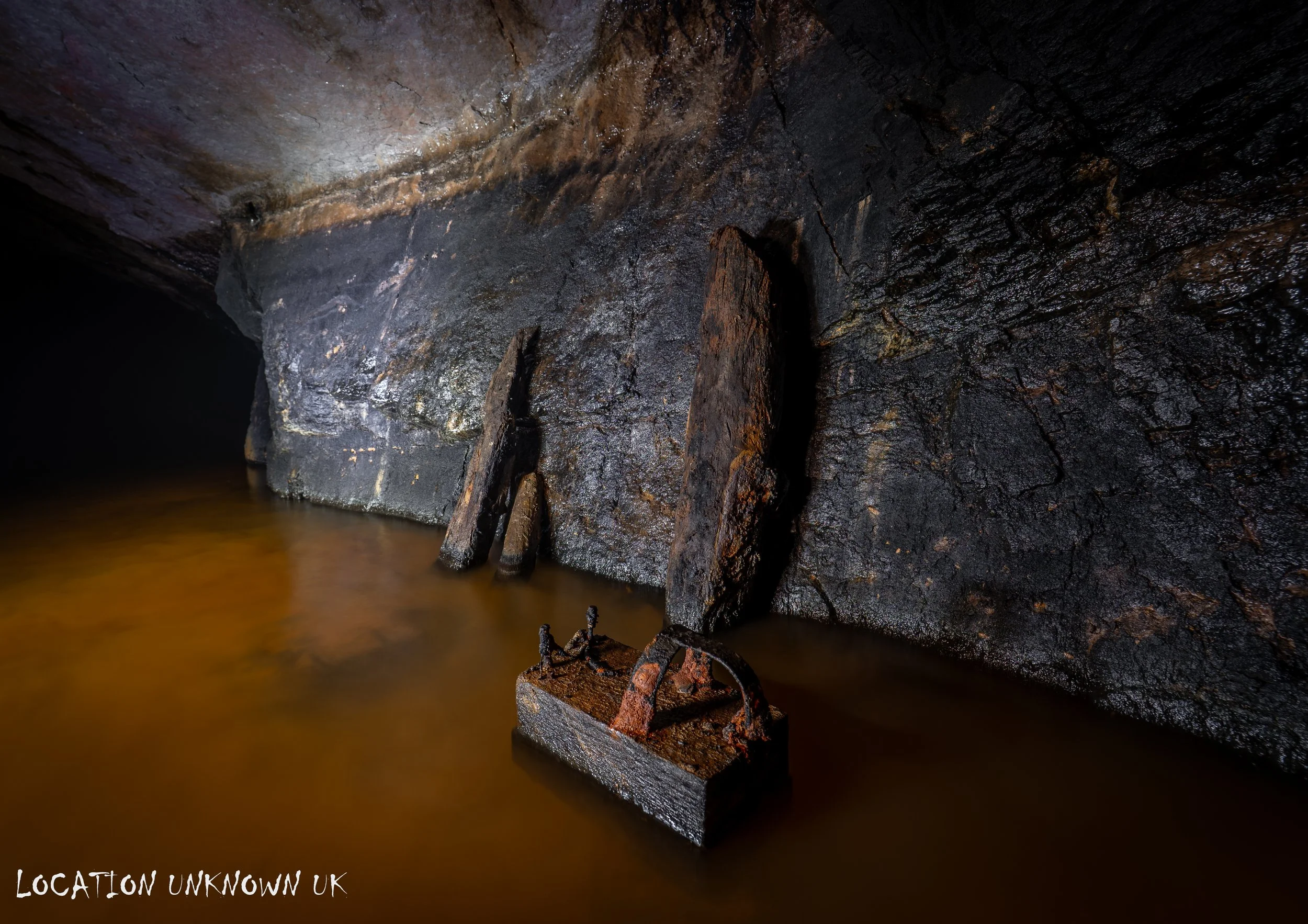
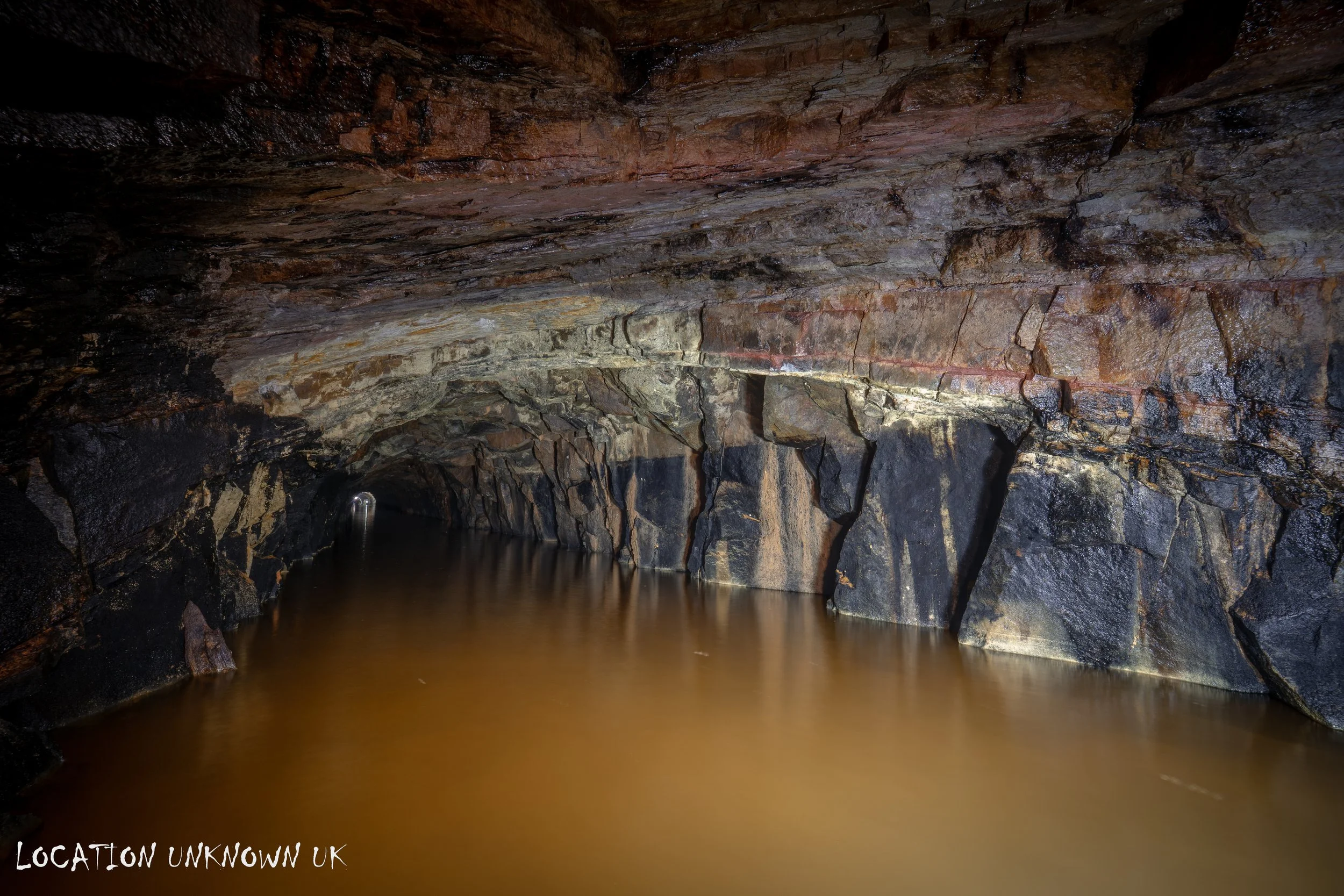
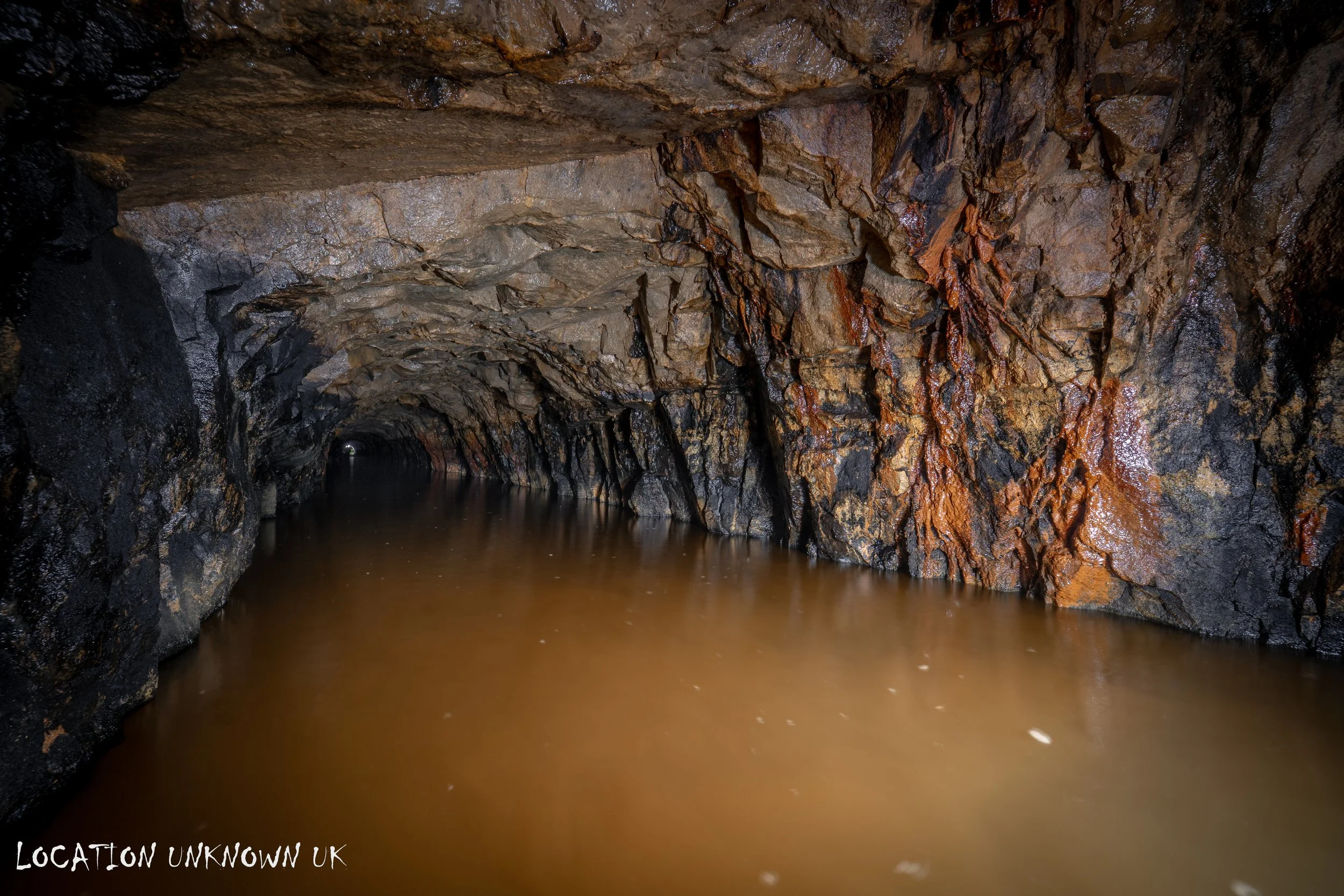
Around halfway through, the ceiling had started to delaminate, creating a large pile of toadstone on the floor. I heard a lot of splashing up ahead and thought the other two were throwing rocks. To my surprise, they were adamant they weren’t, it was the ceiling giving way, with large chunks breaking off as they passed by.
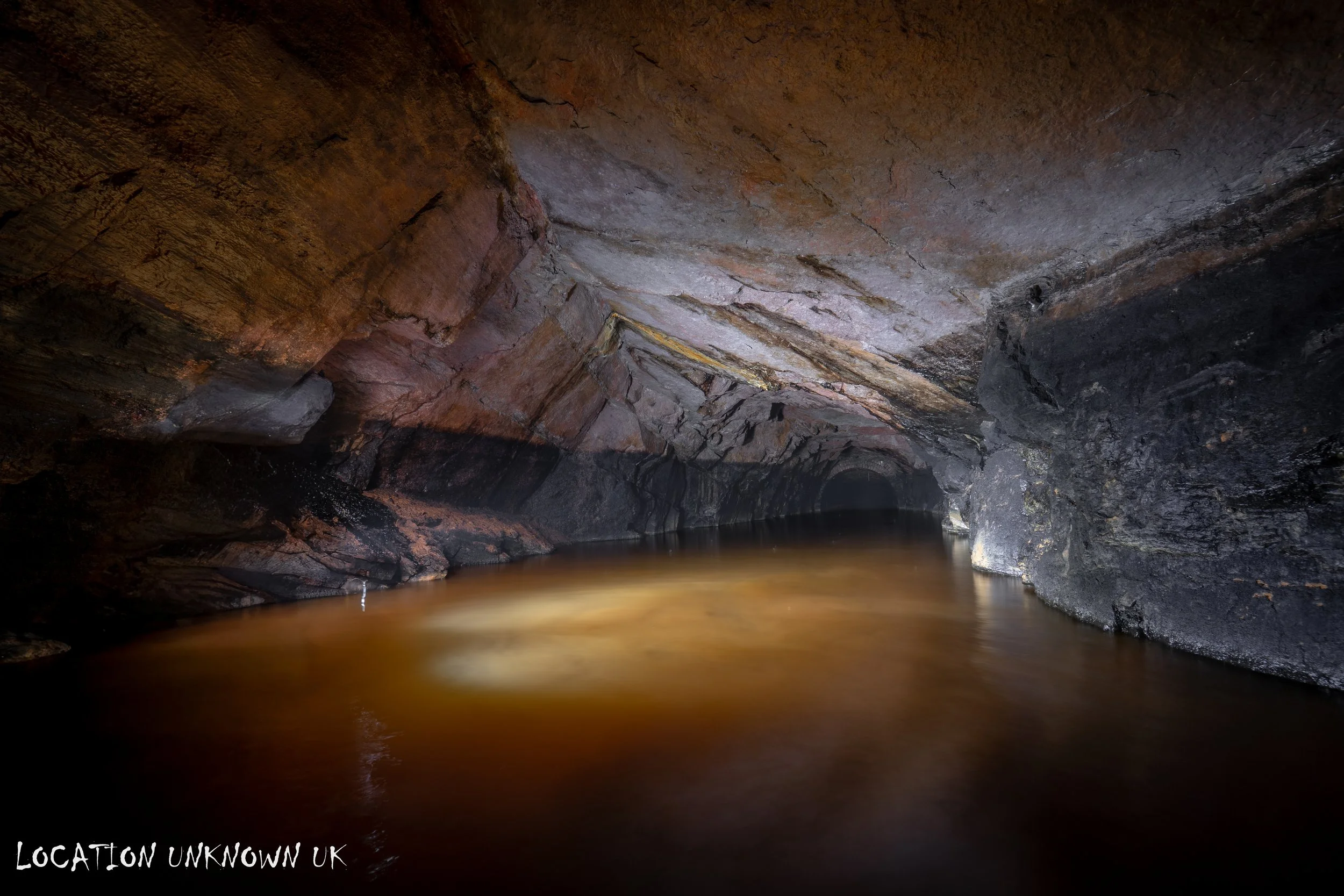
The tramway is quite photogenic for what it’s worth, but I’d recommend visiting with a dinghy.
History
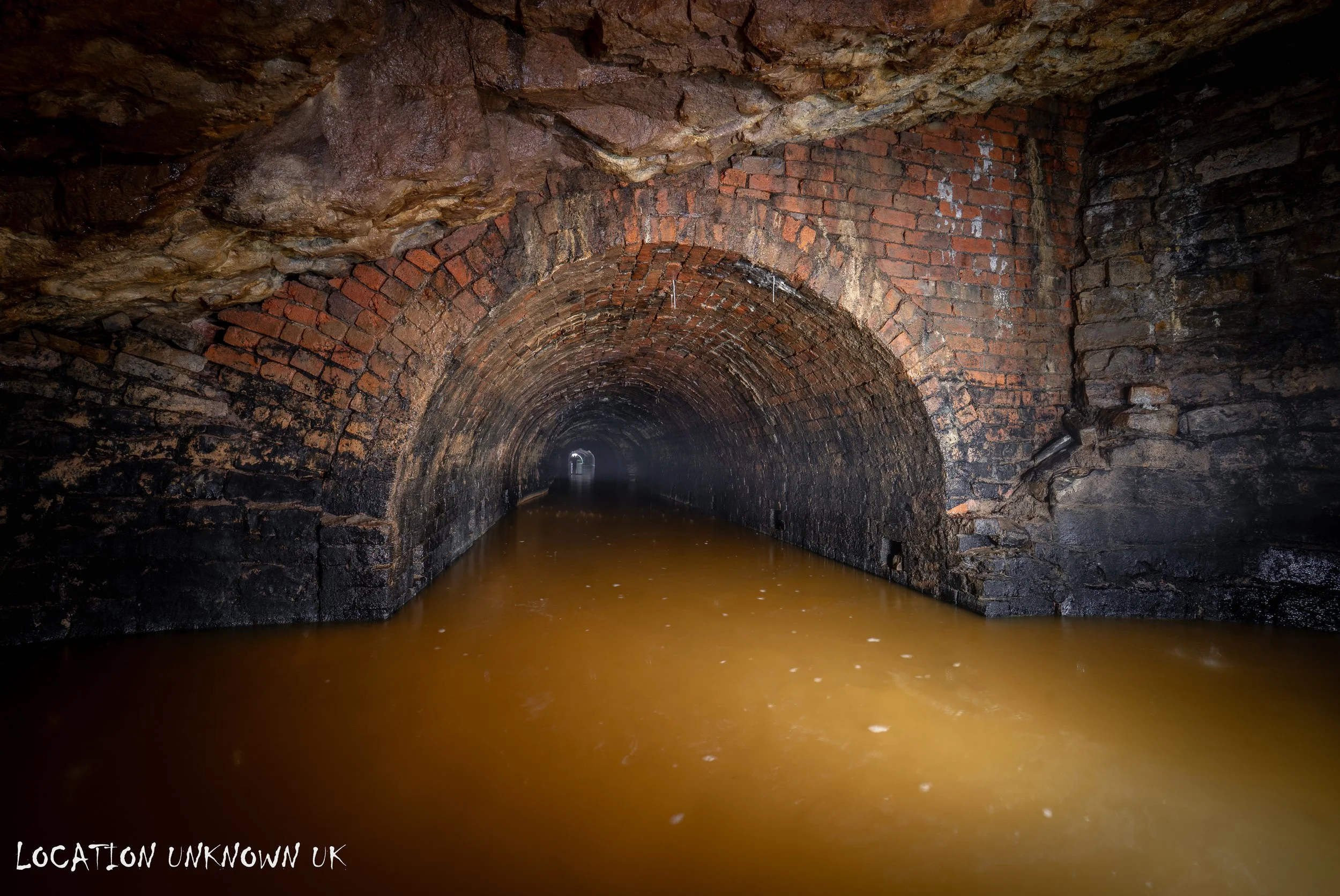
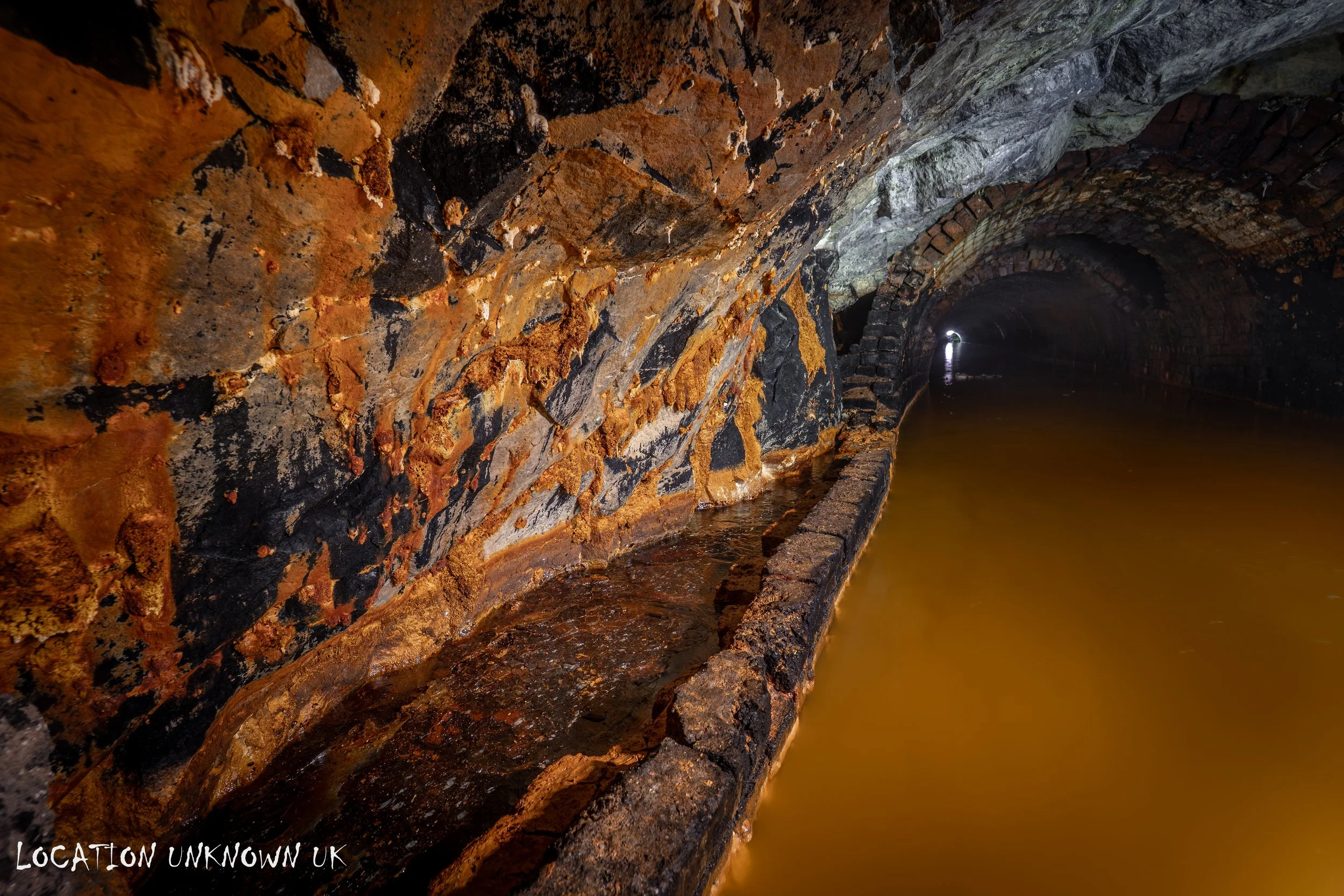
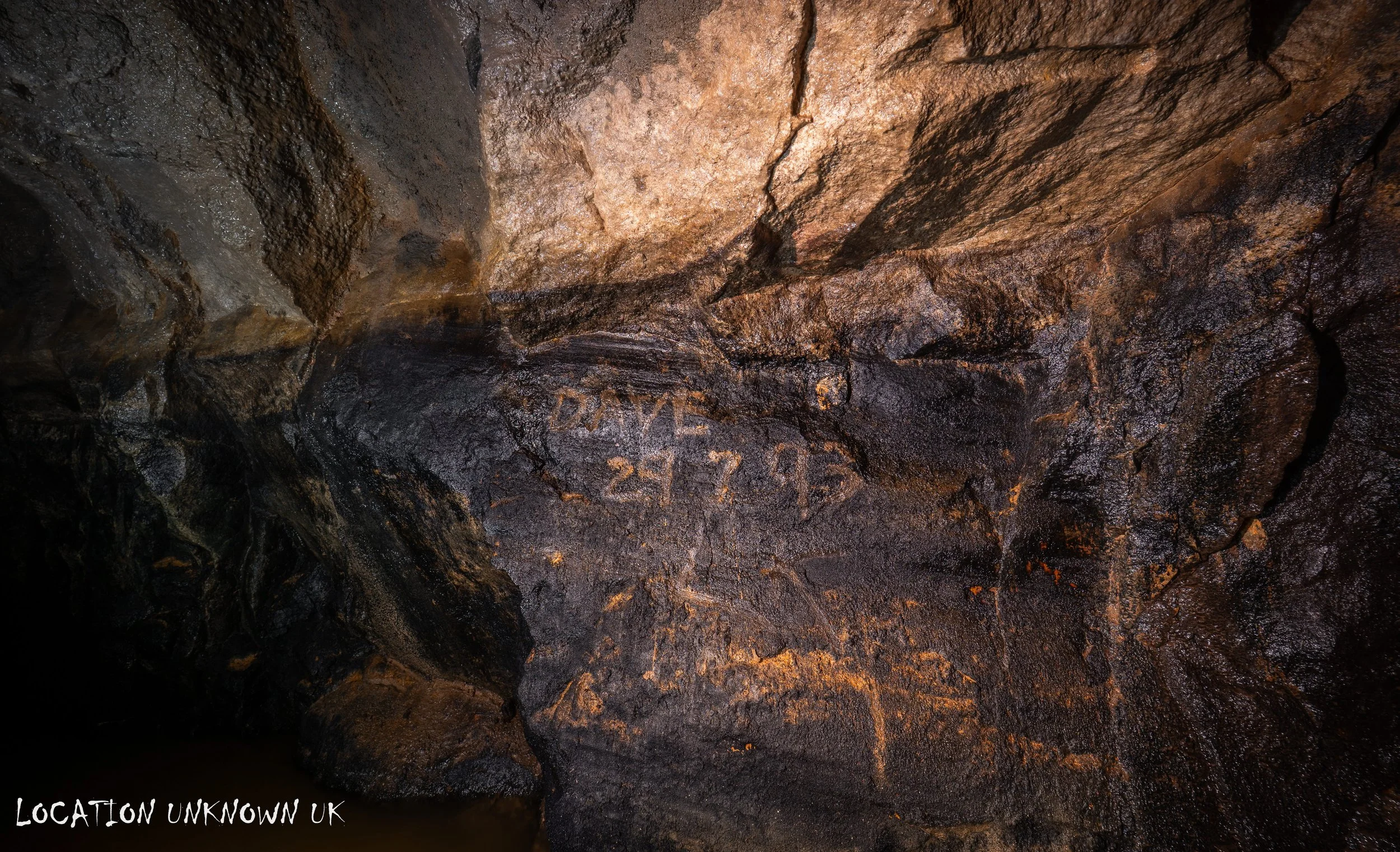
The former Mow Cop tramway tunnel was constructed in the early 1830s to serve the coal mining industry that once dominated the region. It formed part of a tramway built to transport coal from hillside collieries down to a nearby canal, where the cargo could be transferred to boats for wider distribution. At a time before steam locomotives were widely adopted for short industrial lines, the tramway relied on horse drawn wagons and gravity assisted haulage. Loaded coal wagons descended the steep gradient under controlled braking, while their weight helped draw empty wagons back uphill via a rope system. To maintain a workable route through difficult terrain, the tunnel was driven through hard gritstone rock using hand tools and black powder blasting. It extended for several hundred yards beneath the hill, large enough to accommodate tracks, horses, and braking equipment. Inside, traces of the original construction methods were visible, including drill marks in the stone and remnants of timber track supports and a widened section around half way through the tunnel allowed horses to be turned and repositioned. By the late nineteenth century, local collieries declined and alternative transport routes rendered the tramway obsolete. The tunnel fell out of use and was gradually forgotten, the Eastern portal was buried and the Western portal partially survived. The tunnel is partially flooded, ranging between 3-4ft in depth throughout.