Bullhay Dale Calcite Mine - Chelmorton
History
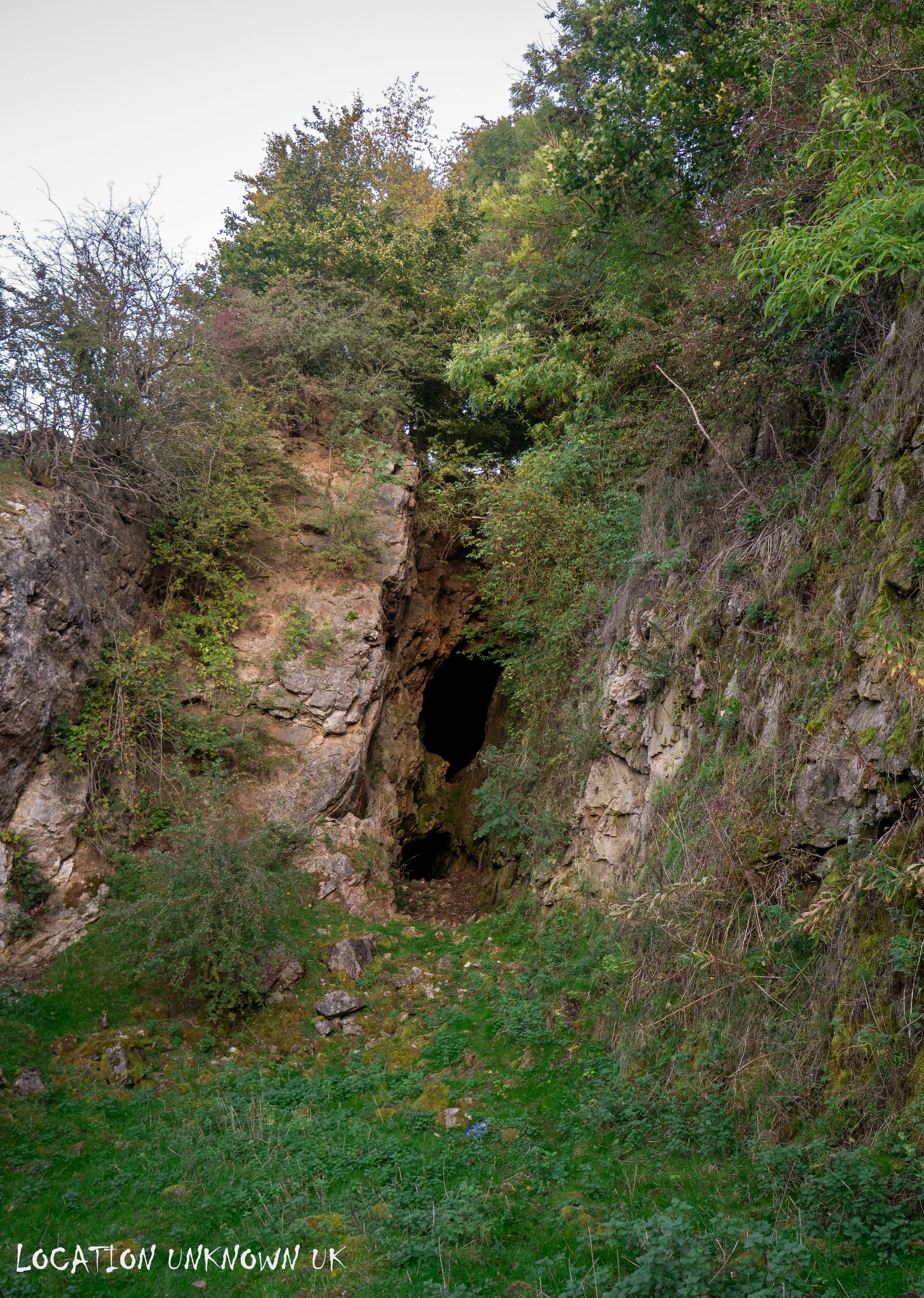
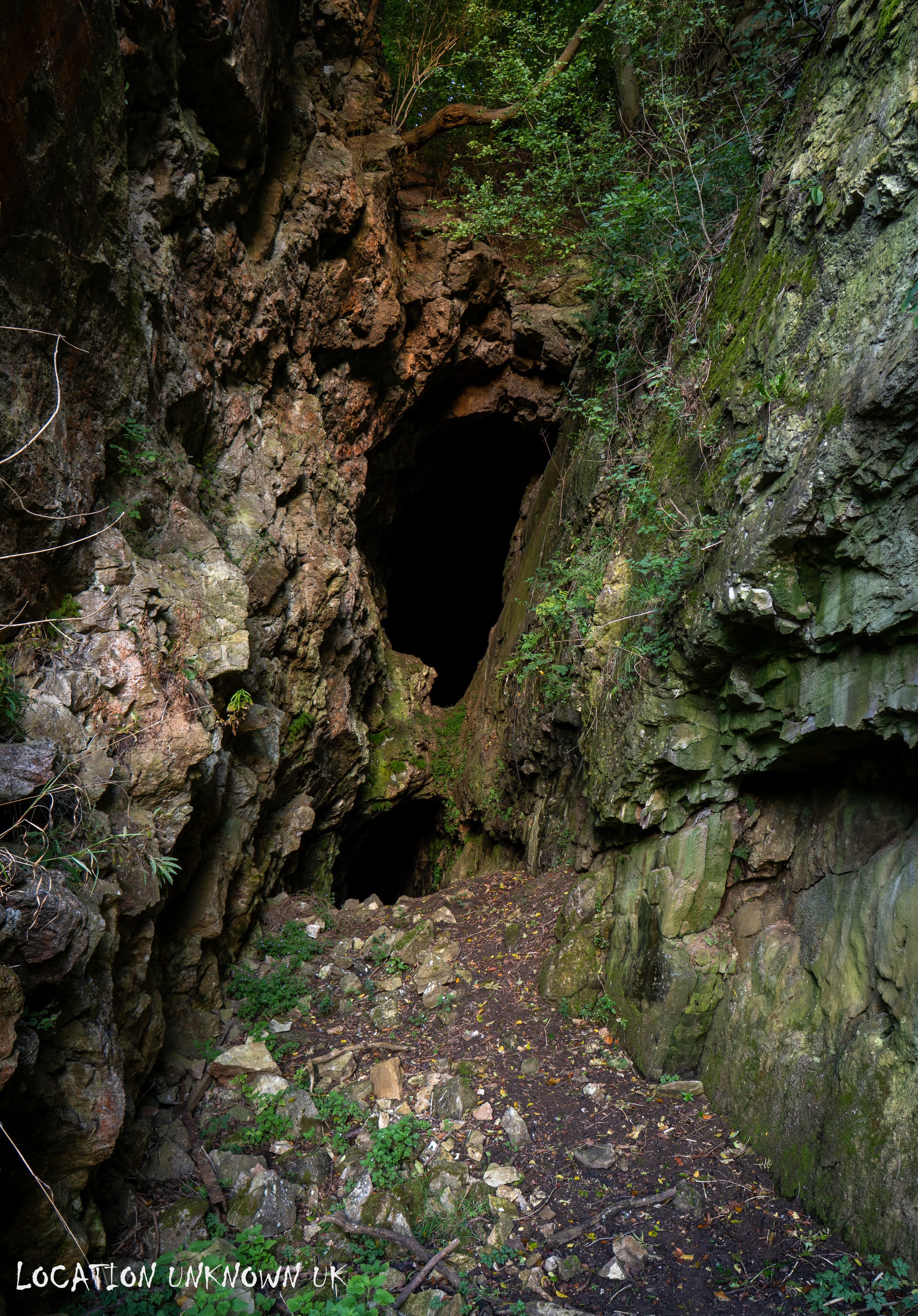
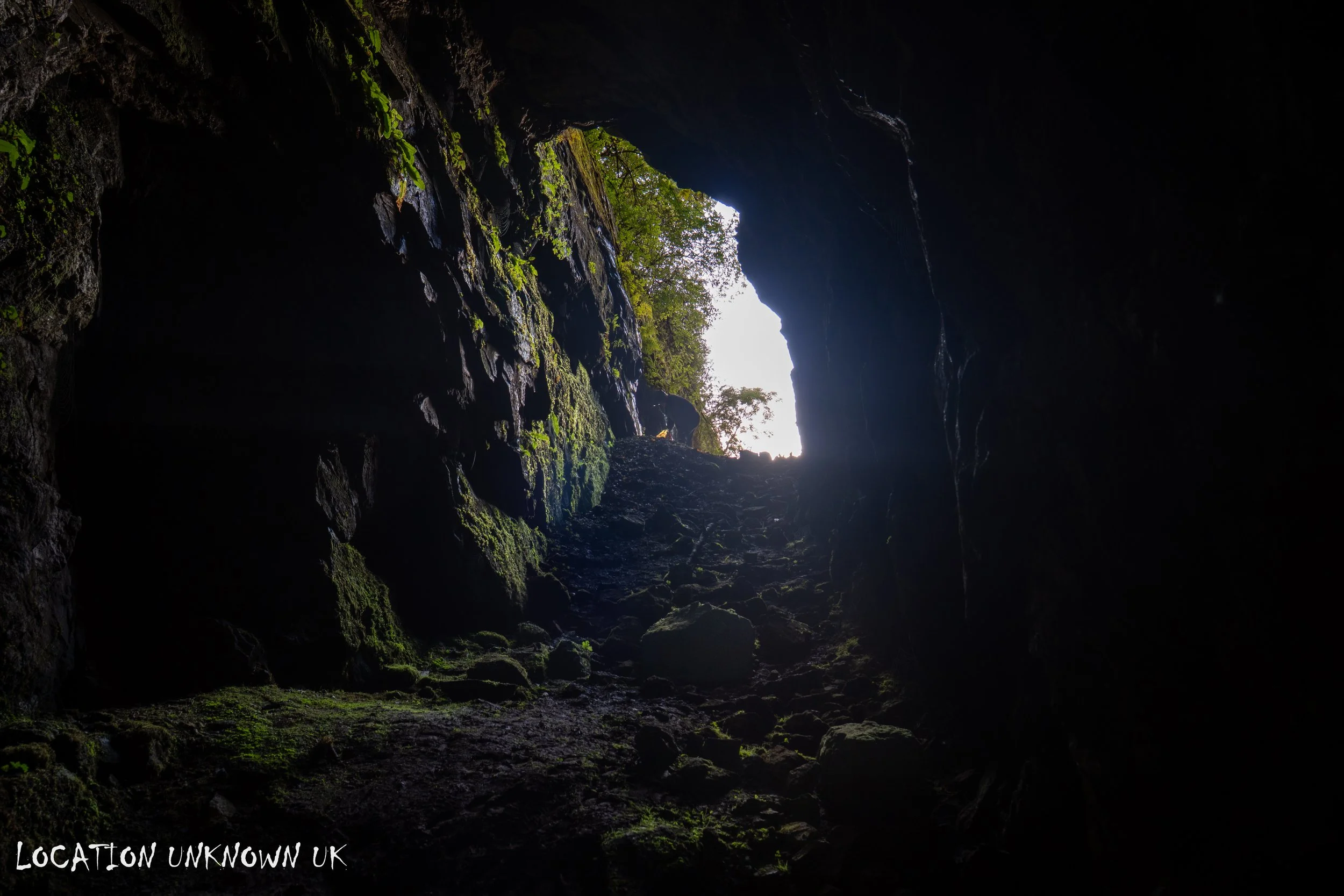
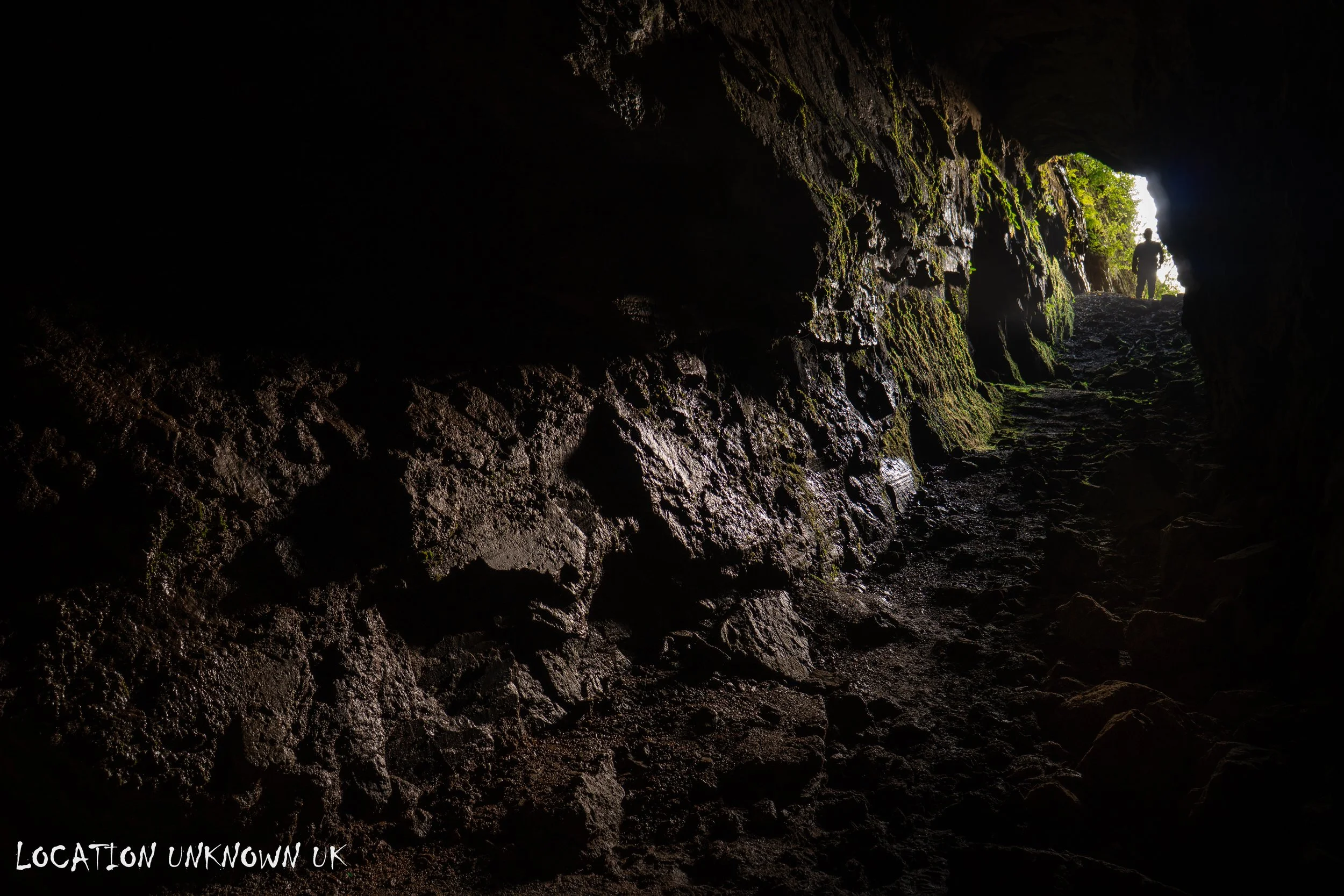
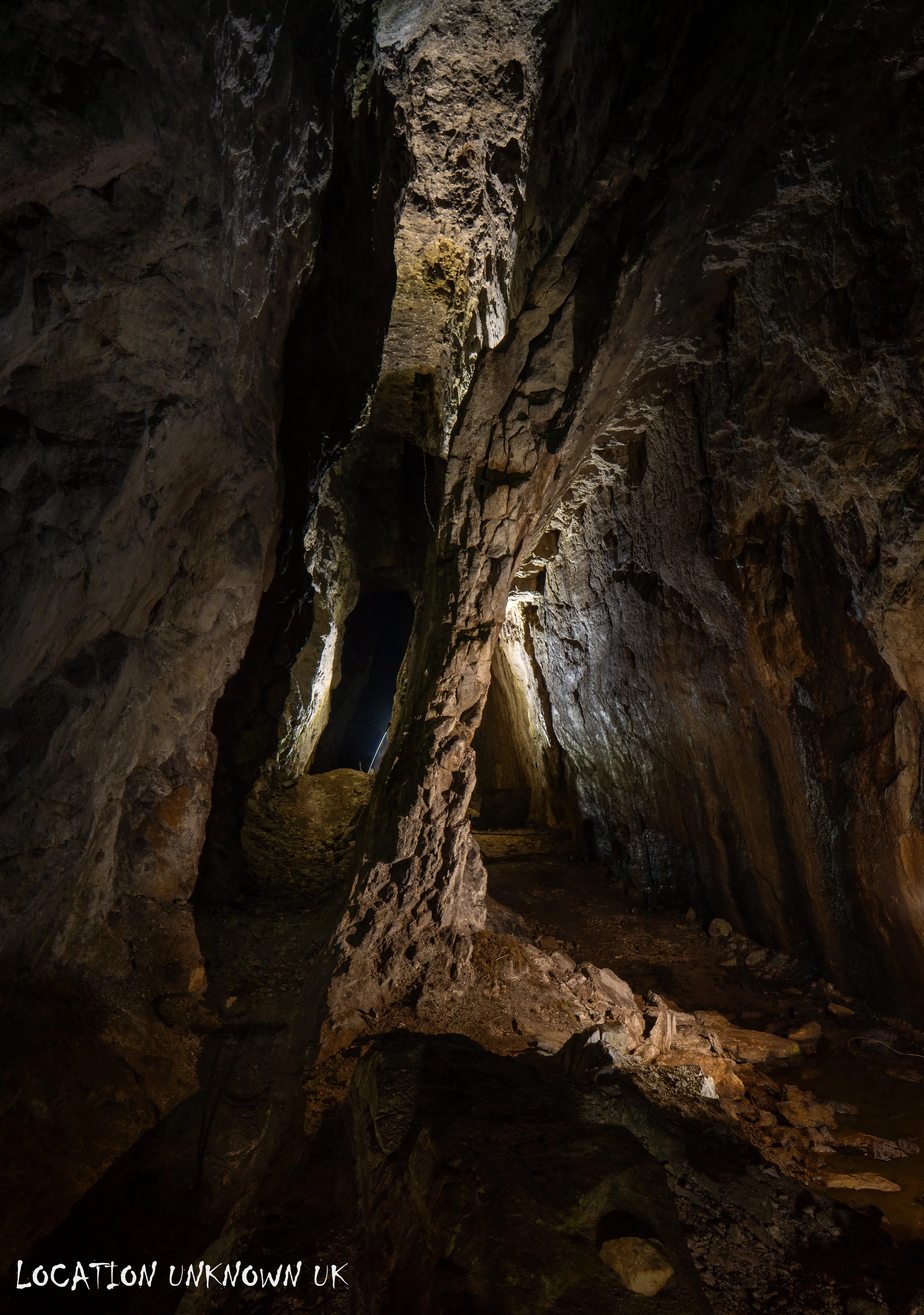
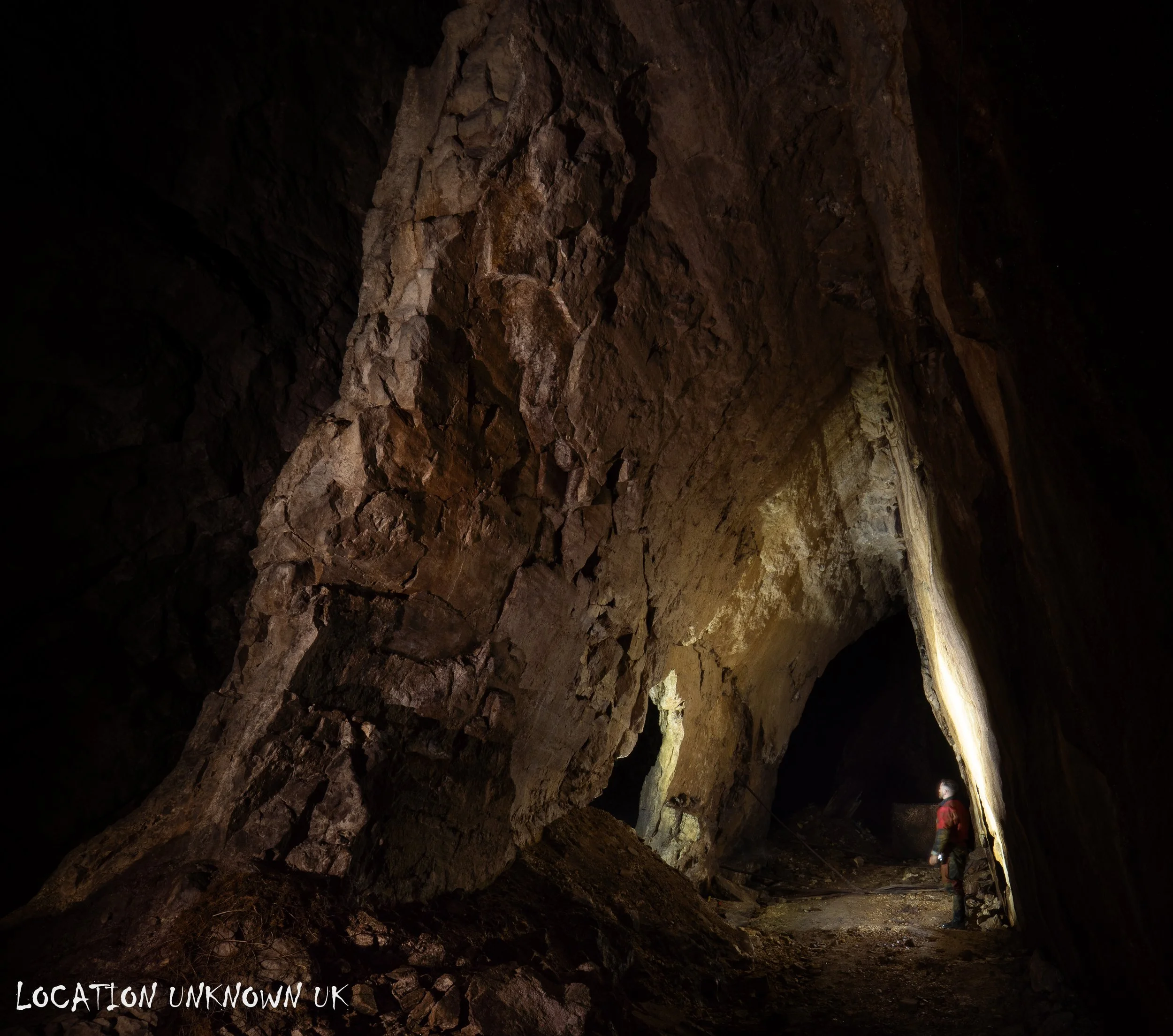
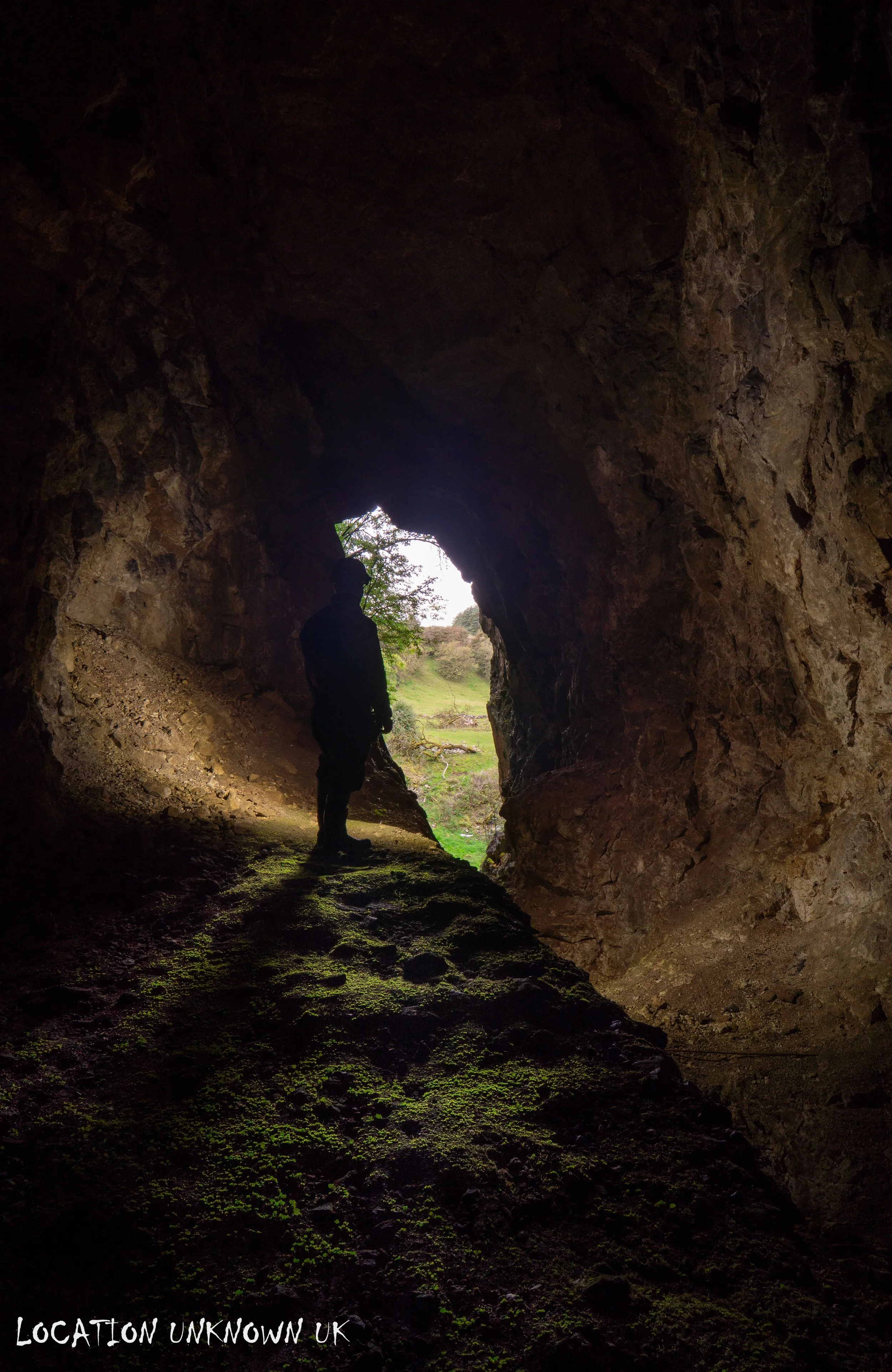
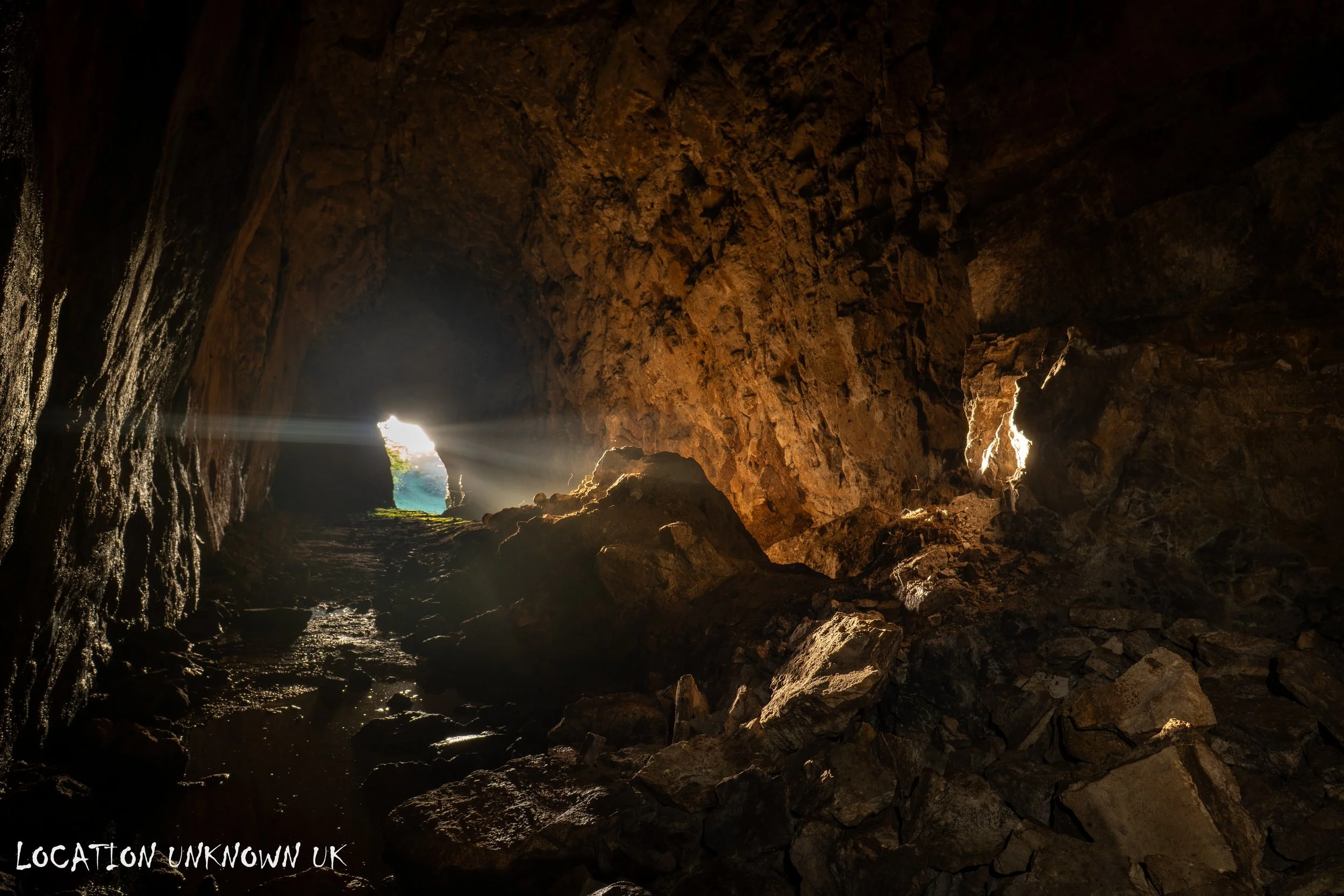
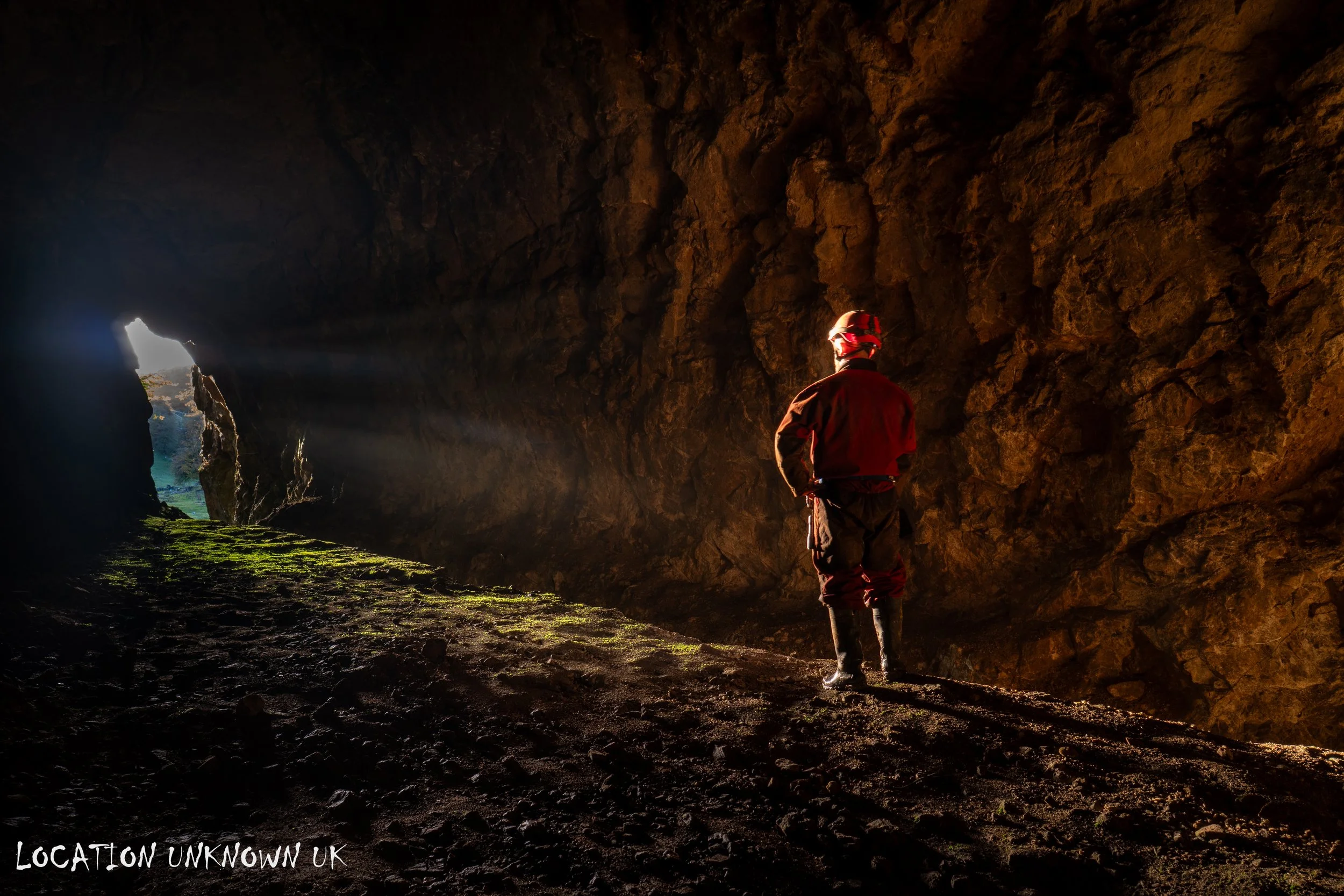
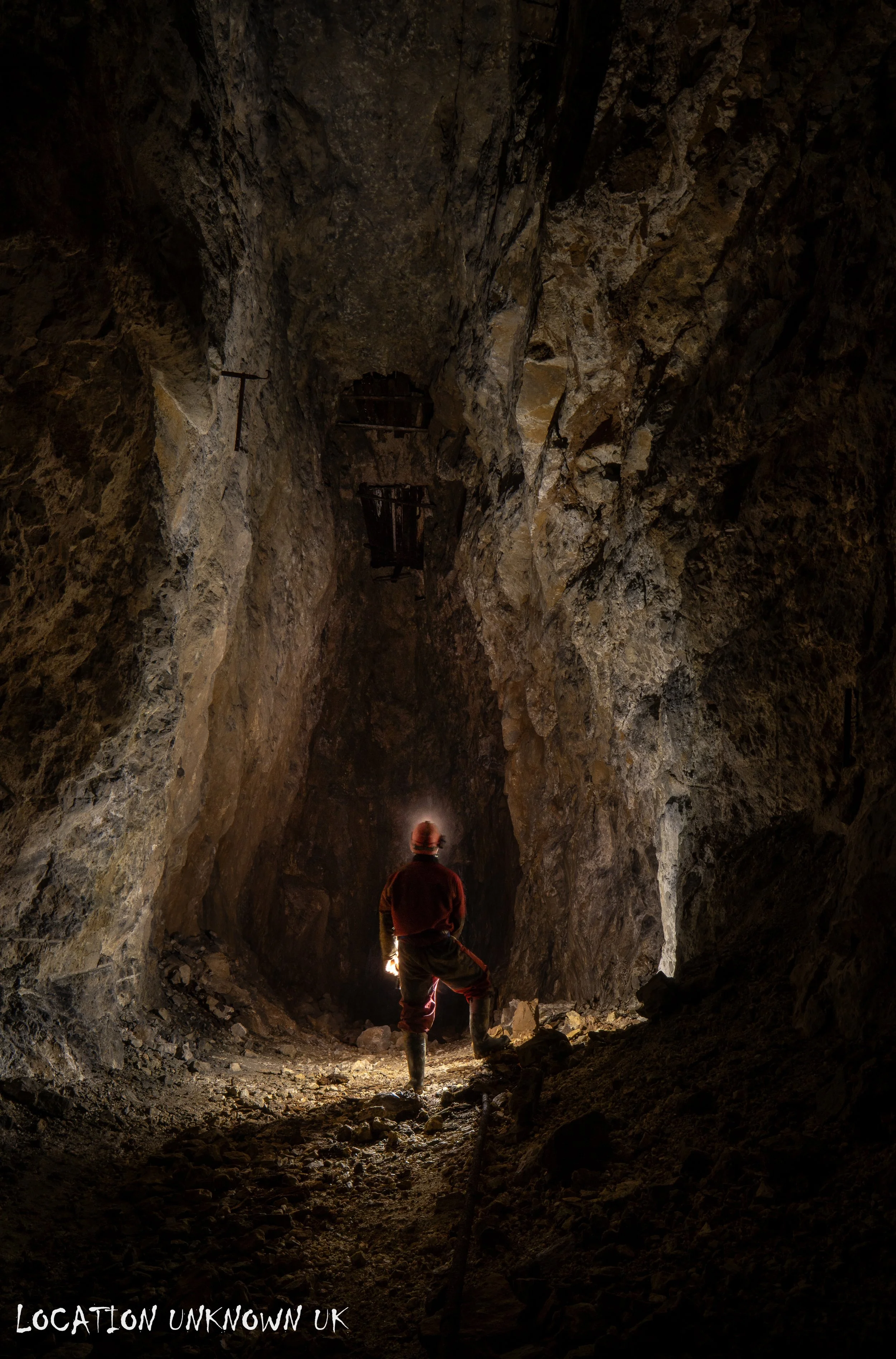
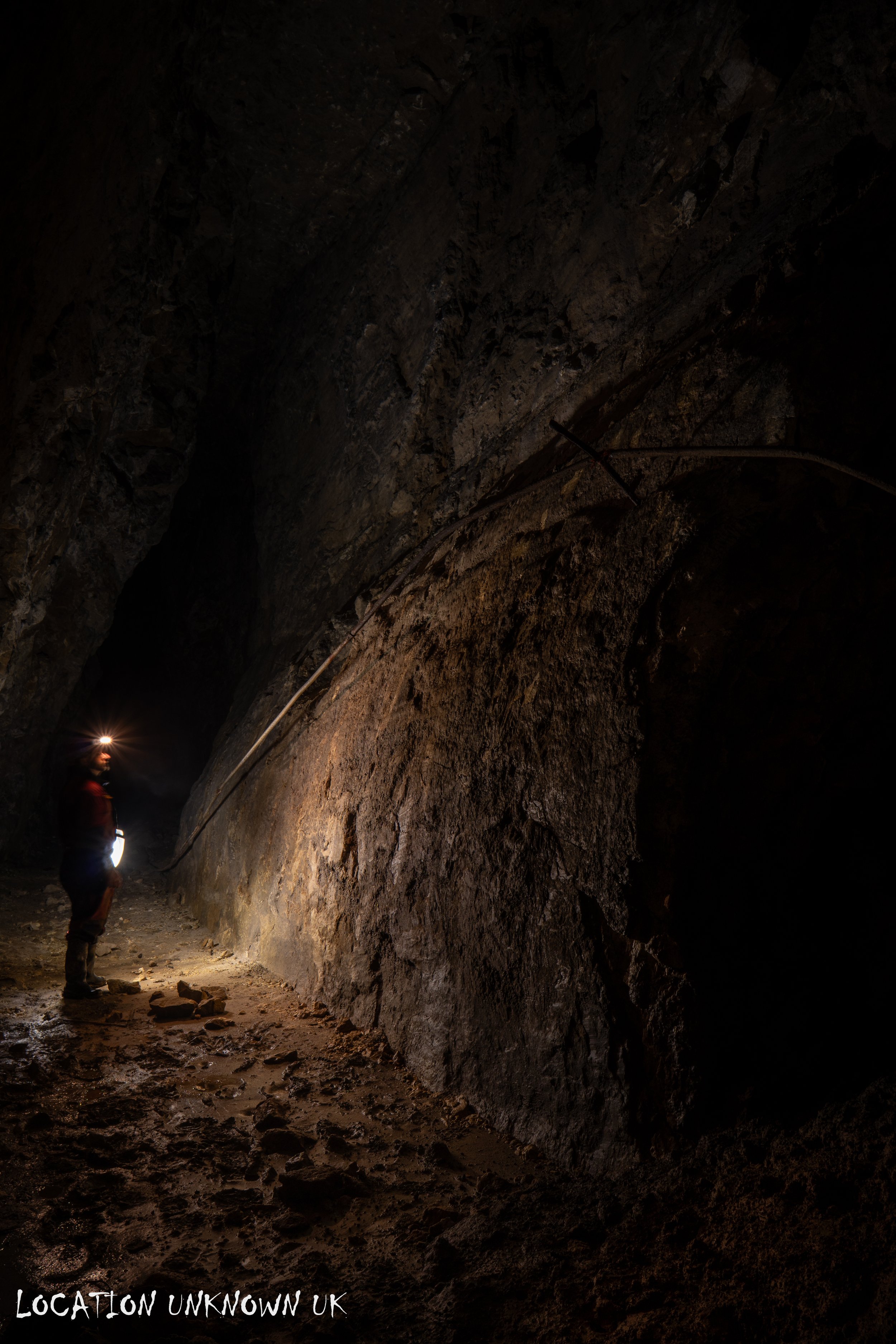
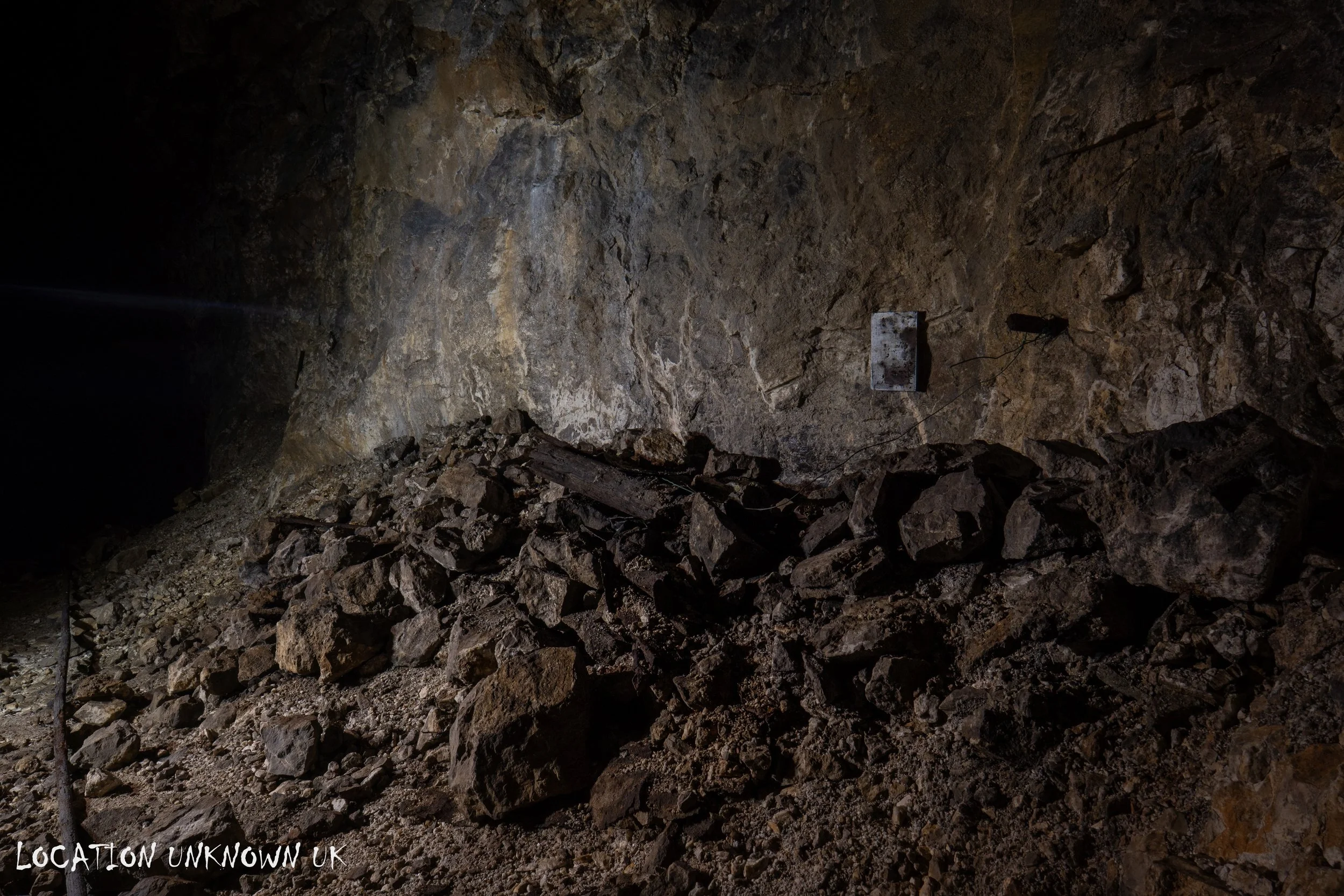
A former Calcite mine opened in 1914 by James Dunn Bacon, a miner from Youlgreave, and was subsequently acquired by Bunton Lime Firms Ltd before June 1915. Its development reflects a change in the economic importance of Derbyshire's mineral veins, as calcite, formerly often regarded as gangue associated with lead mining, had itself become a commercially useful mineral. Calcite was used in industries including stucco and terrazzo manufacture. The surviving entrance is a substantial adit driven into the limestone, and descriptions of the workings identify two levels, with the upper level representing the principal working area and the lower level thought to have been associated with hauling the extracted mineral. The workings appear to have combined relatively conventional underground vein mining with the later commercial extraction of calcite from the mineralised fissure. Heathcote's study specifically records both lead and calcite workings, and contemporary reviews note that it includes documentary evidence together with descriptions and photographs of the surviving mine entrances. A later description records that the same entrance had also been associated with fluorspar working, illustrating the succession of mineral values at the site: material that earlier lead miners could regard as an unwanted component of the vein subsequently became an economically valuable mineral.