Spinney Level - Derbyshire
History
This former lead mine is part of Derbyshire’s extensive post medieval lead mining industry, with the surviving workings principally associated with the 18th century, when lead extraction was an important part of the Peak District economy.
While medieval records document distinctive local mining customs that gave recognised miners rights to search for and work mineral veins. By the 17th and 18th centuries, improvements in techniques including gunpowder blasting, drainage systems and underground transport allowed workings to extend further into the limestone.
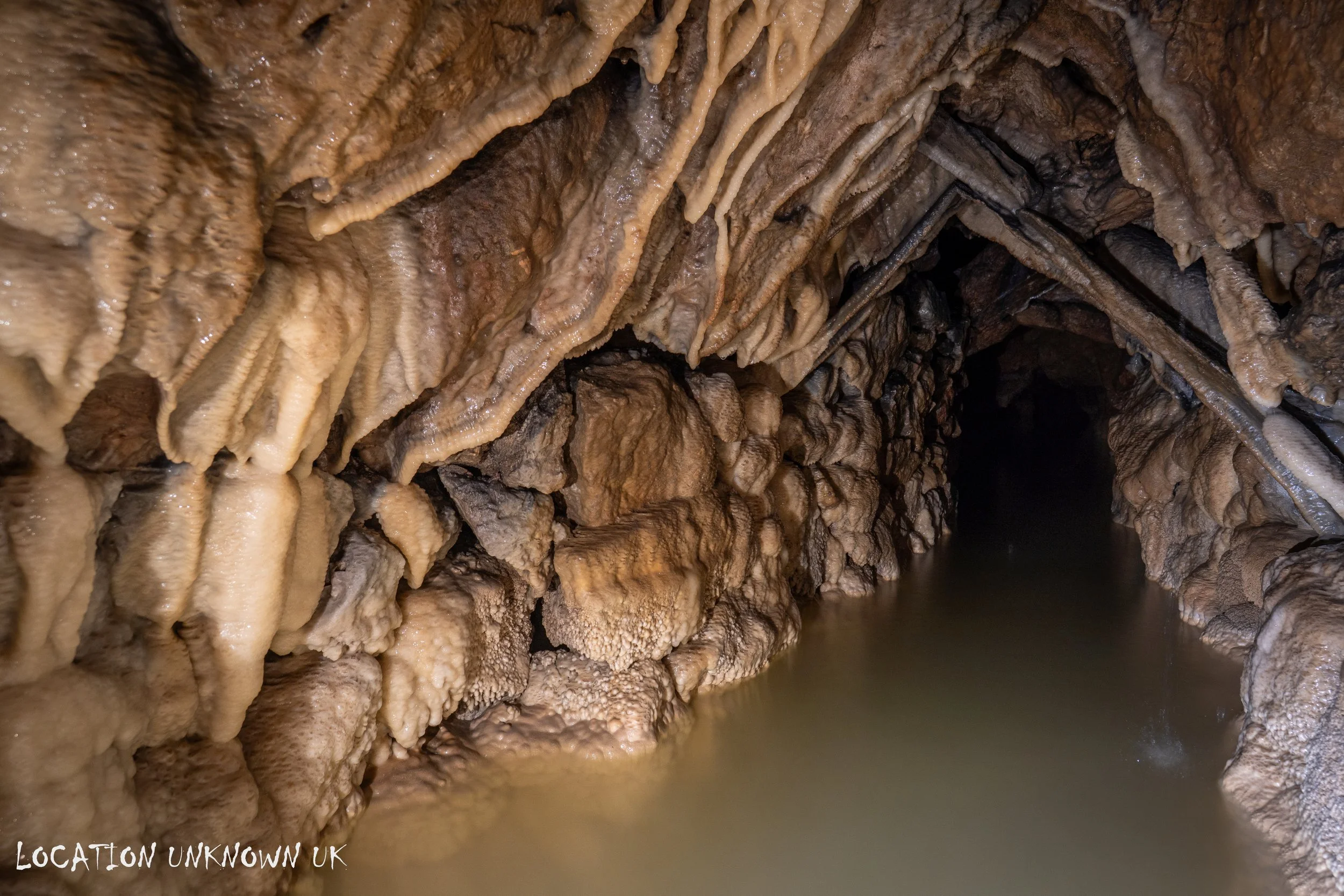
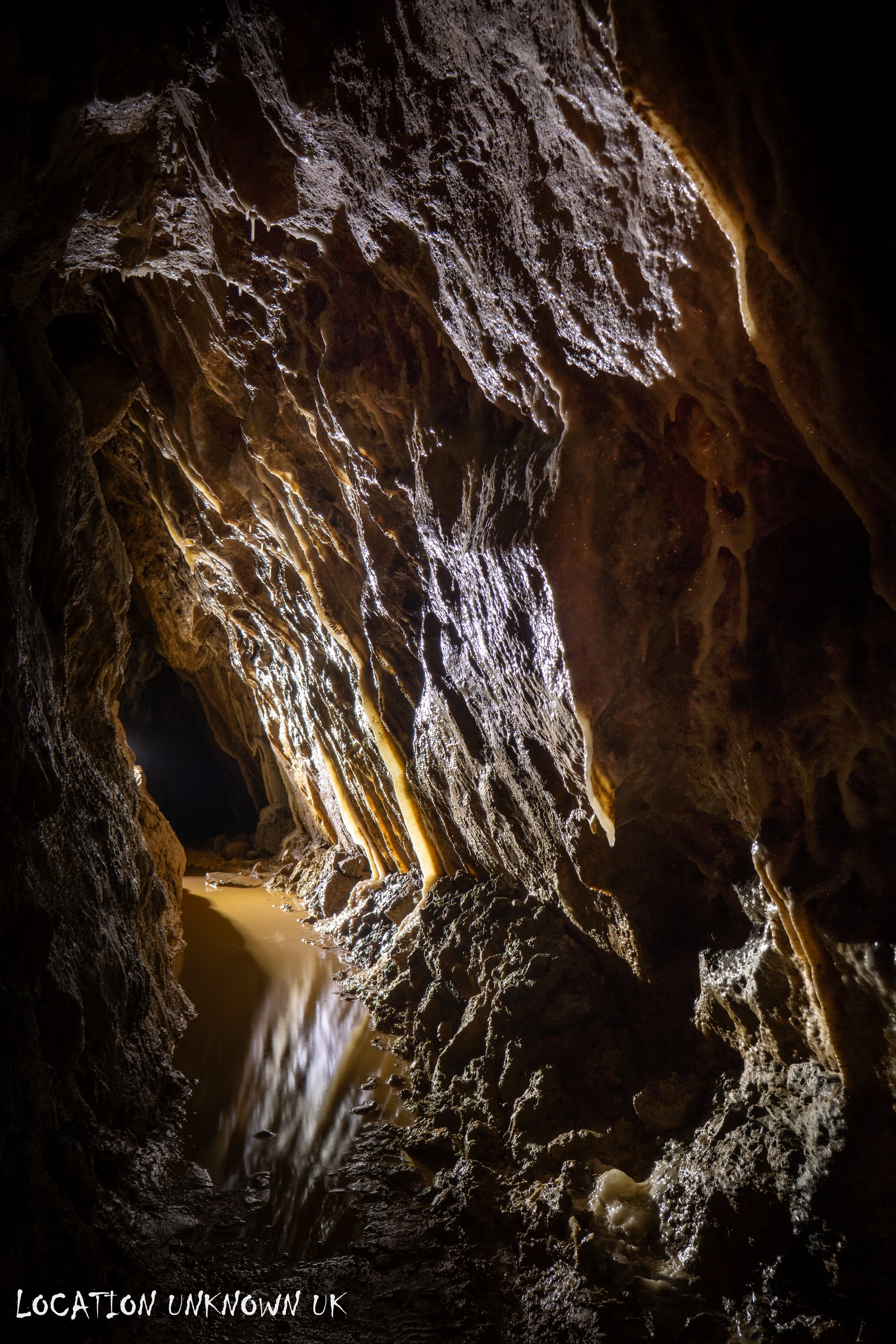
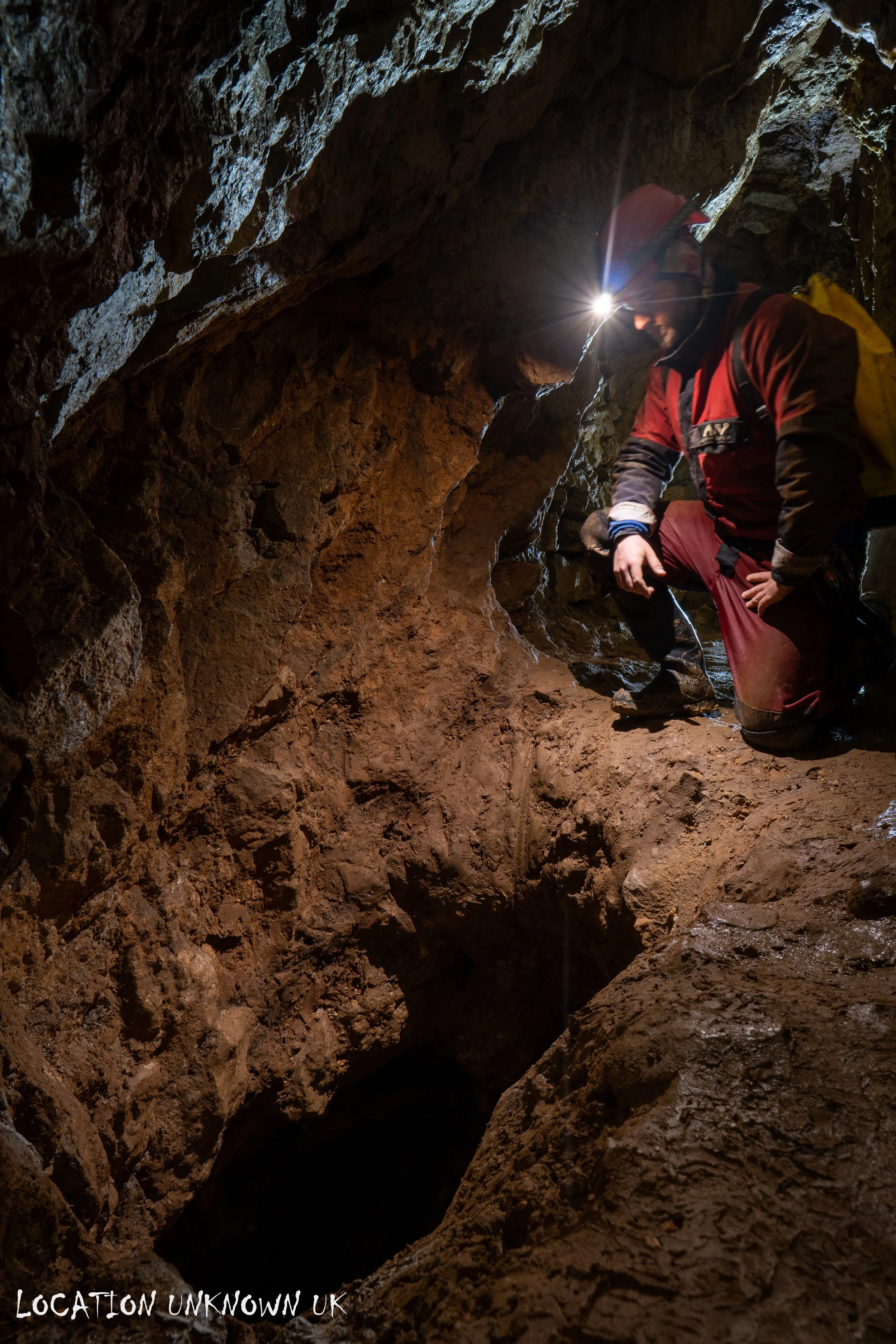
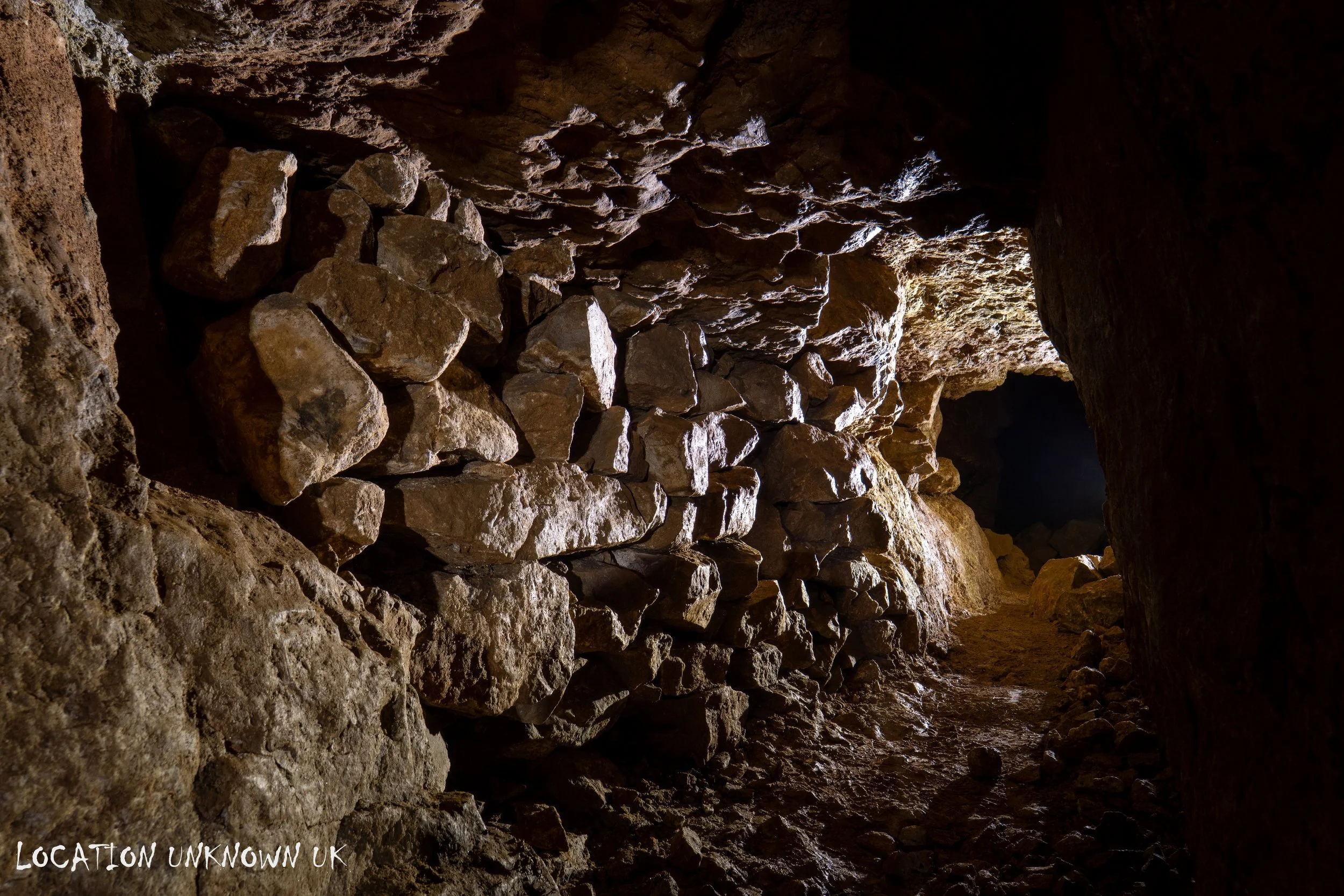
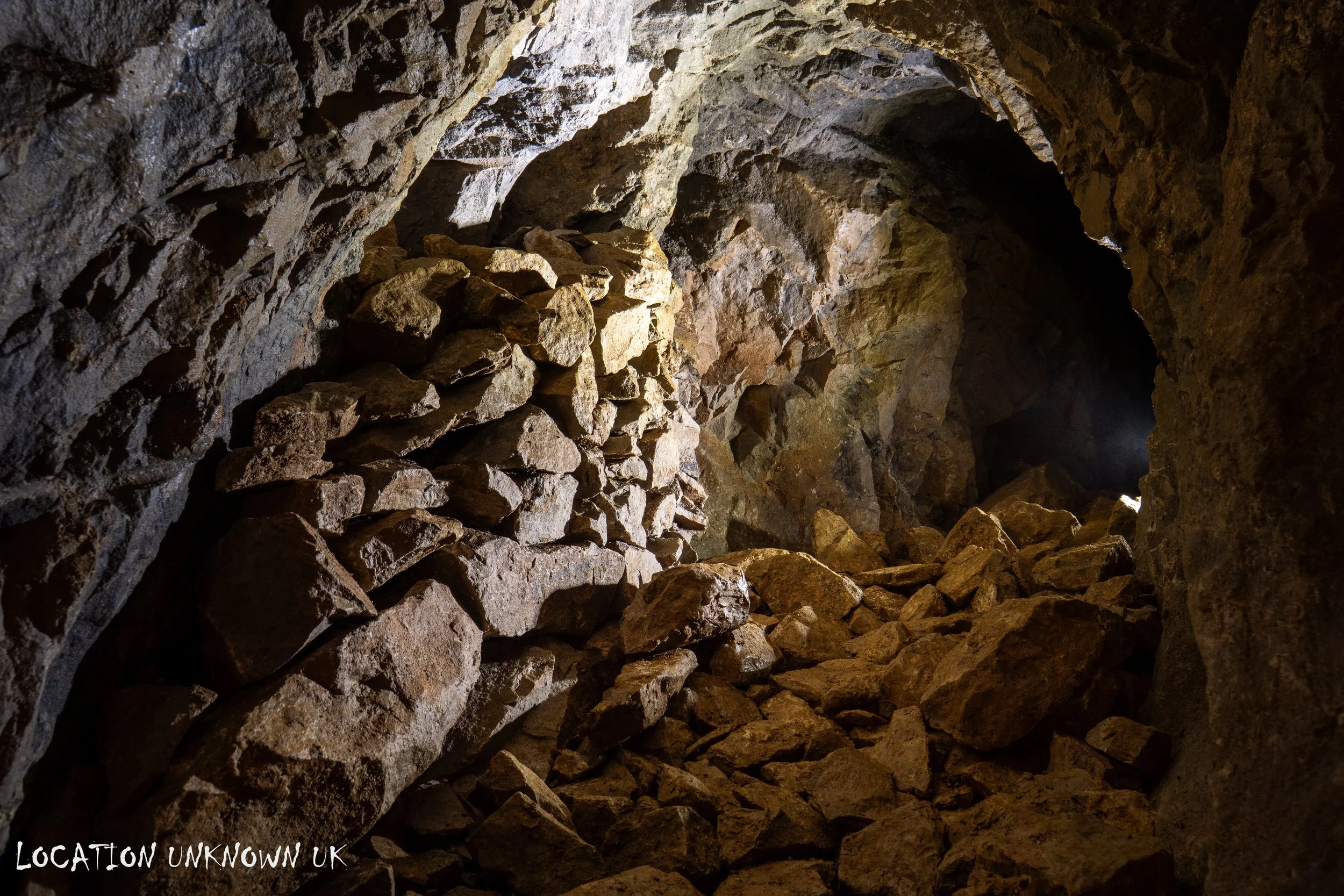
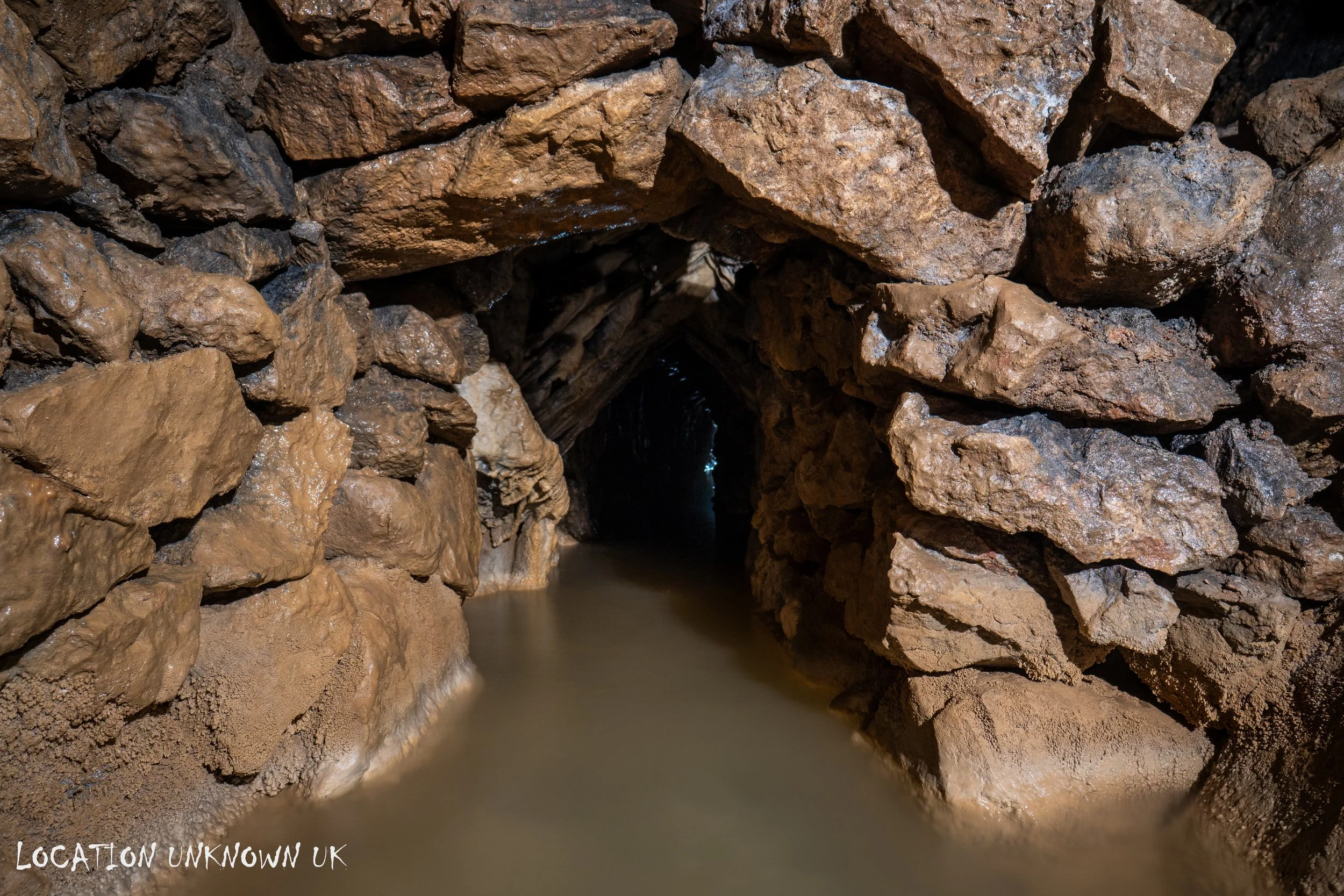
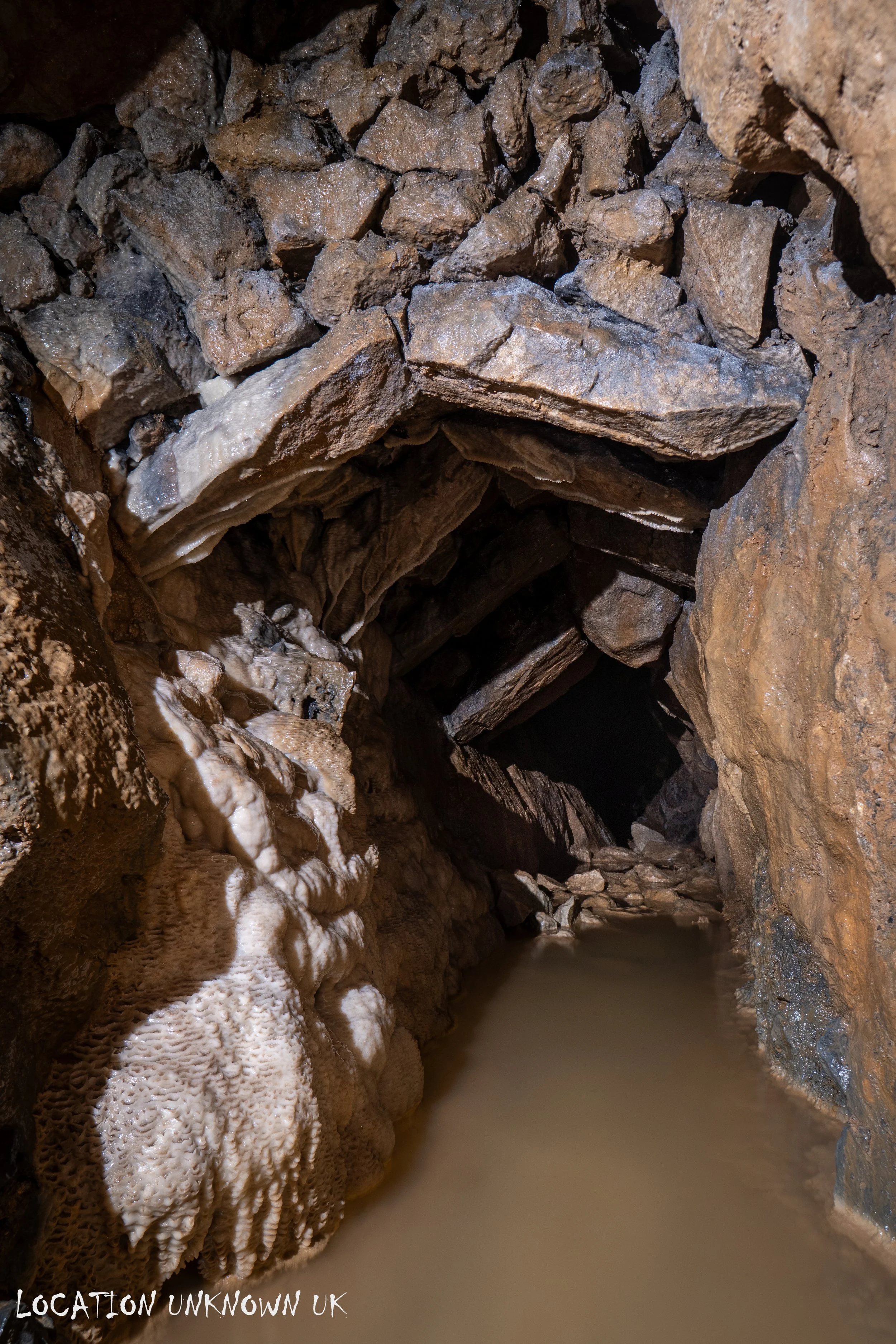
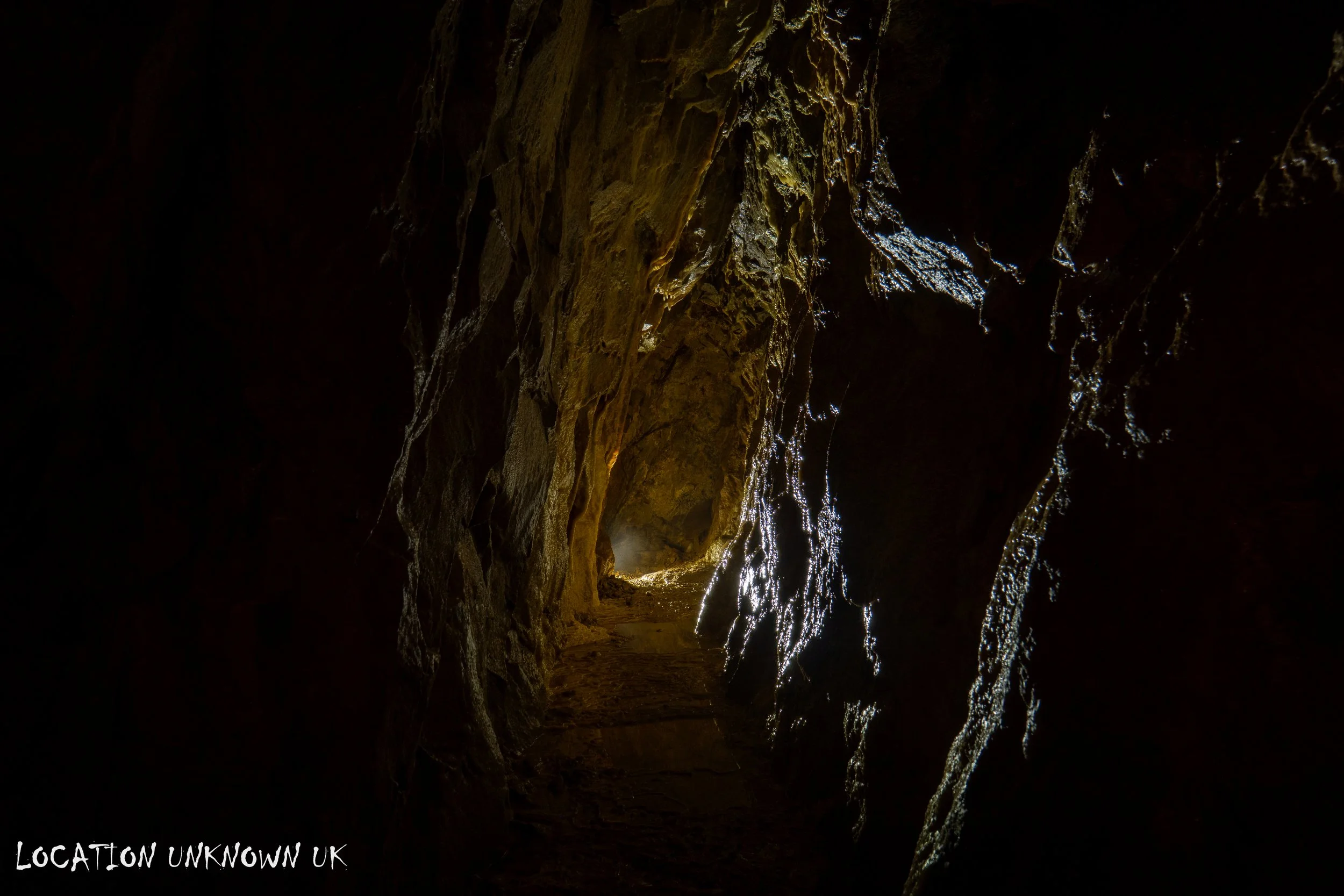
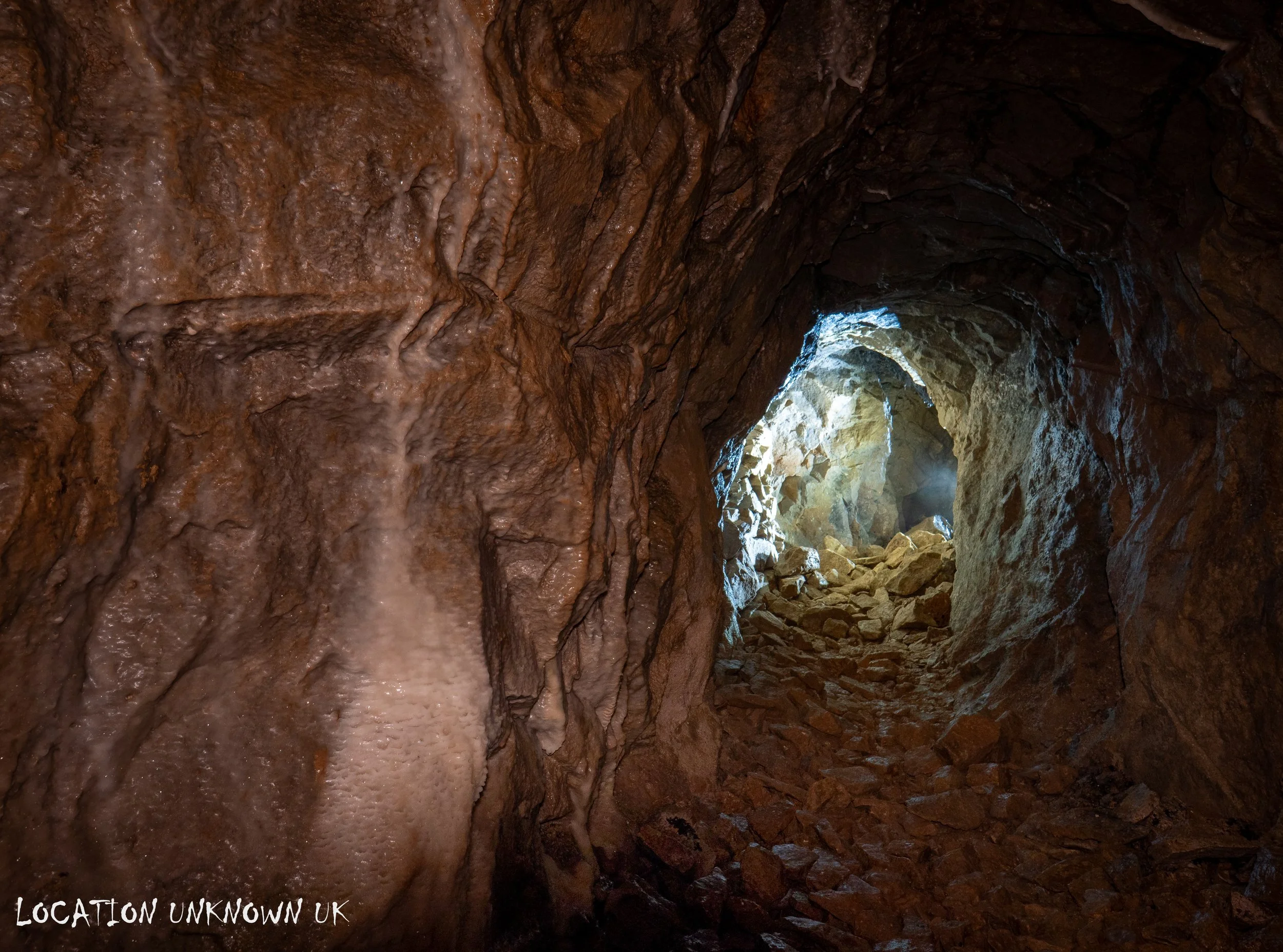
The mine itself was developed as a horizontal level, driven into limestone to reach mineralised fissures containing Lead and associated minerals such as calcite and fluorspar. The recorded underground passage extends for around 1000ft. Its surviving workings contain evidence of historic construction and transport methods, including stone supports, stemples, distinctive herringbone style roof construction and sections of wooden rail.
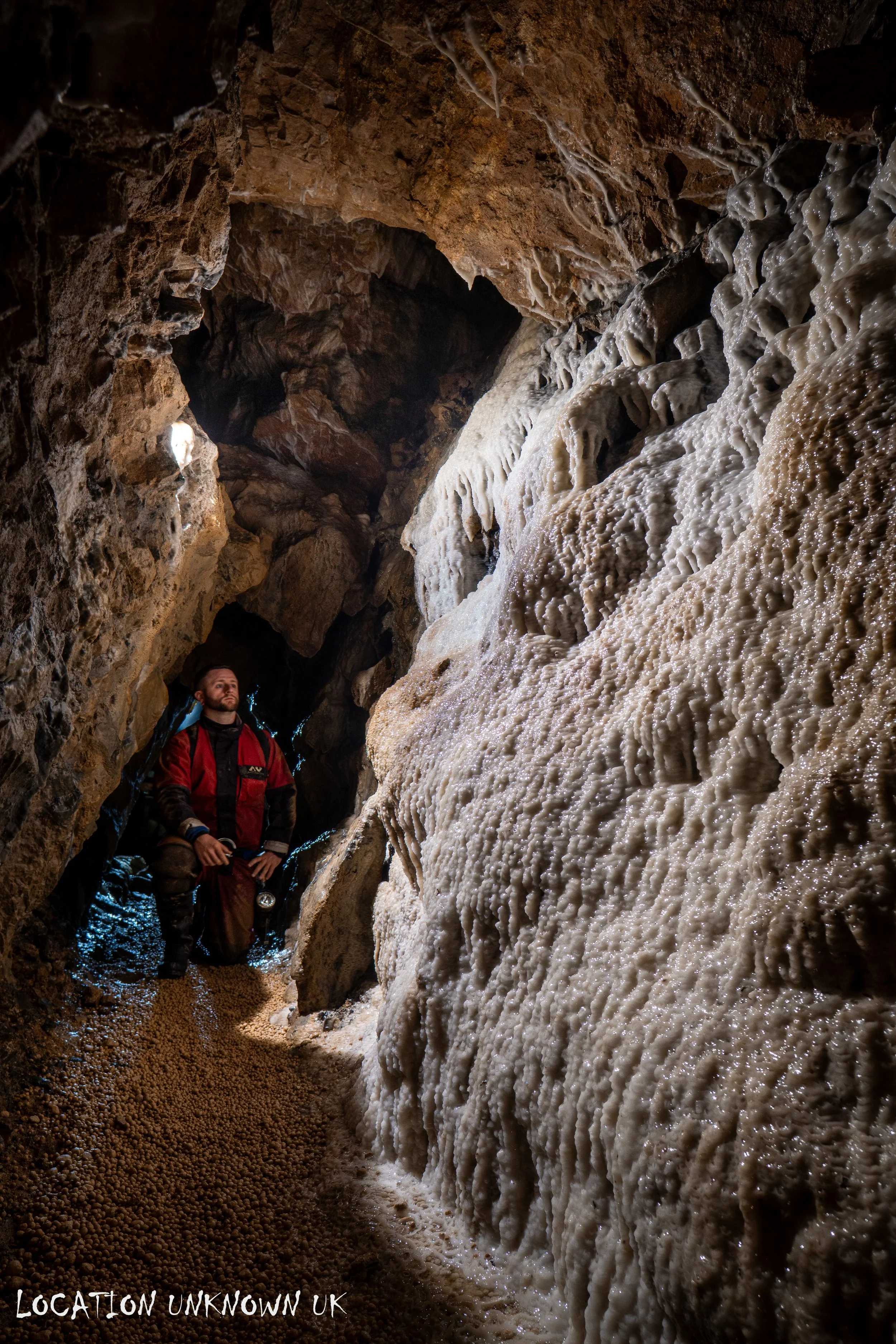
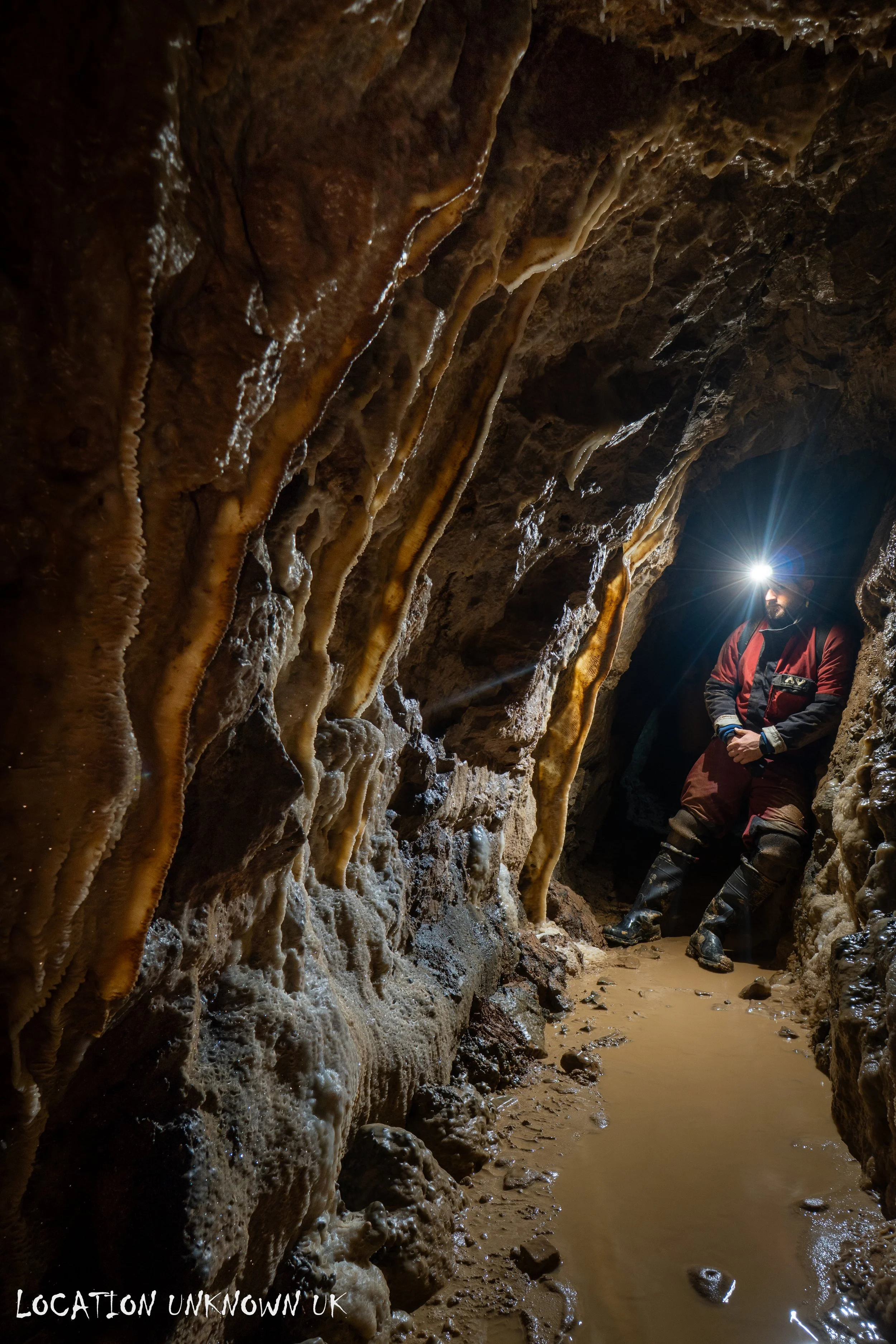
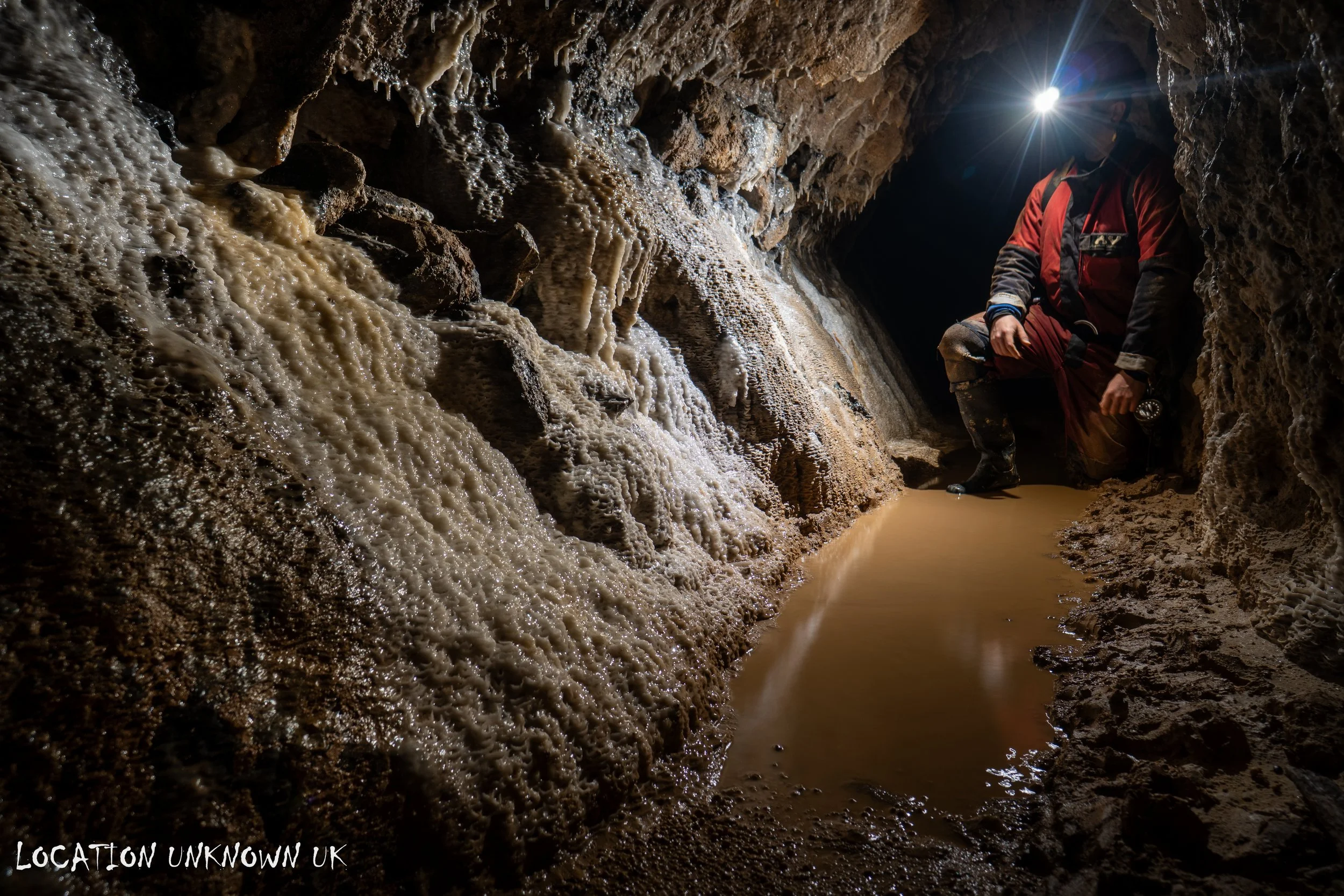
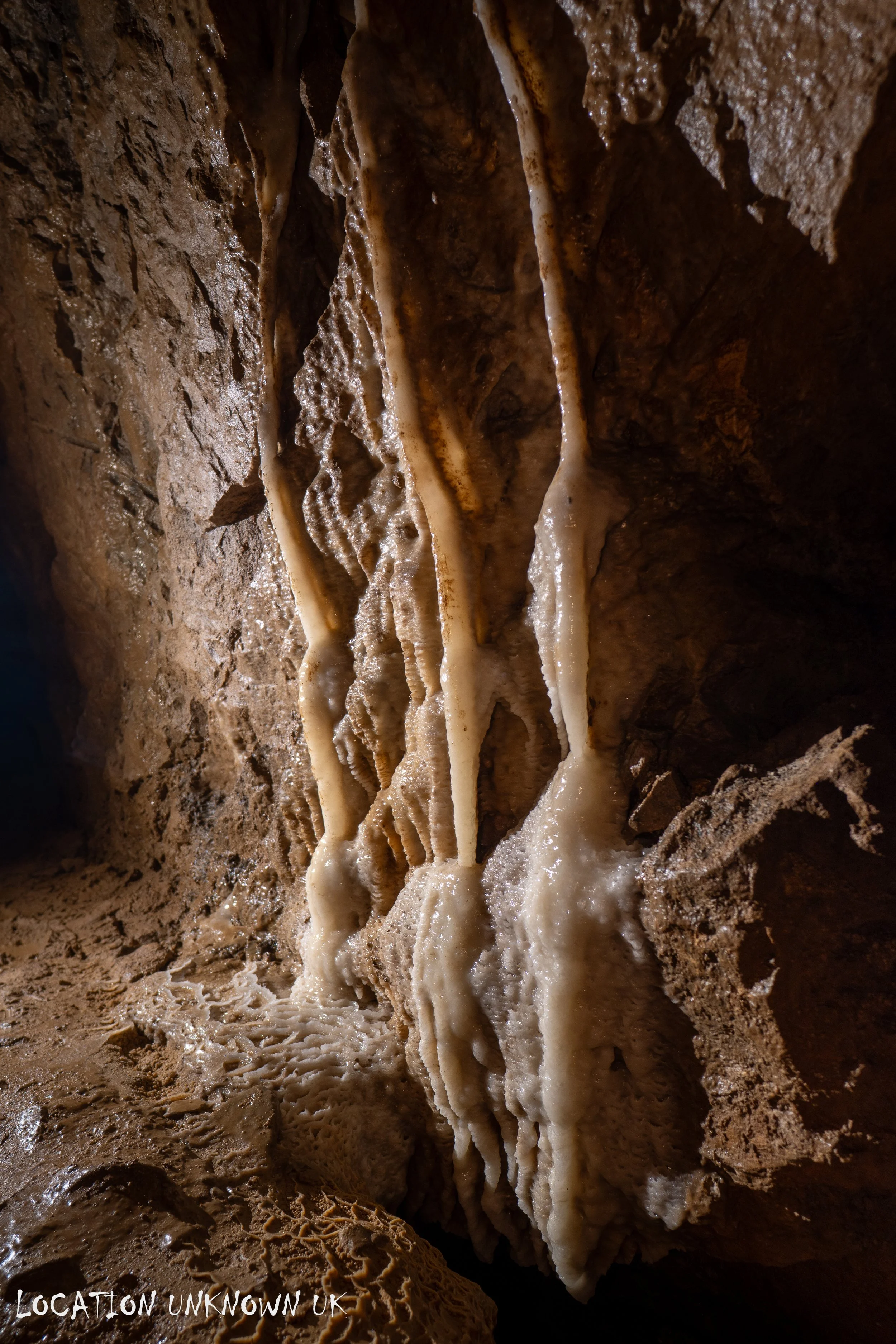
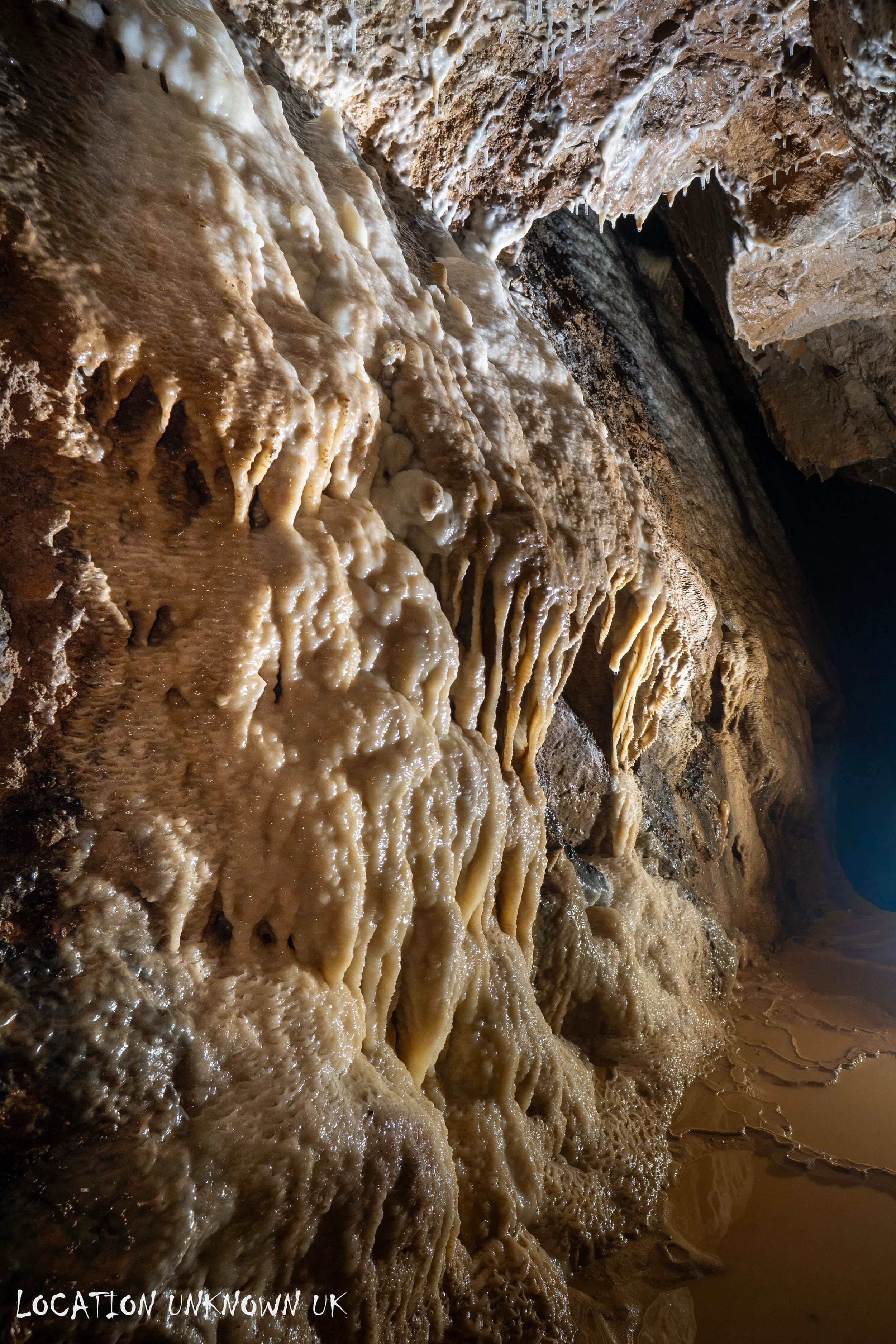
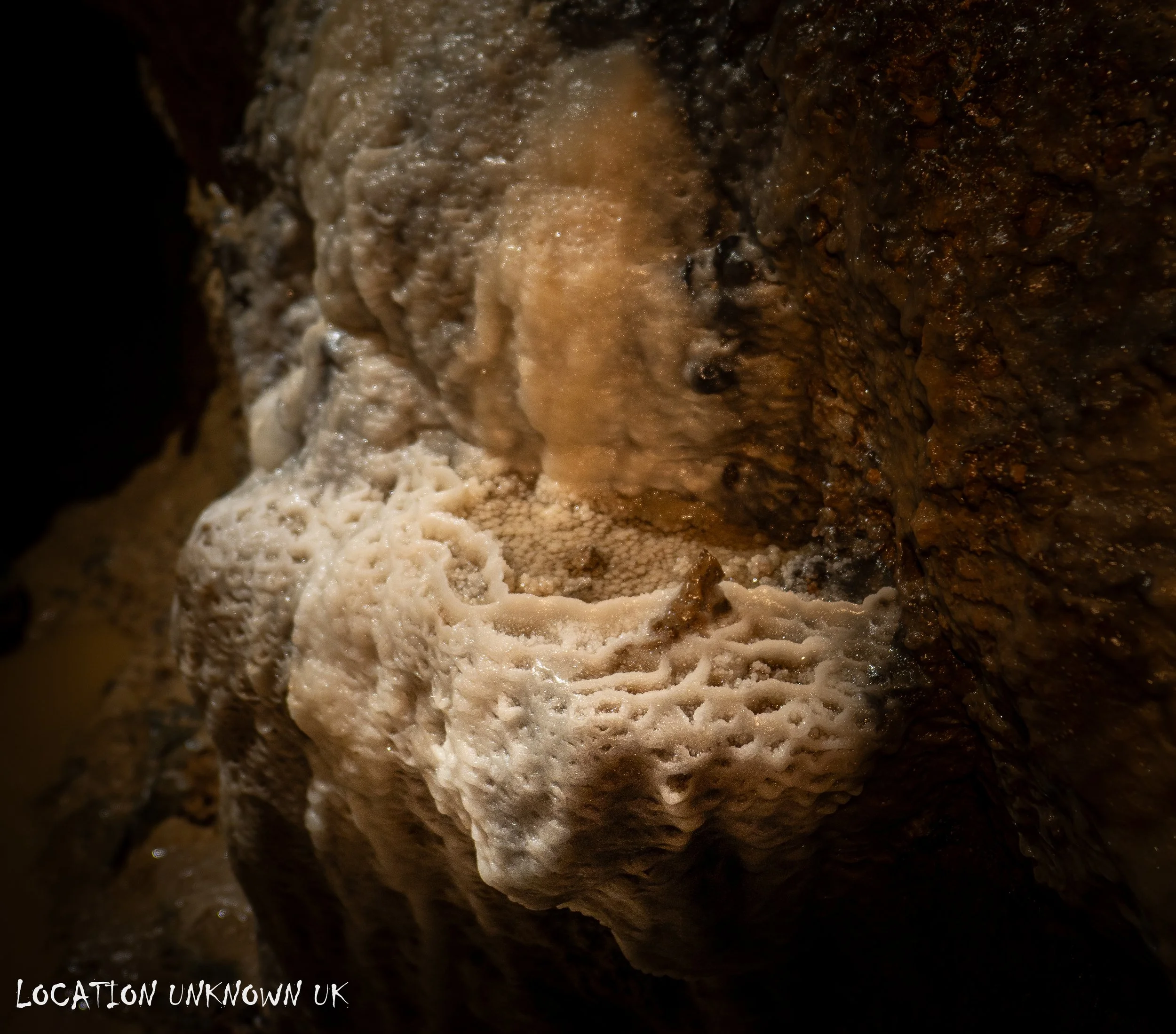
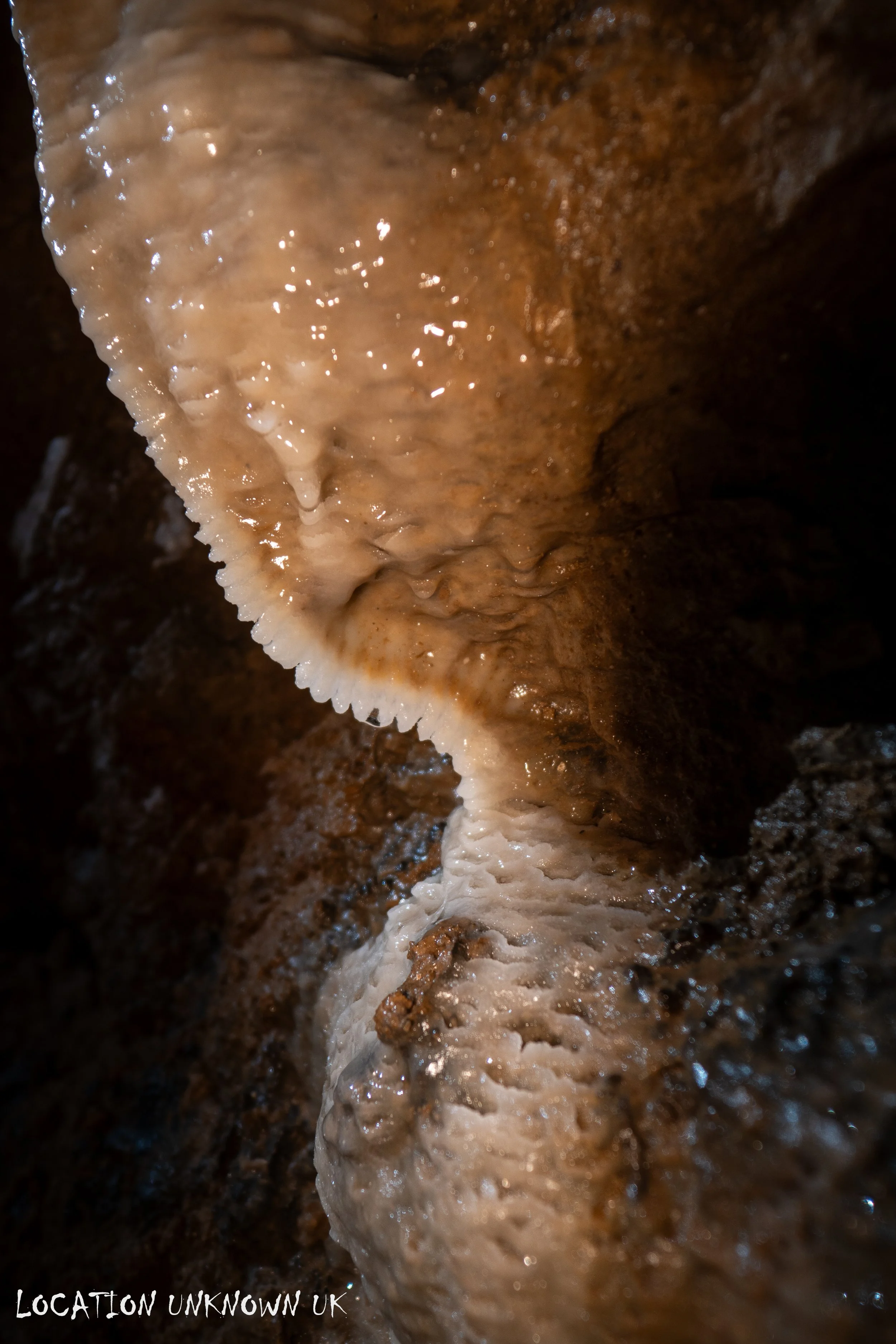
Horizontal levels also served an important drainage function, allowing water to escape from the underground workings; elsewhere in Derbyshire, much larger drainage tunnels known as soughs were constructed to permit deeper mining. Following abandonment, groundwater and mineral rich water produced deposits of calcite and flowstone over sections of the original workings.
The wider Derbyshire lead industry reached a major period of production during the 18th century, supporting mining communities, smelting operations, merchants and landowners, before gradually declining as accessible deposits became exhausted and competition from other mining districts increased and by the late 19th century, large scale lead production in the region had largely ceased.