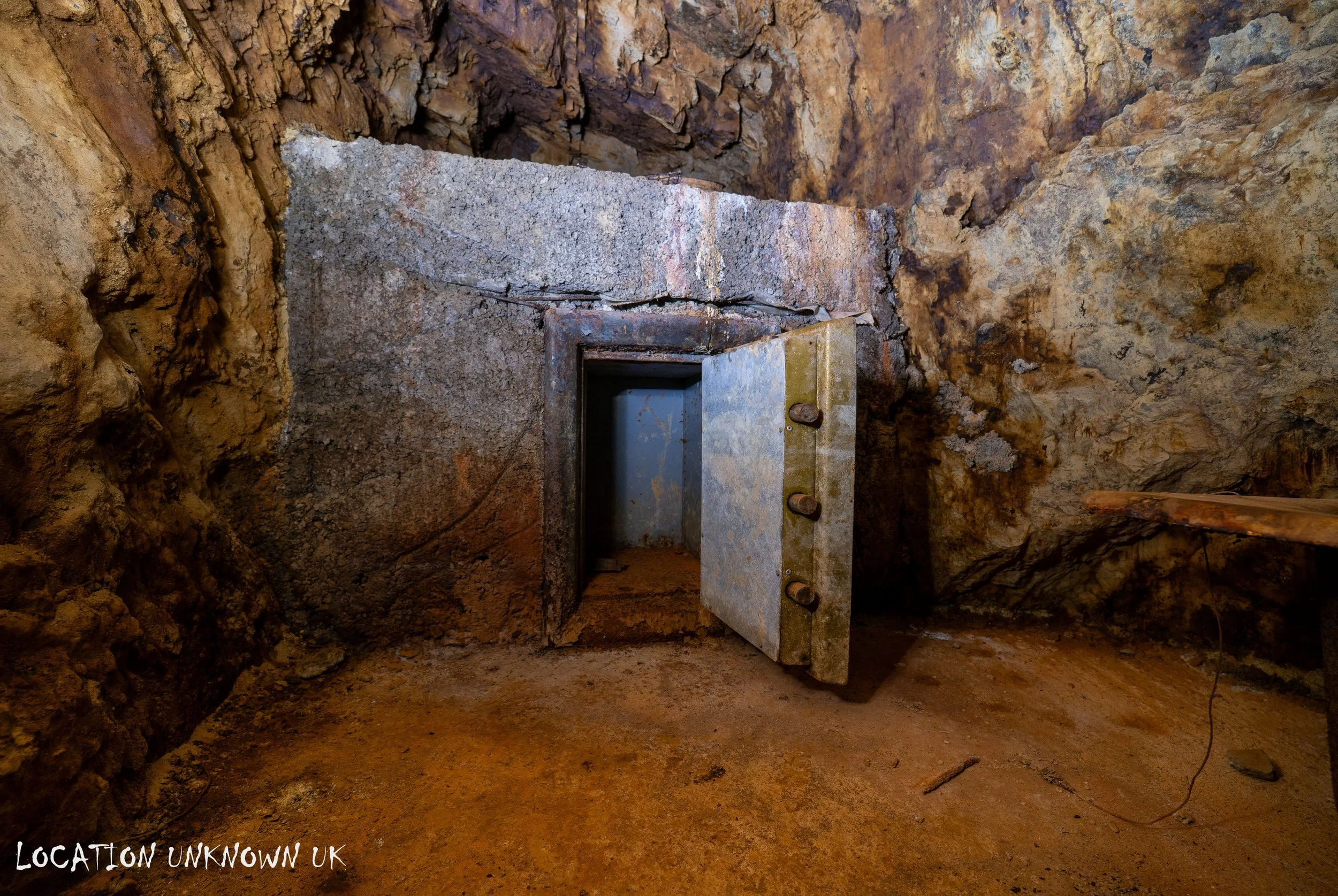
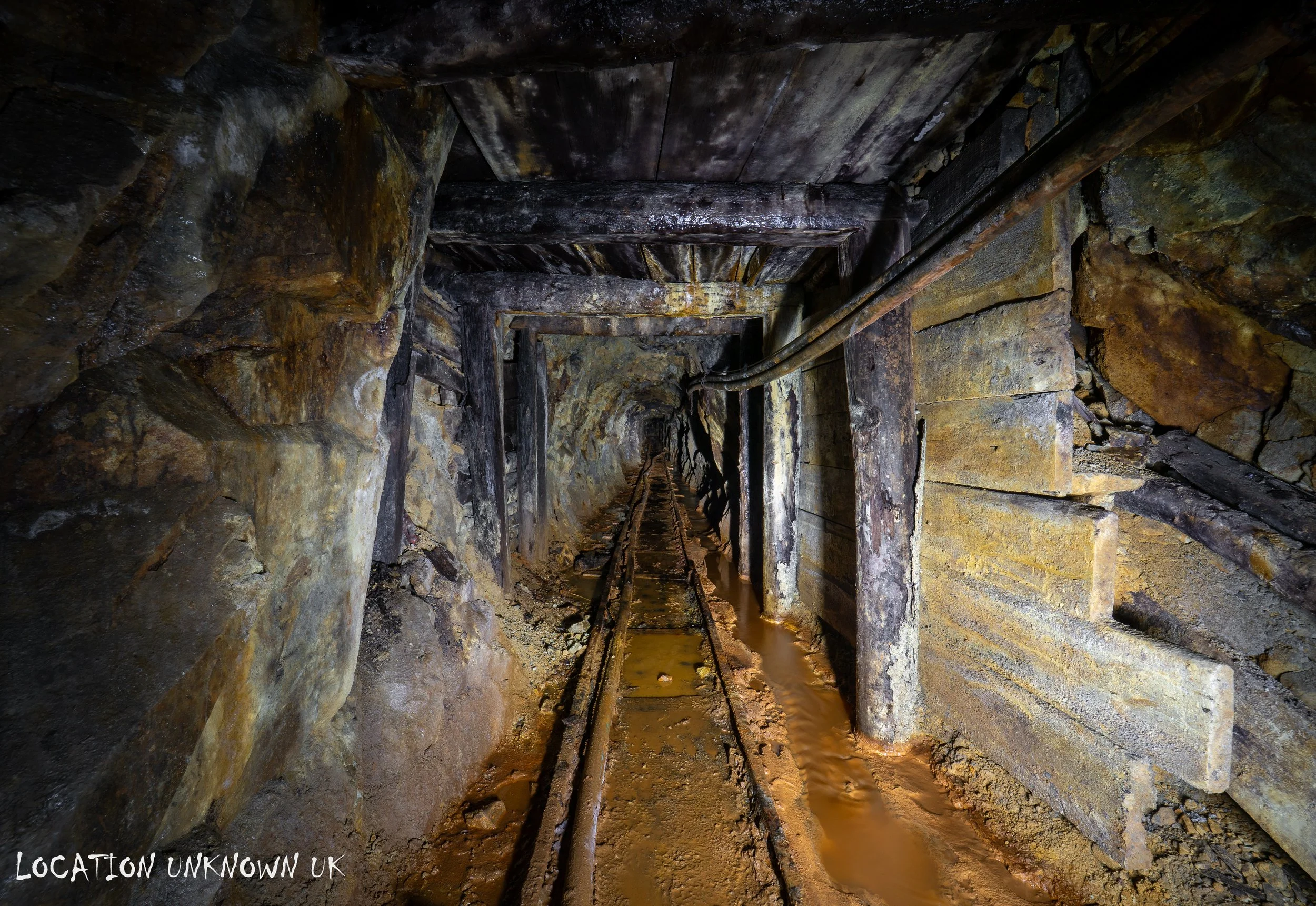
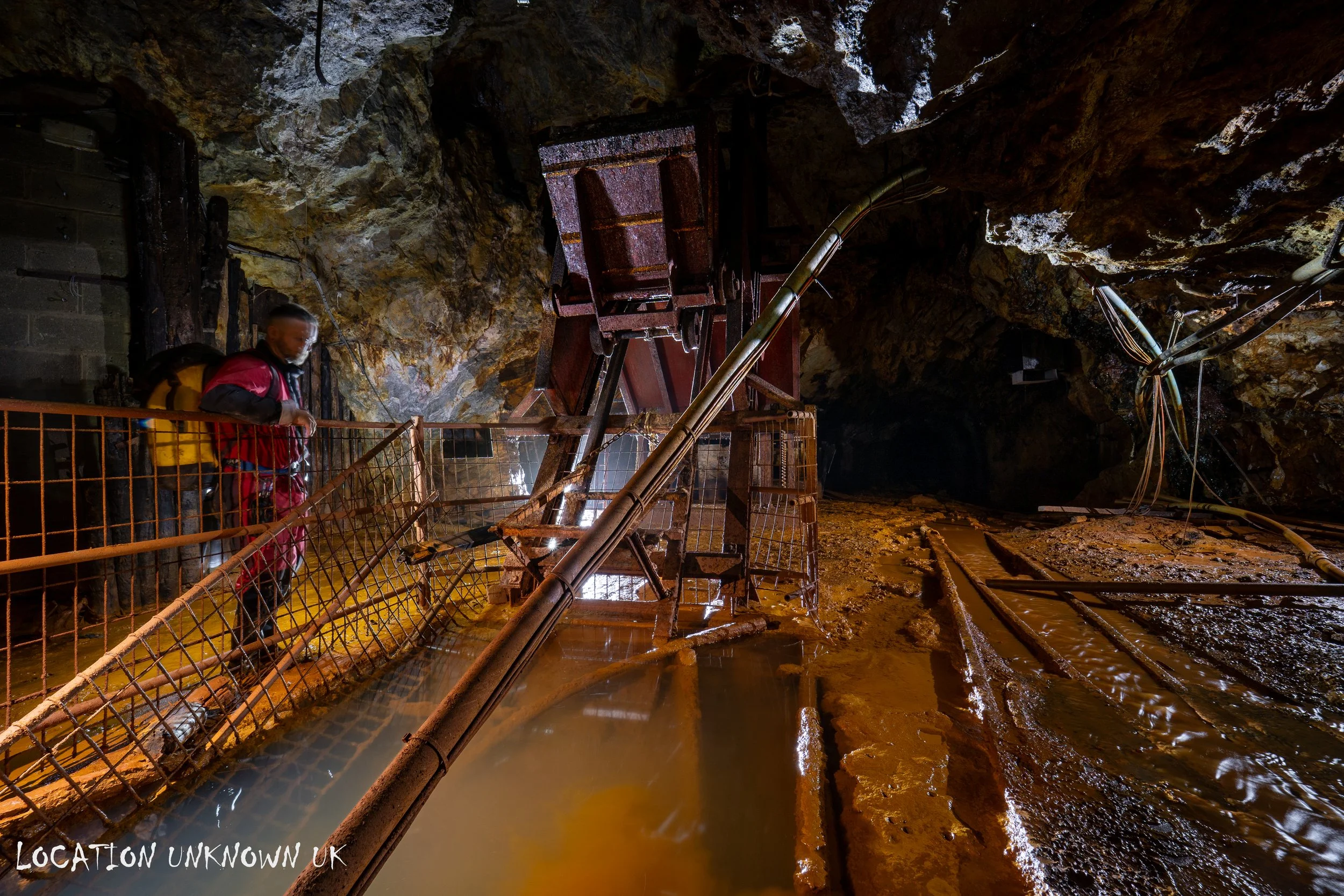
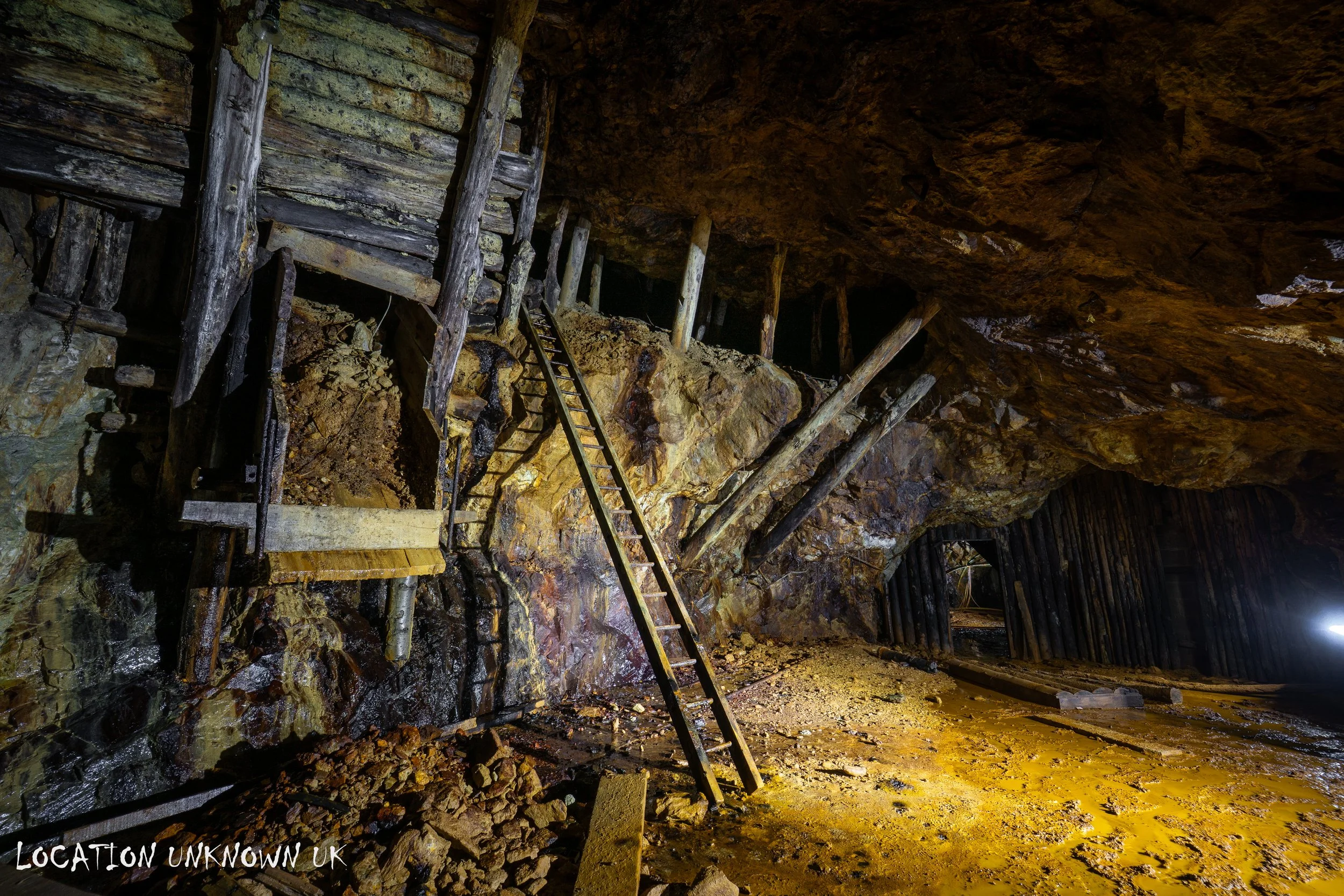
Gwynfynydd Gold Mine - Wales
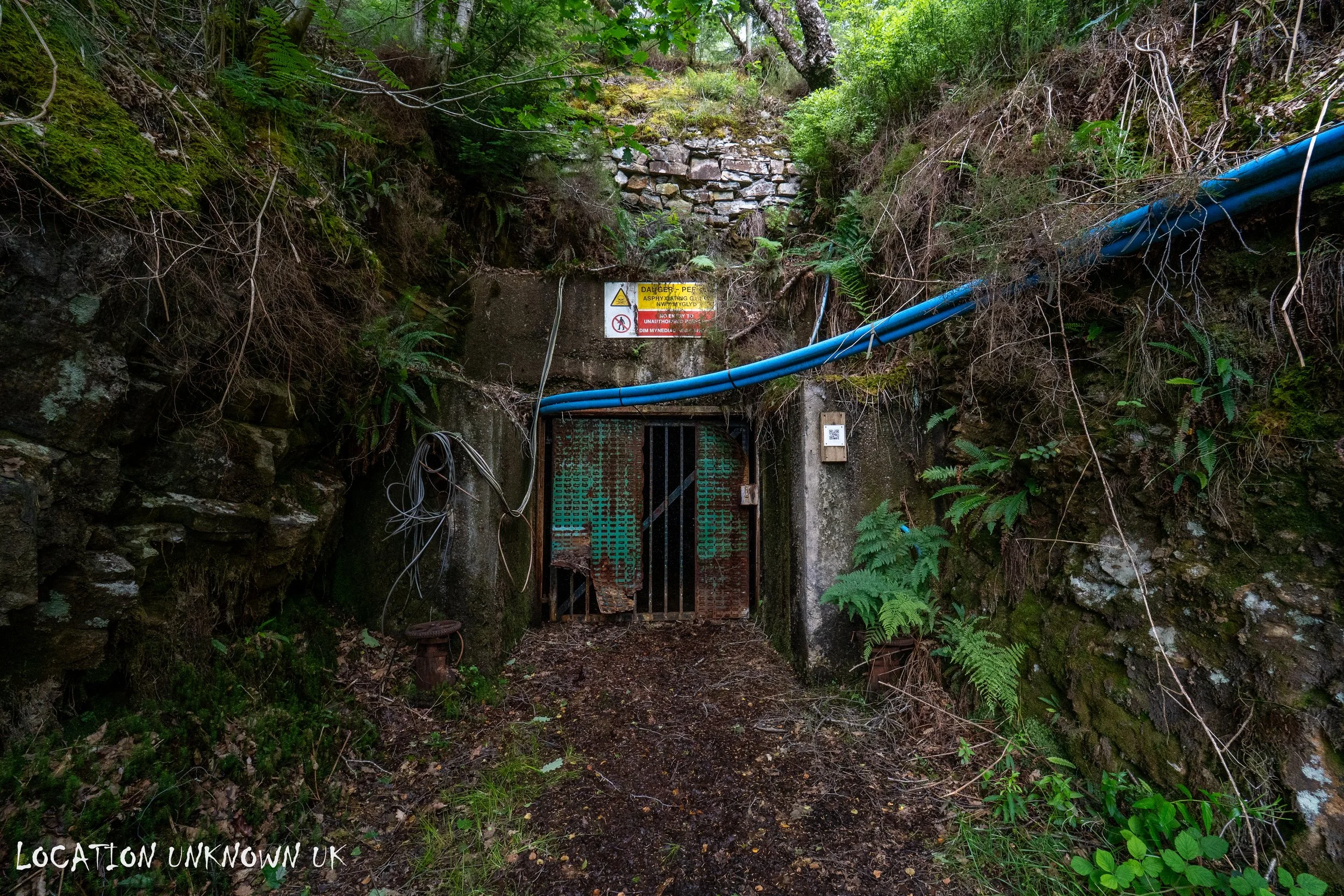
Our first visit here resulted in us climbing around in overgrowth, during a rare British heatwave with no signs of the illusive entrance. It didn't help that the nearest phone service was a fifteen minute drive away from the area, so in the end we called it a day and accepted defeat.
After some more research we reluctantly tried again a couple of weeks later unsure of whether we would be more successful this time round but all in agreement that if we weren't we probably wouldn't be giving it another crack for some time.
We arrived at the meeting point around 9am, half hoping for another heatwave to commence so we could have a post mine dip in the picturesque river nearby but by this time the heat had died down a fair bit.
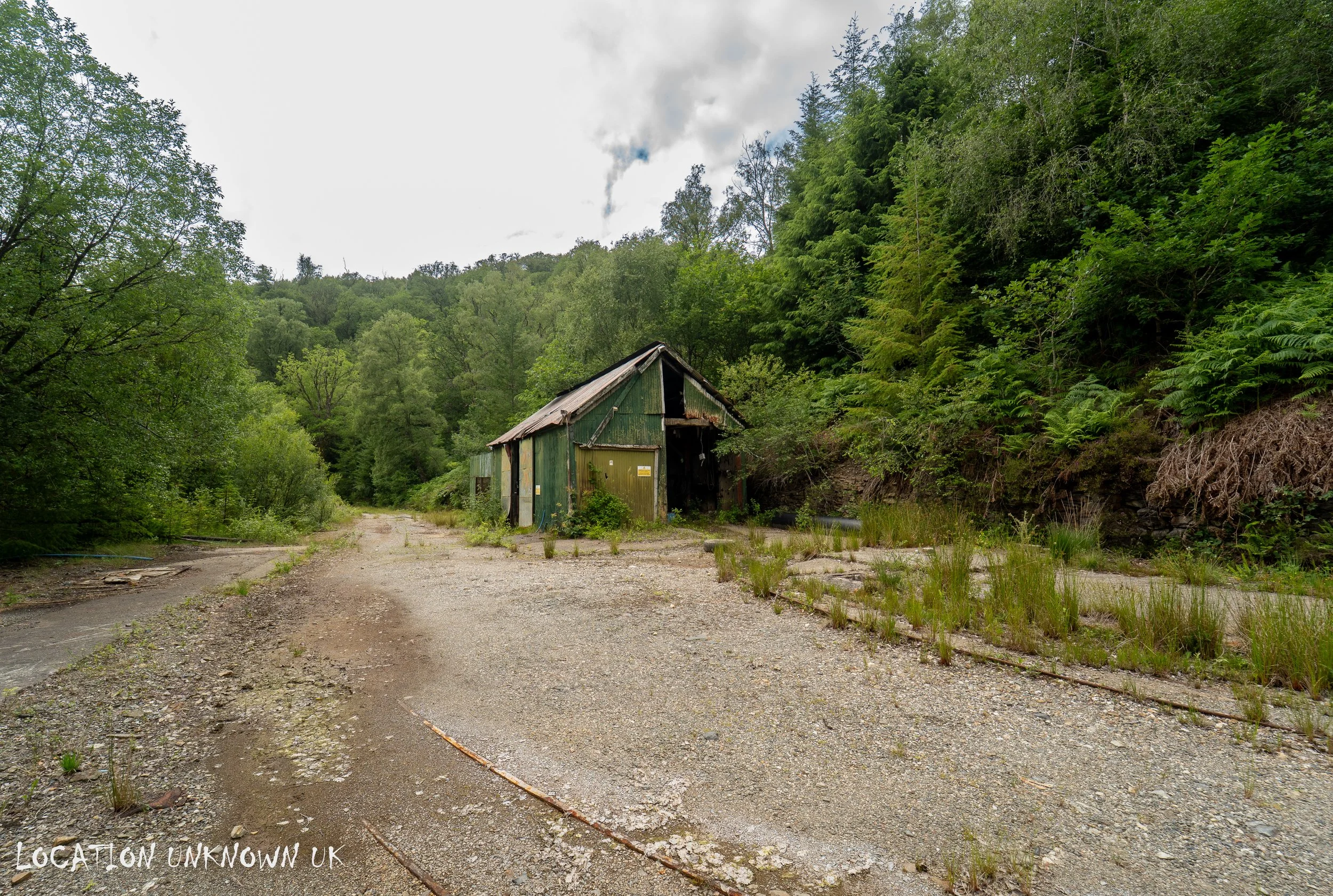
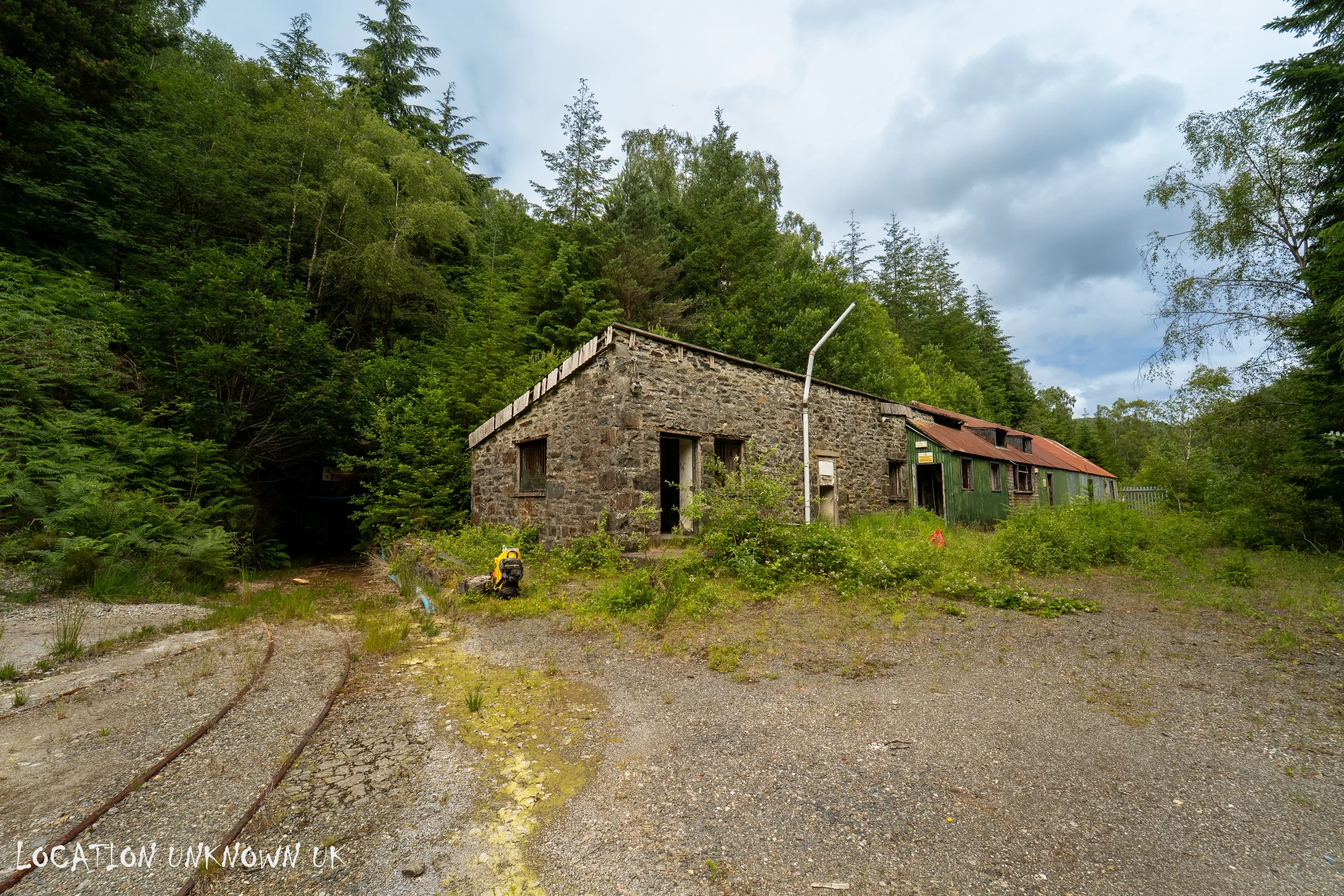
After a half hour hike through the stunning welsh valleys we once again battered our way through the overgrowth, stumbling across old mining remnants as we made our way through, this was a promising sign and not far off from where we had the entrance pinned we saw our way in.
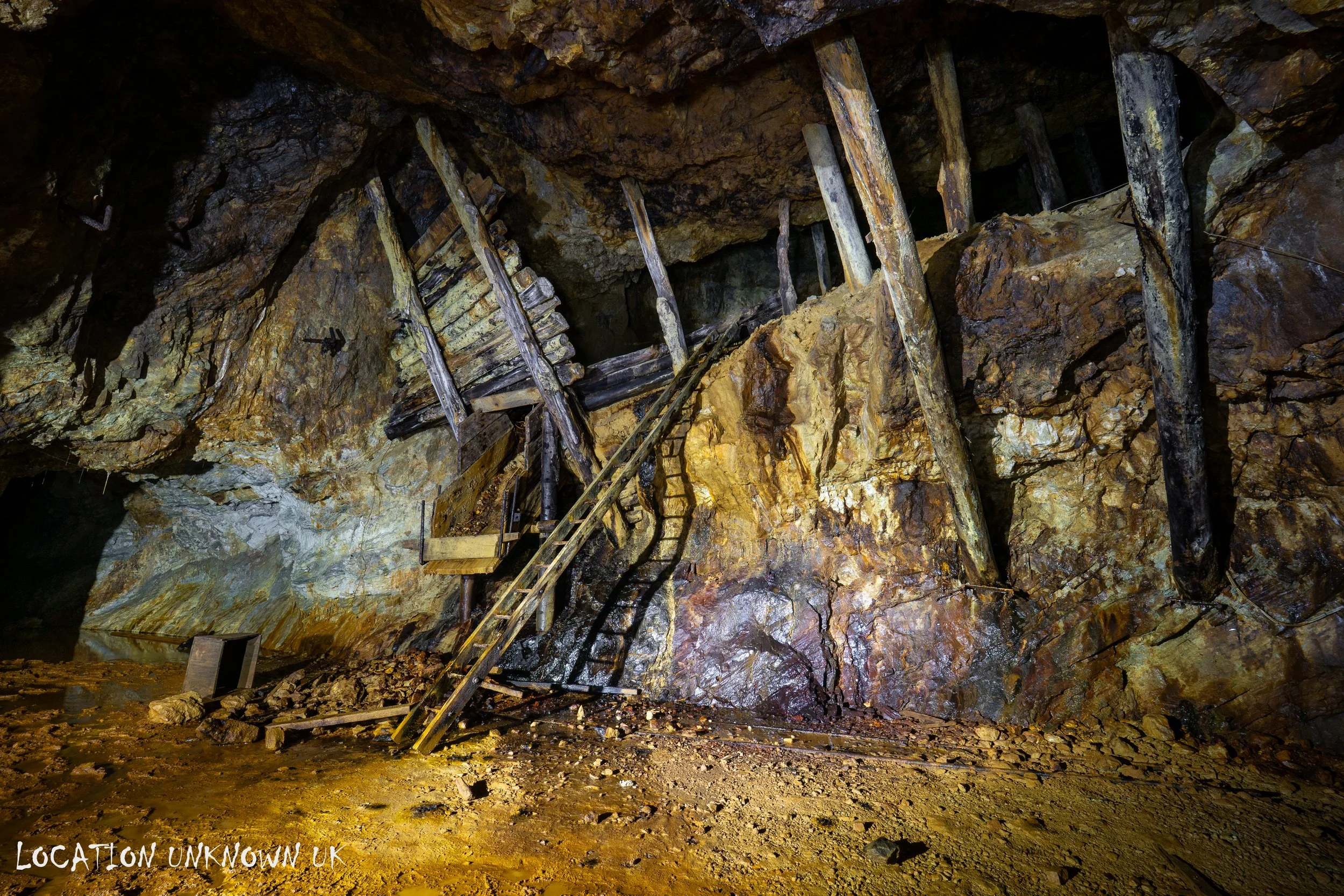
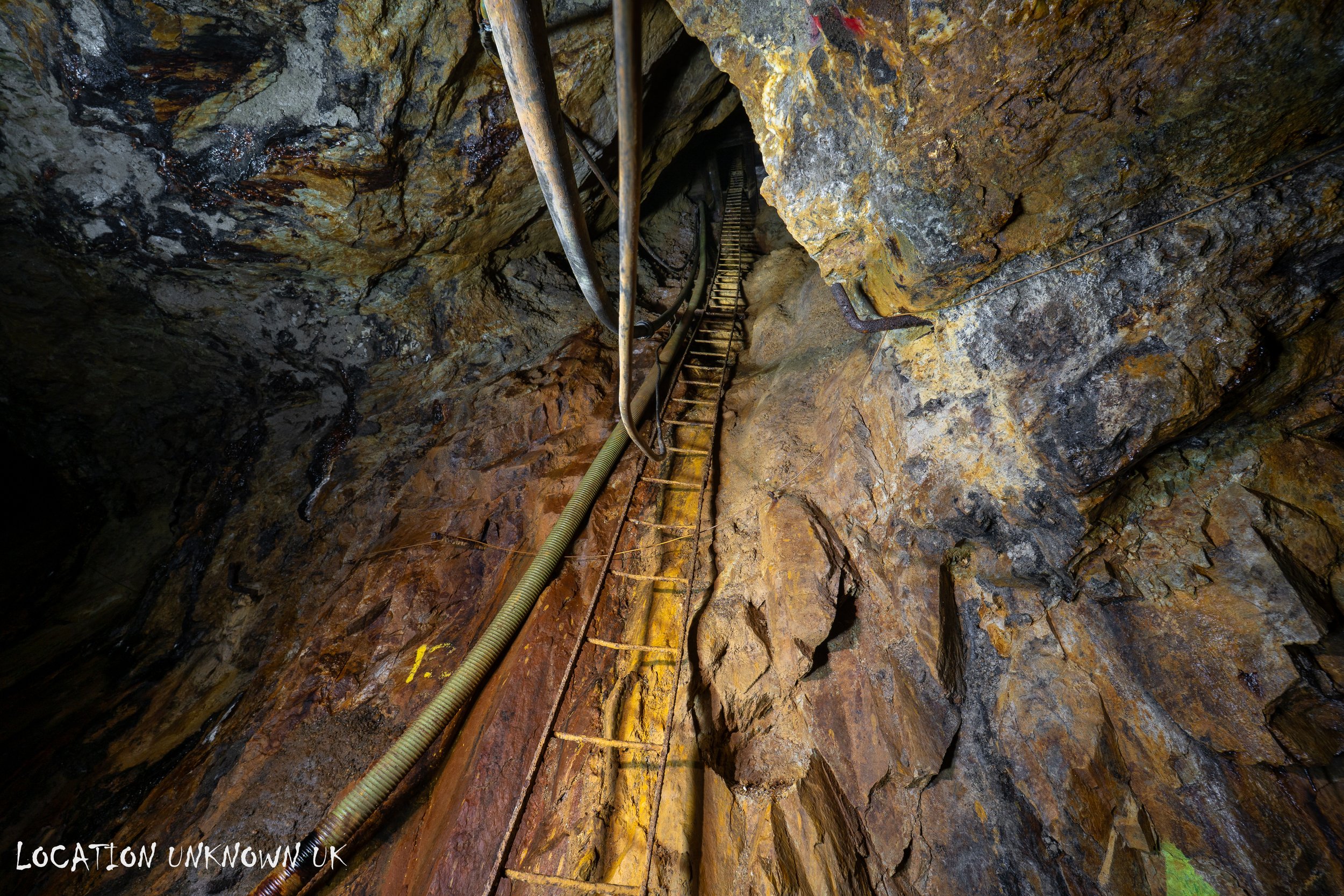
Climbing down through old stopes is was clear the neglect had led to some parts being rather sketchy but we trod carefully and made our way through the old workings and down a very shonky ladder.
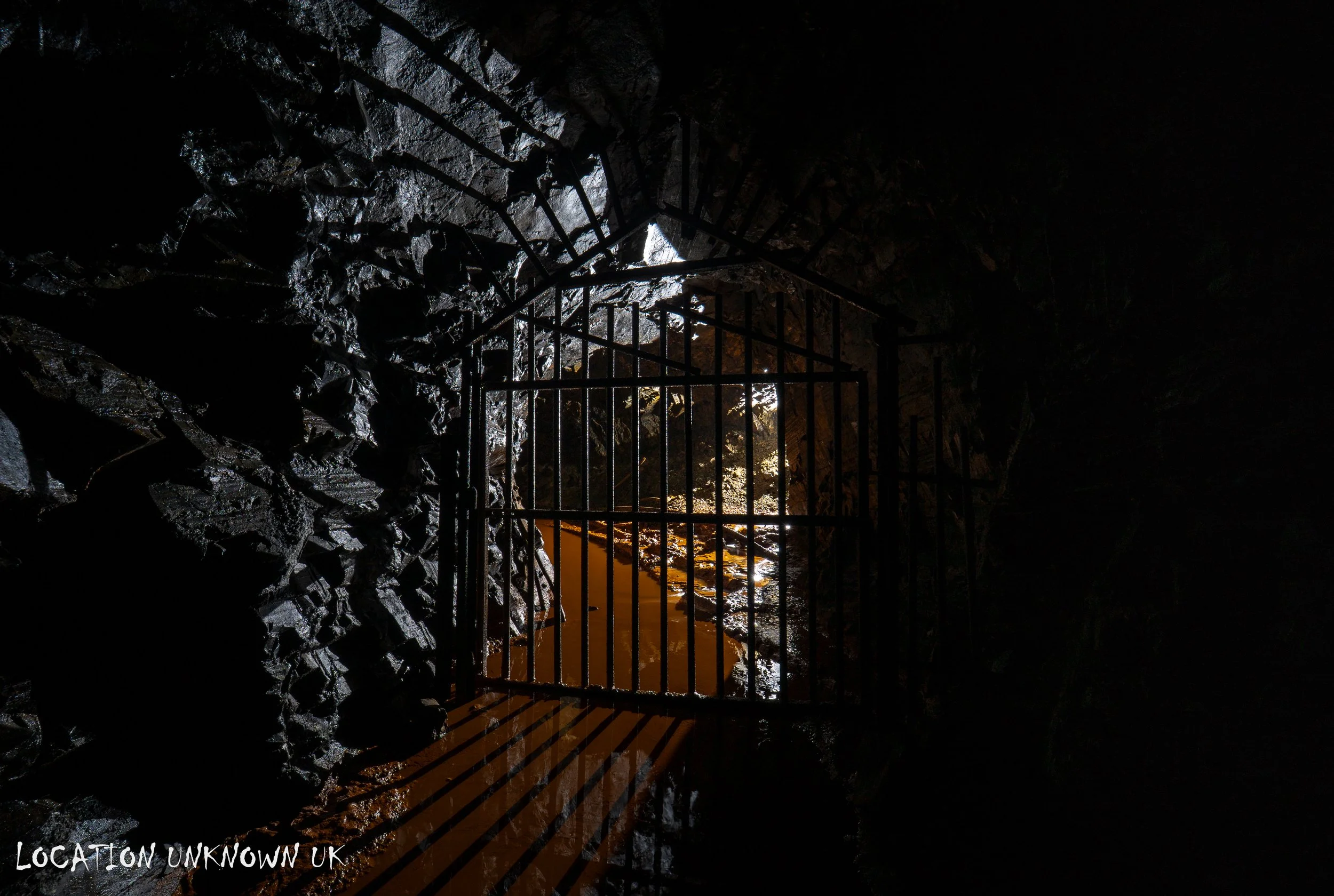
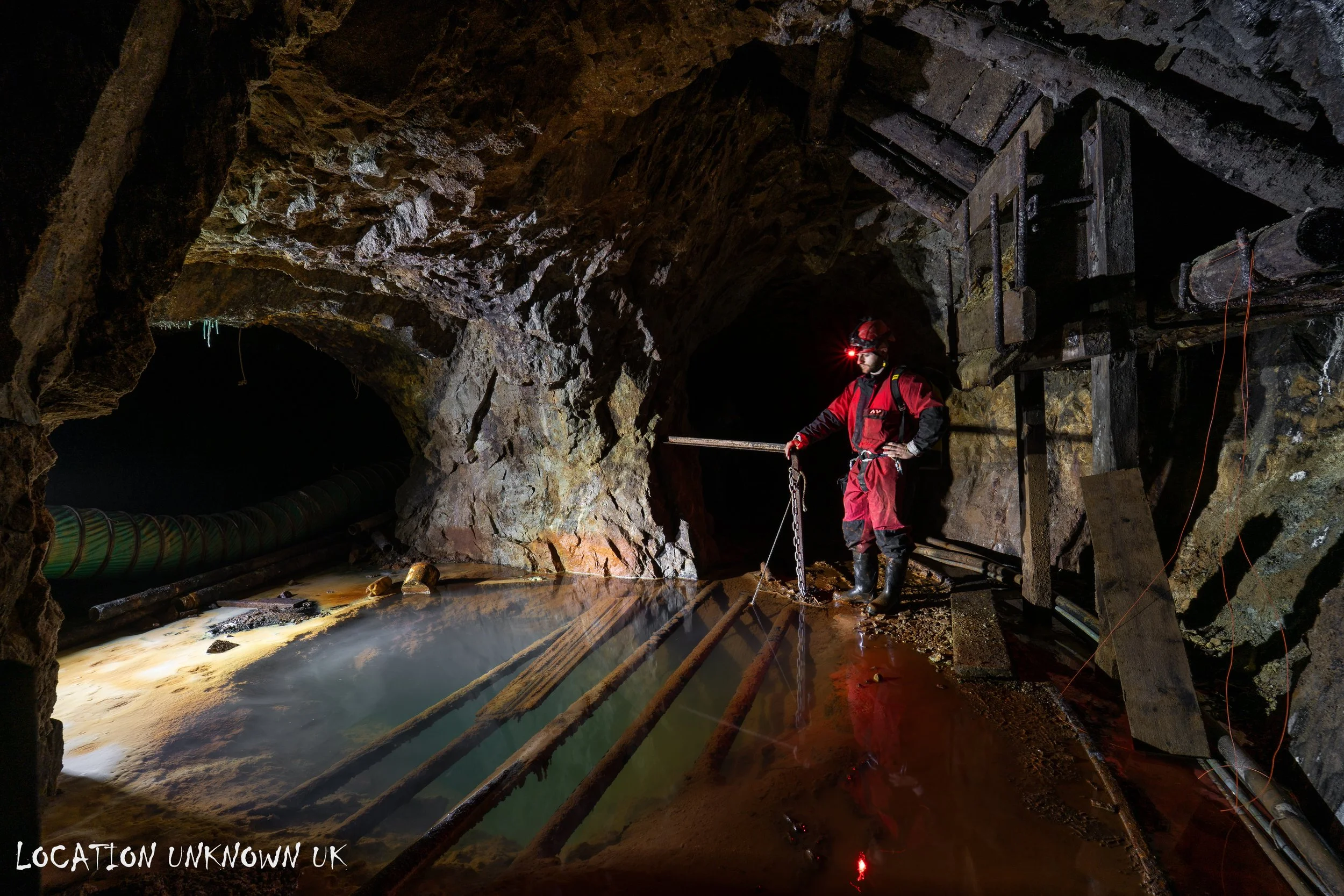
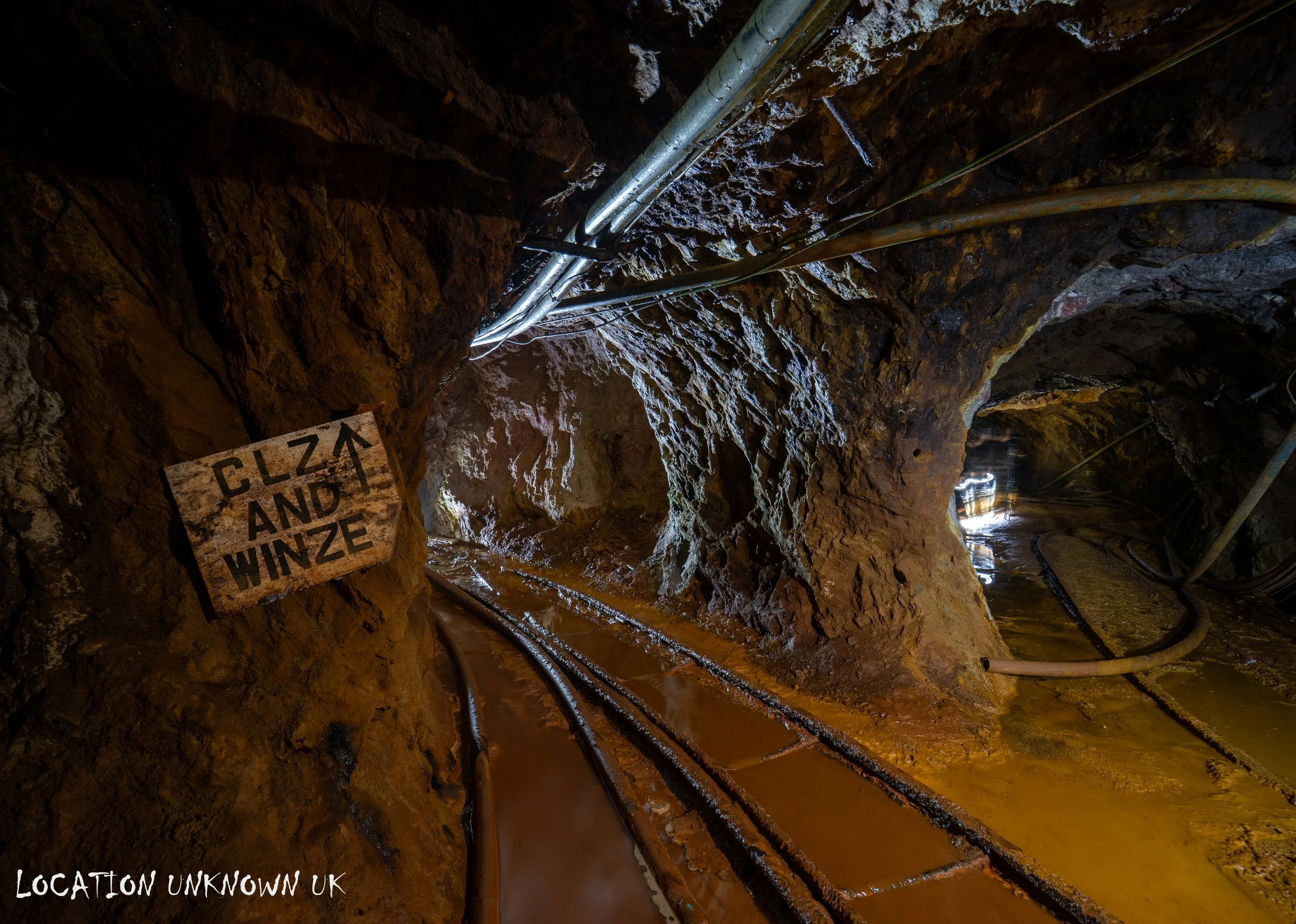
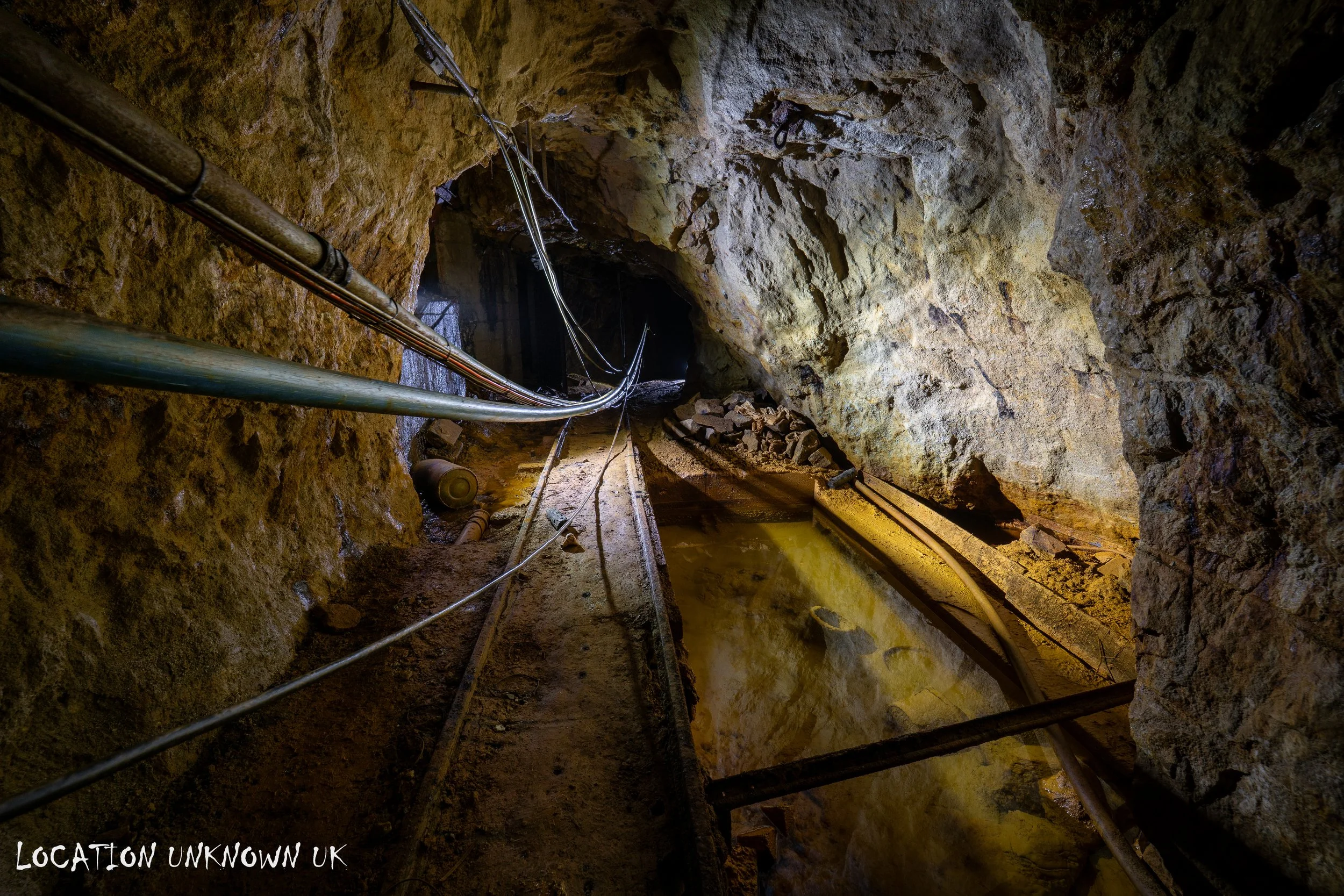
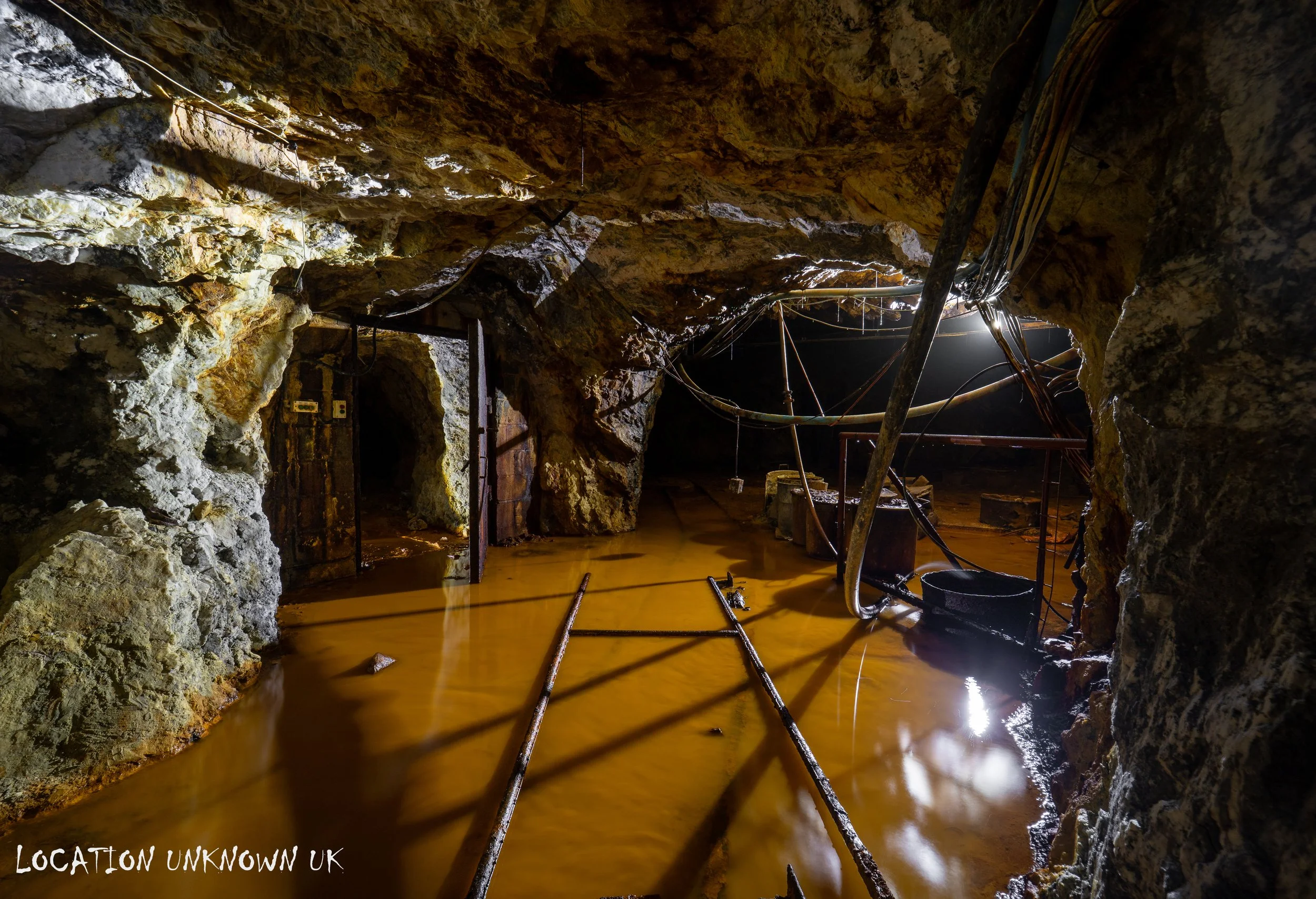
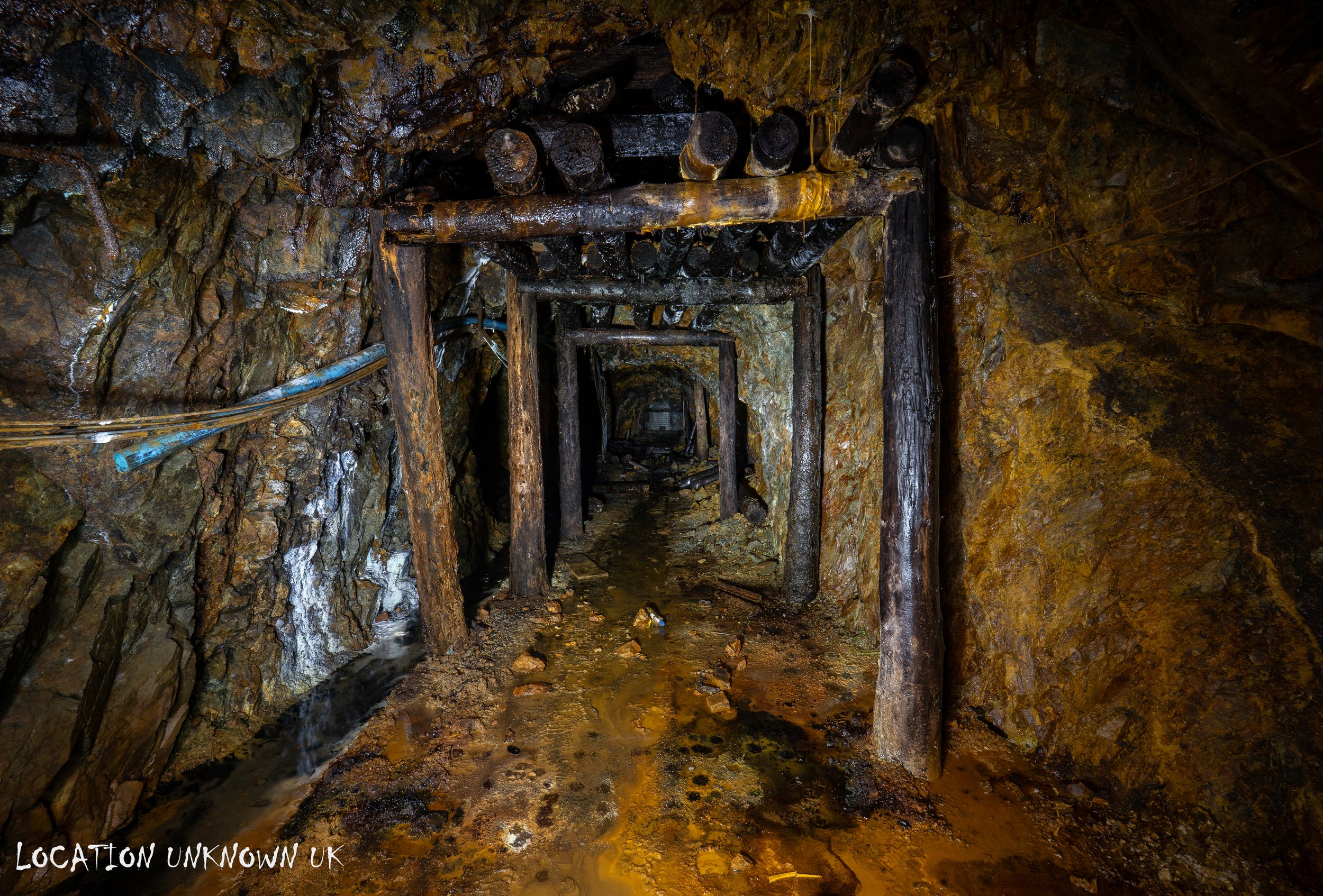
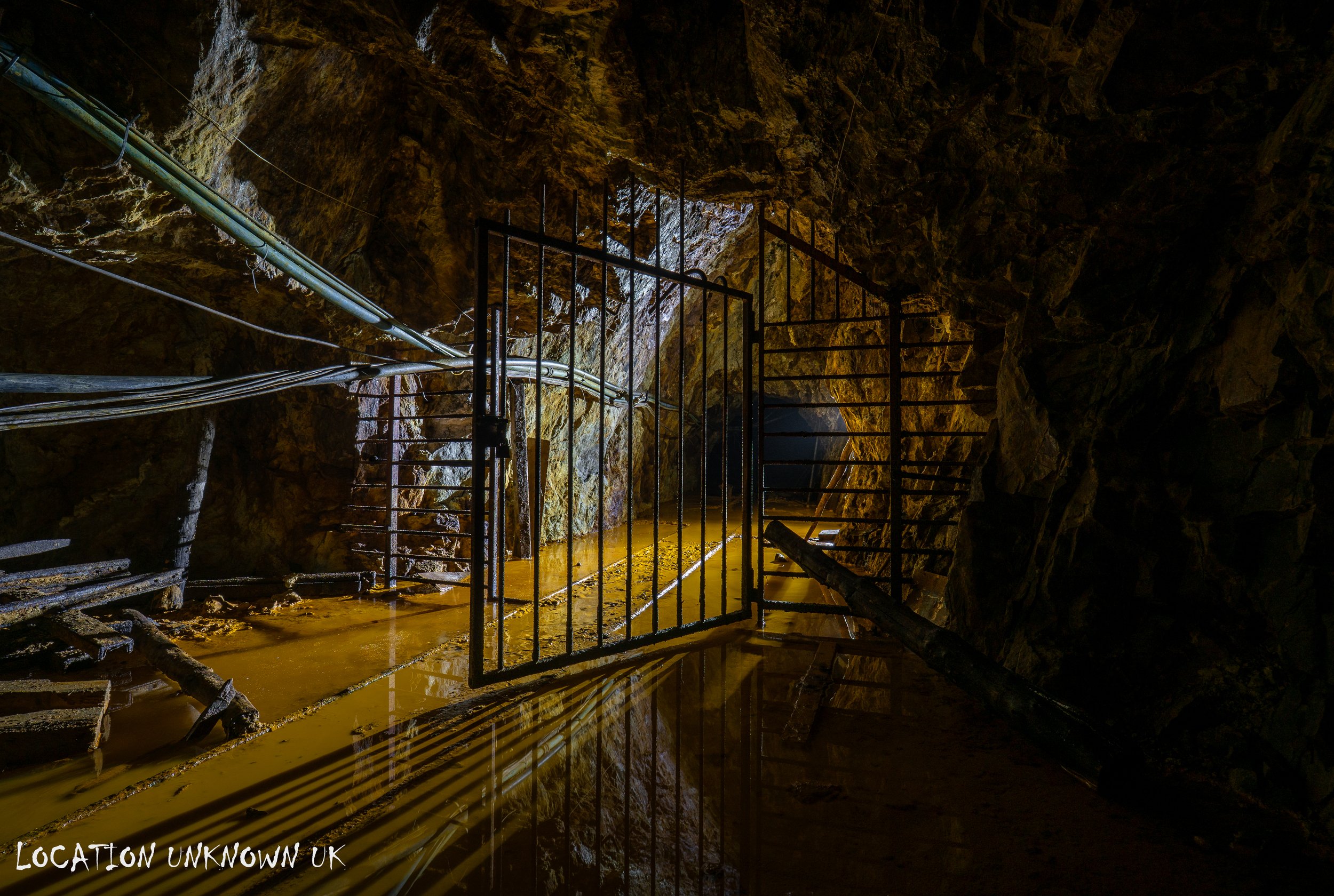
Before long we had made it into what we decided was the furthest point, following the main drag towards the former main adit until the water level got deeper and roof began to get much lower, it didn't look like anyone had passed this way in a very long time.
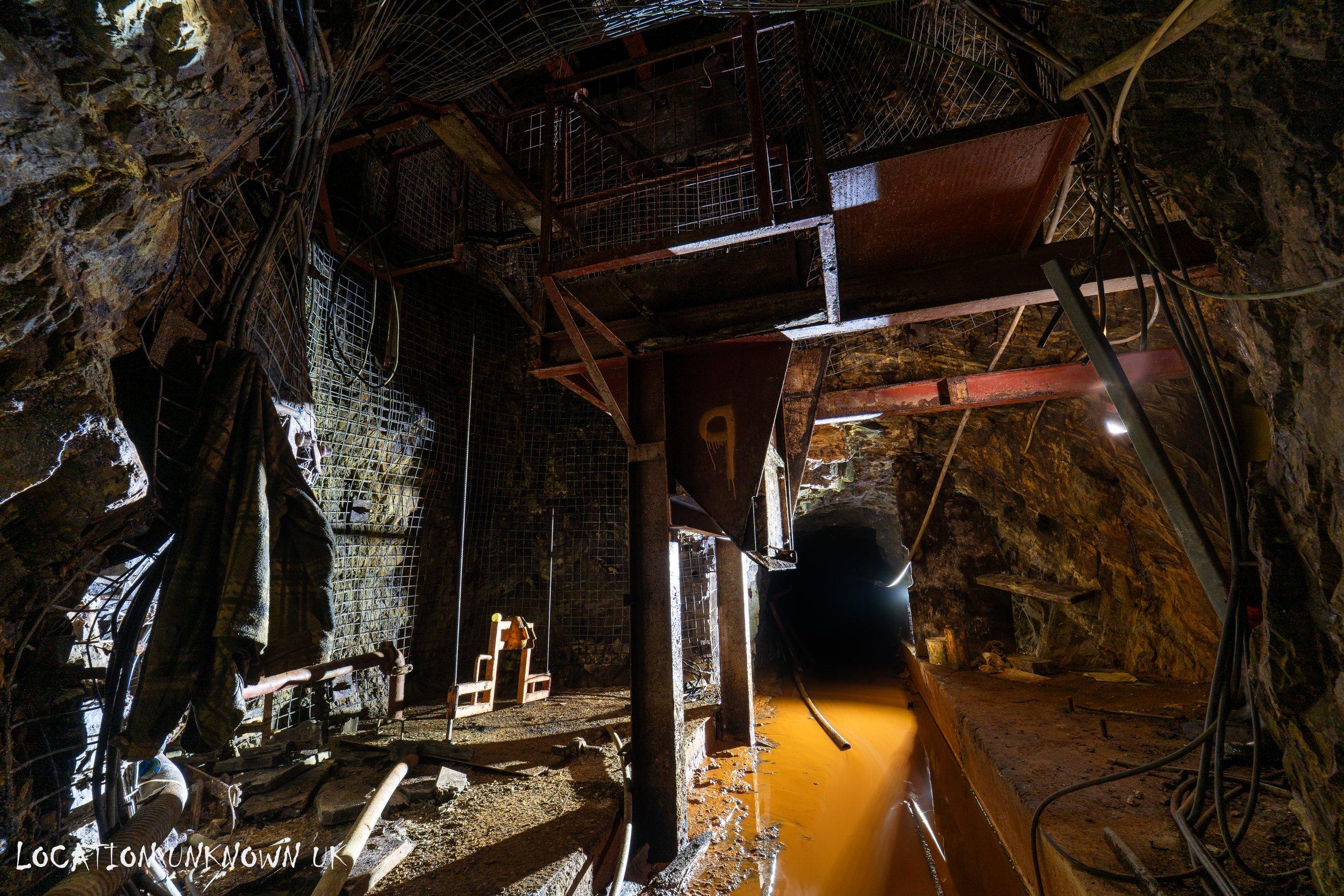
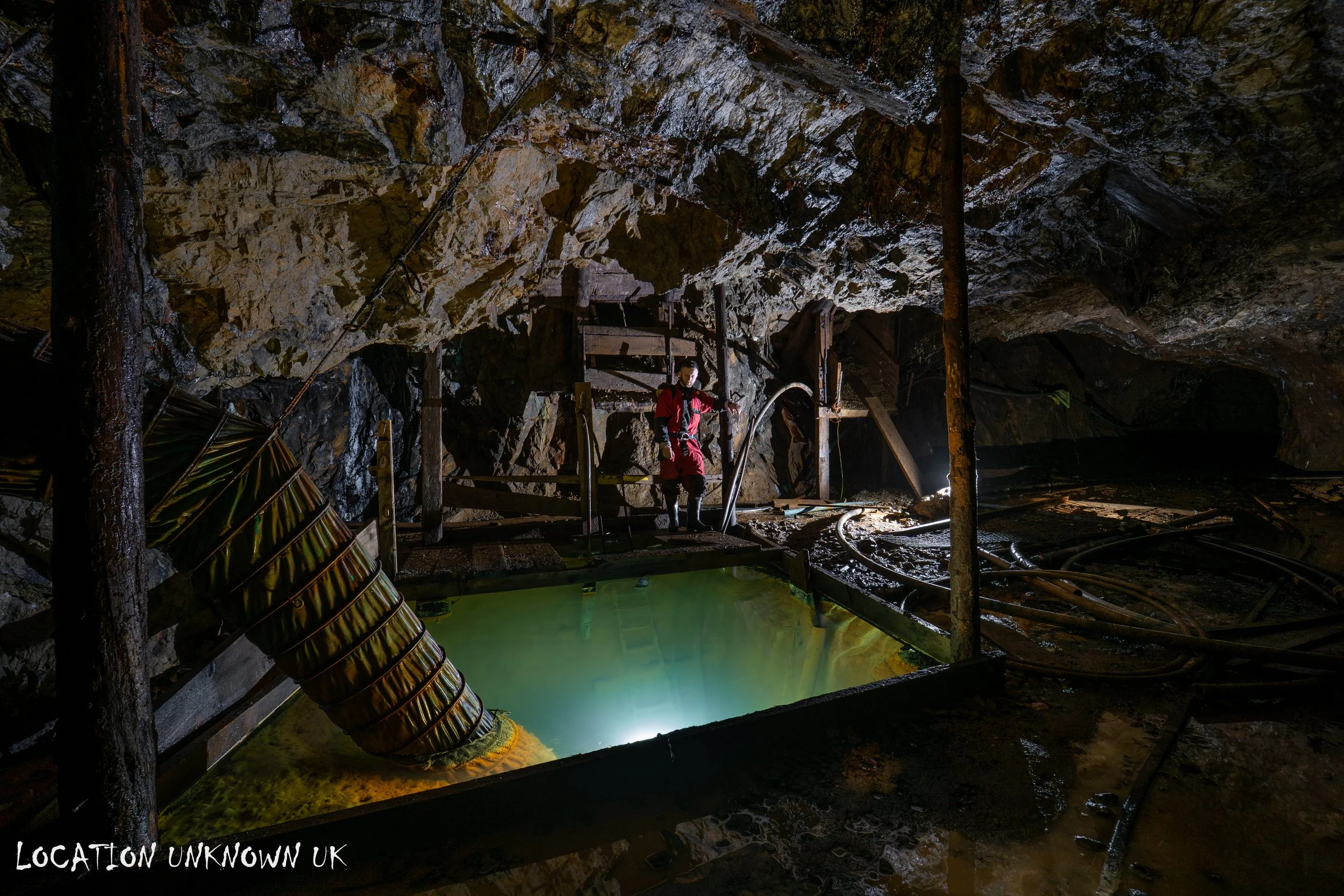
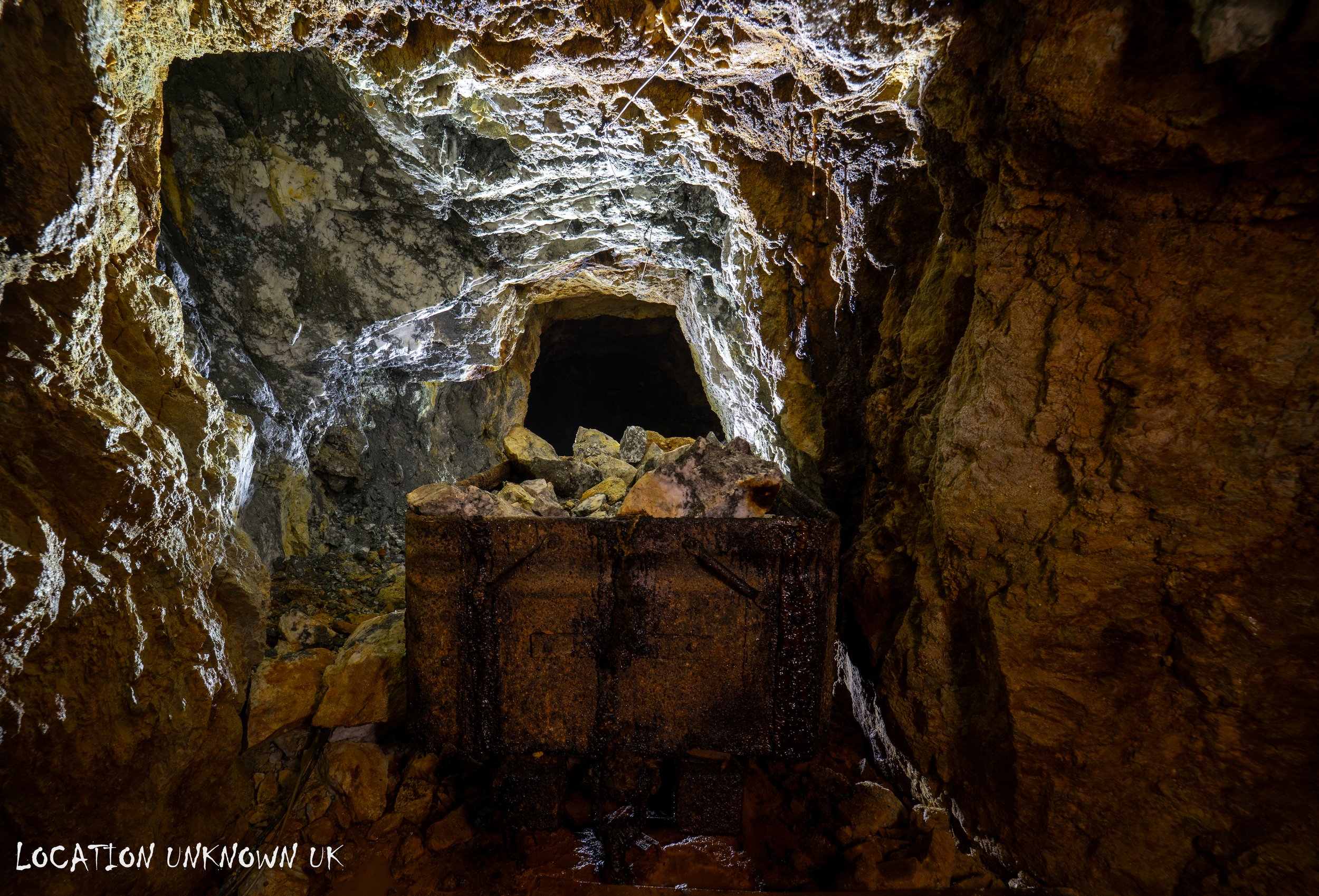
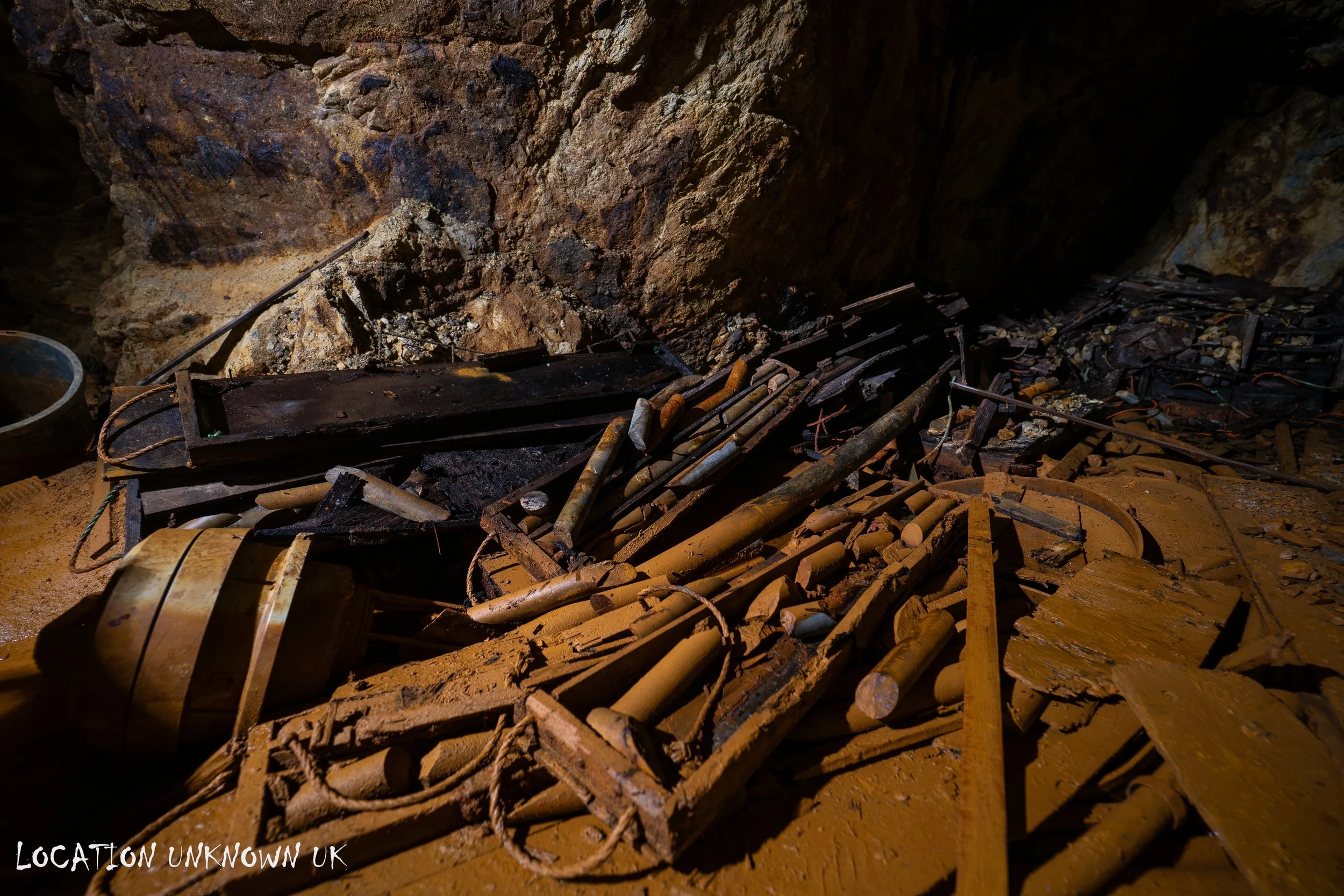
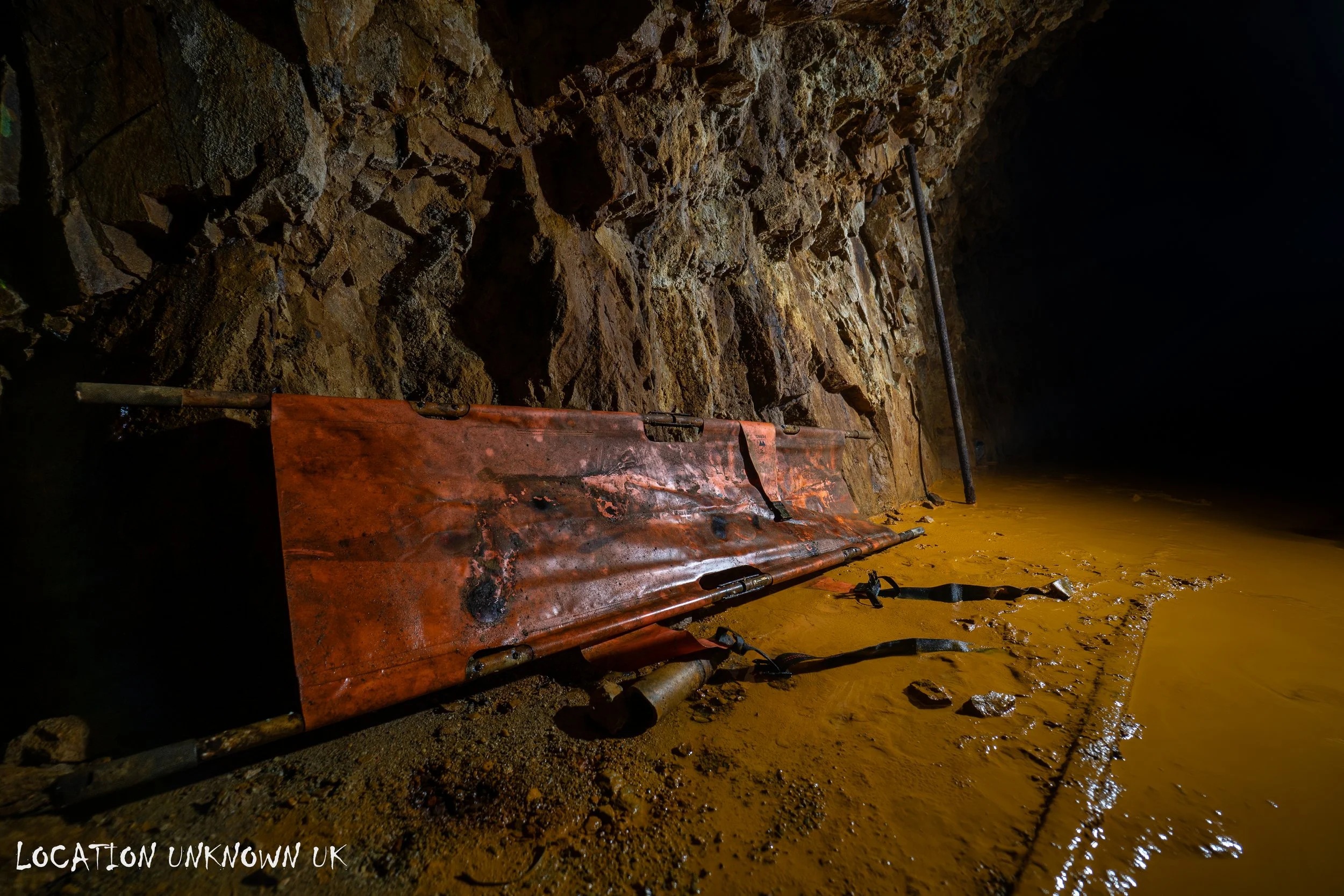
This was when we decided to find a dry area to get our cameras out and work our way back, exploring all the nooks and crannies and shooting along the way. Highlight for me were the endless amount of ore chutes scattered about and flooded winzes.
History
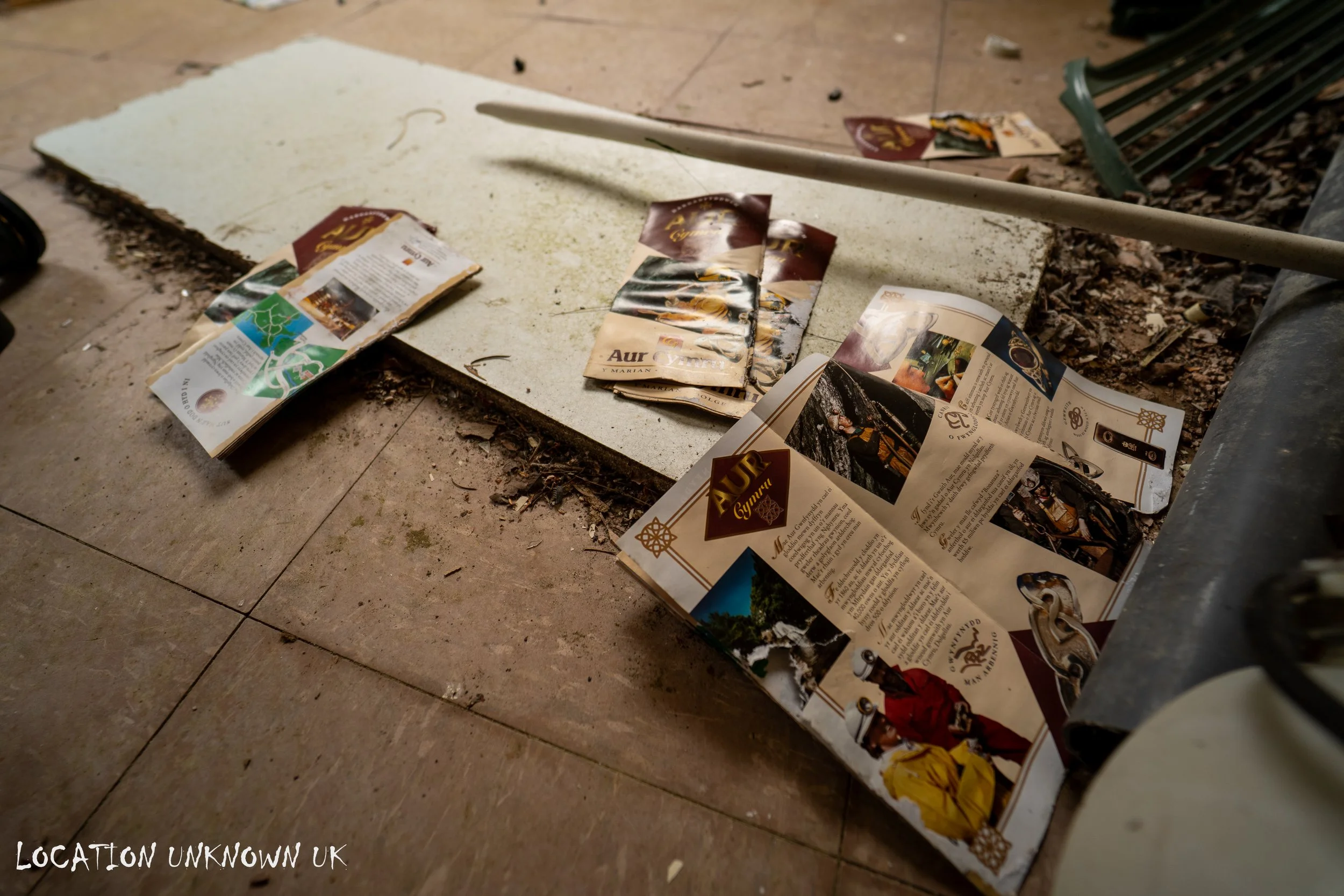
Gwynfynydd Gold Mine is one of the oldest and most productive gold mines in Wales, situated near Ganllwyd in the Dolgellau Gold Belt within Eryri (Snowdonia) National Park. Gold was first discovered at the site in 1863, although commercial mining did not begin until 1887 when the mine was purchased by Sir William Pritchard Morgan, a wealthy mining entrepreneur who became known as the "Welsh Gold King." His investment transformed Gwynfynydd into one of Britain's leading gold mines, helping to establish the Dolgellau Gold Belt as a world renowned source of exceptionally pure gold. During its most productive years in the late 19th and early 20th centuries, the mine employed around 200 workers and produced over 45,000 troy ounces (approximately 1.4 tonnes) of Welsh gold. The underground workings eventually extended to more than 19 miles (30 km) of tunnels, reaching depths of approximately 500 metres (1,640 ft) below the surface. Miners extracted gold bearing quartz from narrow veins using drilling, blasting, and hand tools before transporting the ore via underground narrow-gauge railways to the surface, where it was crushed in water powered stamp mills and processed to recover the gold. Mining operations were interrupted during both World War I and World War II because of labour shortages, but production resumed afterwards under several different owners. In 1986, a one kilogram gold ingot produced at Gwynfynydd was presented to Queen Elizabeth II to mark her 60th birthday. Welsh gold from the mine has also been used in royal wedding rings since 1923, including those of Queen Elizabeth II, Princess Margaret, Princess Anne, Diana, Princess of Wales, Queen Camilla, and Catherine, Princess of Wales, making it some of the most sought-after gold in the world. Despite continued exploration and modernisation, declining ore grades, rising production costs, and increasingly strict environmental and health and safety regulations led to the mine's closure in 1998.