Documentation of psychiatric institutions, primarily originating from the 19th and early 20th century county asylum system established under legislation such as the County Asylums Act 1808 and later expanded by the Lunacy Act 1845. These facilities were designed for long term care, typically as large, self contained sites with ward blocks, service buildings, and agricultural land. Decline began in the mid 20th century following policy changes favouring community based care, advances in psychiatric treatment, and the phased closure programme under initiatives such as Care in the Community. While many sites have been abandoned, demolished, or repurposed, a number remain in active use within the modern NHS estate, often redeveloped or integrated into general hospital campuses. Reports include site layout, ward configuration, construction details, and current structural condition, with reference to historical use, adaptation, and closure context.
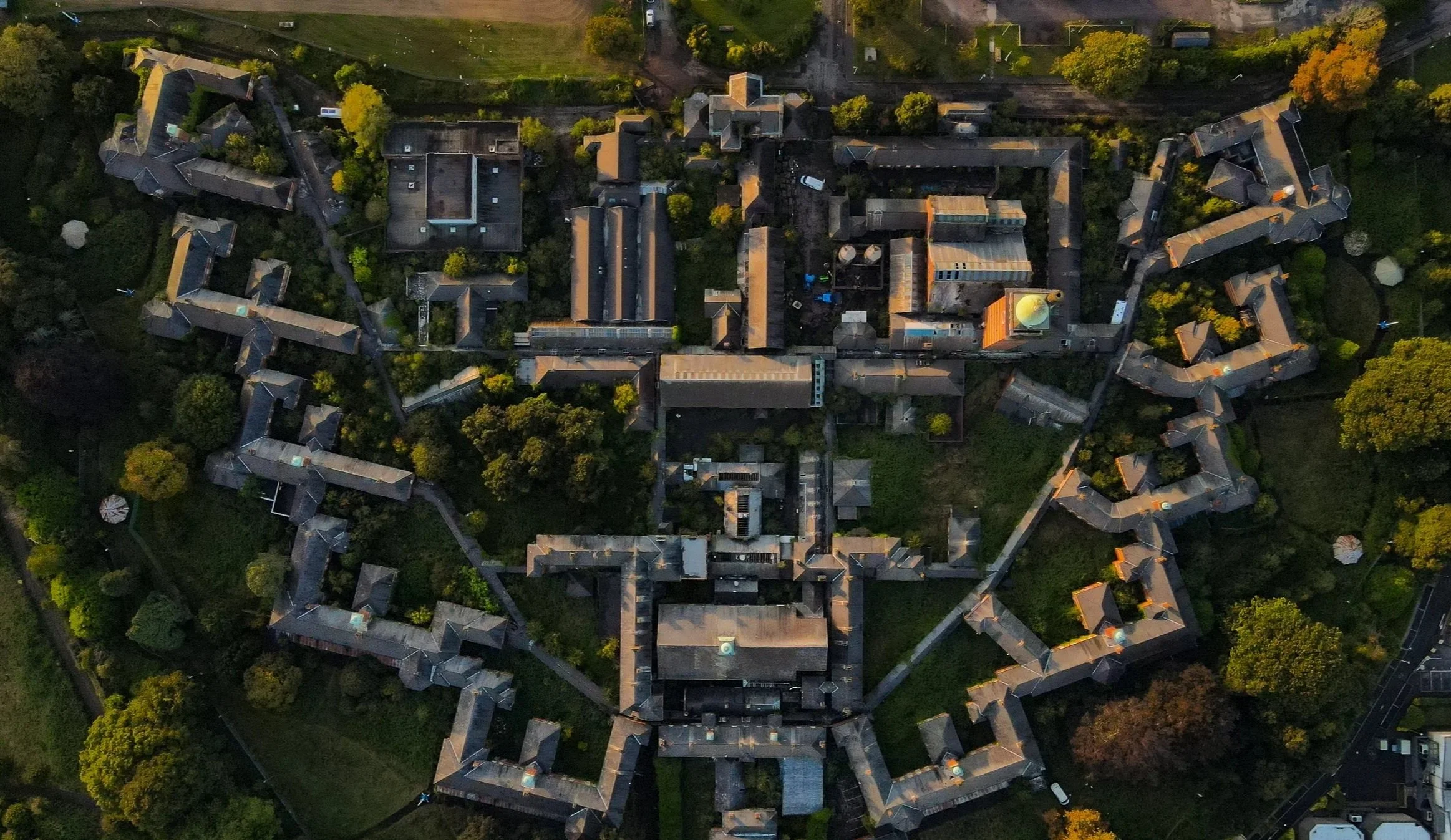
Whitchurch Asylum - Wales
Whitchurch Hospital was a pioneering psychiatric hospital in Wales that operated from 1908 to 2016.

Abergele Hospital Morgue - Wales
This small hospital morgue, decommissioned around 2000, has sat derelict for 25 years.

Broadmoor Lunatic Asylum - Berkshire
Broadmoor Hospital, opened in 1863, was, and still is Britain’s most notorious psychiatric institution.

Cheadle Royal Asylum - Manchester
Cheadle Royal Asylum, founded in 1849 near Manchester, was a private psychiatric hospital for humane mental health care.
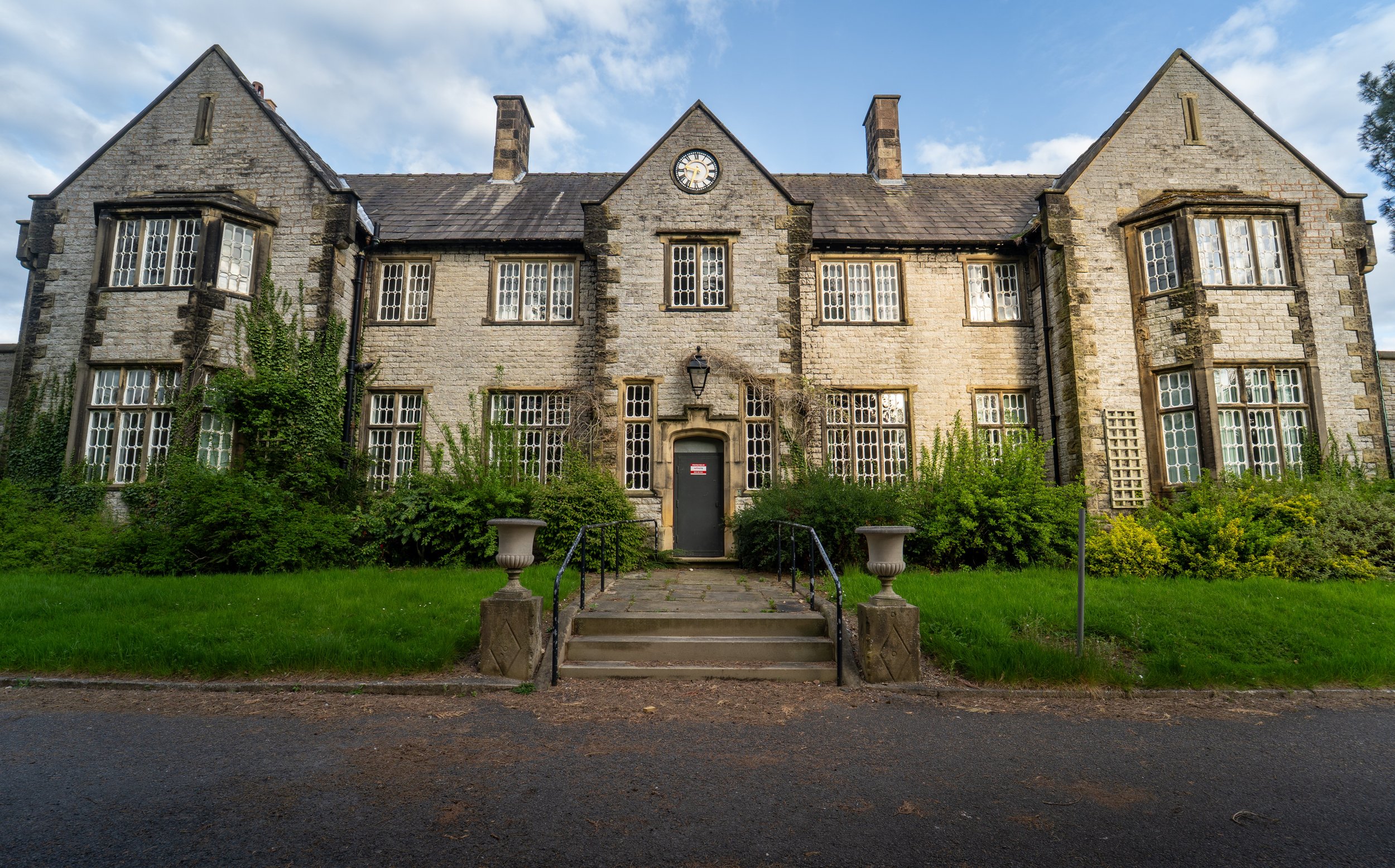
Newholme Hospital - Bakewell
Newholme Hospital began as an 1841 workhouse and, after decades of service, was replaced in 2024 and sold for residential redevelopment.

Argyll and Bute Asylum - Scotland
Lochgilphead's 1863 Argyll and Bute Asylum, Scotland's first district asylum, closed in 2017.


Talgarth Aslyum - Wales
Talgarth Asylum, opened in 1903, closed in 1999 after years of neglect and now lies abandoned.

Denbigh Asylum - Wales
Denbigh Asylum (1844-1848), for Welsh-speaking patients, closed in 1995 and is being redeveloped into homes.